
How an Assisted Living Abuse Lawyer Can Help
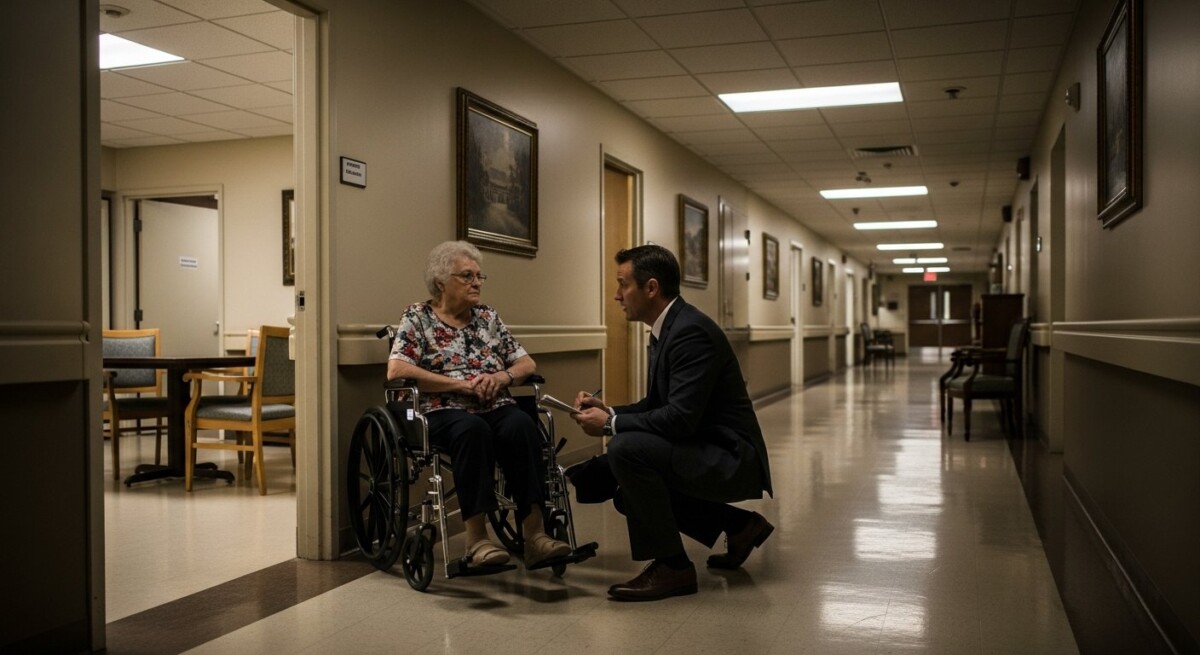
When a family member moves into an assisted living facility, you trust that they will receive proper care, respect, and safety. Unfortunately, neglect and mistreatment occur far too often in these settings. If your loved one has suffered harm due to substandard care, an assisted living abuse lawyer can help you pursue justice and compensation. Understanding the legal options available is the first step toward protecting your family member and holding negligent facilities accountable.
Assisted living abuse takes many forms, from physical violence to emotional manipulation and financial exploitation. Many families do not recognize the warning signs until significant damage has already occurred. A specialized attorney knows how to investigate these cases, gather evidence of neglect, and build a strong claim against the facility or its employees. This article explains what assisted living abuse is, how to identify it, and why legal representation is critical for obtaining fair compensation.
What Is Assisted Living Abuse?
Assisted living abuse refers to any intentional or negligent act by a facility, its staff, or another resident that causes harm to an elderly or disabled resident. Abuse can be physical, emotional, sexual, or financial. Neglect is also a common form of abuse where the facility fails to provide basic necessities such as food, water, hygiene, medication, or supervision. Many states have specific laws that define and penalize elder abuse in assisted living environments.
It is important to distinguish between assisted living abuse and the natural decline of health due to aging. A facility may try to defend itself by claiming that a resident’s injuries or weight loss are the result of an underlying medical condition. An experienced assisted living abuse lawyer can work with medical experts to determine whether the harm was preventable and directly caused by substandard care. This distinction is often the key to winning a case.
Common examples of assisted living abuse include:
- Bedsores (pressure ulcers) caused by failure to turn or reposition a bedridden resident
- Dehydration or malnutrition due to inadequate assistance with eating and drinking
- Unexplained bruises, fractures, or head injuries indicating physical assault or falls
- Emotional abuse such as yelling, threatening, or isolating a resident from visitors
- Financial exploitation including unauthorized use of a resident’s funds or property
Each of these examples represents a serious violation of a resident’s rights. If you suspect any of these signs, it is crucial to document what you see and contact a legal professional who specializes in this area of personal injury law.
Who Can Be Held Liable?
Determining liability in an assisted living abuse case depends on the specific circumstances of the harm. In many cases, multiple parties may share responsibility. The facility itself can be held liable for negligent hiring, inadequate training, understaffing, or failure to follow state regulations. Individual staff members who committed the abuse can also be named in a lawsuit. In some instances, the corporate parent company of a facility chain may be responsible if they enforced policies that led to widespread neglect.
An assisted living abuse lawyer will investigate all potential sources of liability. This may involve reviewing staffing records, surveillance footage, incident reports, and prior complaints filed with state regulatory agencies. The goal is to identify the deepest pockets and the strongest legal theories to maximize the compensation available to your family.
It is worth noting that many assisted living facilities use arbitration agreements in their admission contracts. These agreements may require that disputes be resolved through arbitration rather than in court. A skilled lawyer can evaluate whether such an agreement is enforceable and whether it limits your rights to a jury trial. In some states, arbitration clauses for personal injury claims are restricted or invalid.
Compensation Available in Abuse Cases
Victims of assisted living abuse and their families may be entitled to several types of damages. Economic damages cover tangible losses such as medical bills for treating injuries sustained in the facility, costs of transferring to a safer facility, and any funeral expenses if the abuse led to death. Non-economic damages compensate for pain and suffering, emotional distress, loss of enjoyment of life, and loss of companionship. In cases involving particularly egregious conduct, punitive damages may be awarded to punish the facility and deter future abuse.
Calculating the full value of a claim requires a thorough assessment of both current and future needs. For example, if a resident developed severe bedsores that require ongoing wound care or surgery, those future medical costs must be included. An assisted living abuse lawyer works with life care planners, economists, and medical specialists to ensure no damages are overlooked. This comprehensive approach often results in settlements or verdicts that are significantly higher than what a family could negotiate on their own.
Most personal injury lawyers, including those who handle assisted living abuse cases, work on a contingency fee basis. This means you pay no upfront fees. The lawyer receives a percentage of the settlement or court award only if you win. This arrangement makes legal representation accessible to families who may already be financially strained by the costs of care and medical treatment.
Steps to Take If You Suspect Abuse
If you believe your loved one is being abused or neglected in an assisted living facility, take immediate action to protect their safety and preserve evidence. The following steps can make a significant difference in the outcome of a legal case:
- Remove the resident from immediate danger. If the situation is urgent, call 911 and have your loved one transported to a hospital or to your home. Safety is the top priority.
- Document everything. Take photographs of injuries, unsanitary conditions, or spoiled food. Write down dates, times, and descriptions of any incidents or conversations with staff. Save voicemails, texts, and emails from the facility.
- Request medical records and incident reports. Ask the facility for copies of your loved one’s medical chart, medication logs, and any internal reports related to the incident. Do not rely on the facility to investigate itself.
- Report the abuse to state authorities. Every state has an agency that licenses assisted living facilities and investigates complaints. Filing a report creates an official record and may trigger a regulatory inspection.
- Contact an assisted living abuse lawyer. Legal counsel can advise you on preserving evidence, dealing with facility representatives, and filing a lawsuit before the statute of limitations expires.
Time is critical in these cases. Evidence can be lost, witnesses may forget details, and facilities may attempt to cover up their actions. Consulting a lawyer early in the process gives your family the best chance of building a strong case.
How a Lawyer Investigates and Builds Your Case
An assisted living abuse lawyer conducts a detailed investigation that goes far beyond what a family can do on their own. The attorney will obtain facility records, staff schedules, and training documentation. They may depose employees, review surveillance footage, and interview other residents or their families. Many cases also involve hiring expert witnesses such as geriatricians, nursing experts, and forensic accountants to analyze the evidence and testify about the standard of care.
One of the most powerful tools in these cases is the discovery process. During discovery, the lawyer can demand that the facility produce internal communications, including emails and memos, that may reveal a pattern of neglect or a cost-cutting culture that prioritized profits over resident safety. If the facility has a history of citations or lawsuits, the lawyer can use that information to show that the abuse was foreseeable and preventable.
Negotiation with insurance companies is another area where legal expertise is invaluable. Facilities and their insurers often try to settle claims quickly and cheaply, hoping that families will accept a low offer out of desperation or lack of knowledge. A lawyer knows the true value of your case and will not settle for less than what is fair. If a fair settlement cannot be reached, the lawyer will prepare the case for trial.
Frequently Asked Questions
What is the difference between assisted living abuse and nursing home abuse?
Assisted living facilities provide less intensive medical care than nursing homes. Residents typically need help with daily activities but not round-the-clock skilled nursing. Abuse in assisted living often involves neglect of basic needs or failure to supervise residents who wander. Nursing home abuse more frequently involves medical errors, medication mistakes, and improper use of restraints. The legal principles are similar, but the specific regulations and standards of care differ.
How much does it cost to hire an assisted living abuse lawyer?
Most assisted living abuse lawyers work on a contingency fee basis. You pay nothing upfront. The lawyer receives a percentage of the settlement or court award, typically between 25% and 40%, depending on the complexity of the case and whether it goes to trial. If the case is unsuccessful, you generally owe no legal fees. Always confirm the fee structure in writing before signing an agreement.
How long do I have to file a lawsuit?
The statute of limitations for assisted living abuse cases varies by state. In most states, you have between one and three years from the date of injury or discovery of the abuse. Some states also have special statutes for cases involving elder abuse. Missing the deadline can bar you from recovering any compensation. Contact a lawyer as soon as possible to ensure your claim is filed on time.
Can I sue if my loved one died from abuse?
Yes. In most states, the family of a deceased resident can file a wrongful death lawsuit against the facility. These cases seek compensation for funeral expenses, loss of companionship, and the pain and suffering the resident endured before death. The same evidence of abuse or neglect that supports a personal injury claim also supports a wrongful death claim.
If you have questions about a specific situation, speaking with a qualified assisted living abuse lawyer is the best way to get clear answers tailored to your case.
Taking legal action against an assisted living facility can feel daunting, especially when you are already dealing with the emotional toll of seeing a loved one harmed. However, holding negligent facilities accountable is essential not only for your family but also for preventing future abuse. A skilled assisted living abuse lawyer provides the guidance, resources, and advocacy needed to navigate this complex legal process. If you suspect abuse, do not wait. Contact a legal professional today to discuss your options and take the first step toward justice and compensation.

About Noemi Fletcher
Recent Posts

When to Hire a Property Damage Lawyer for Your Claim
Get help with property damage claims. Call our team at (833) 227-7919 to connect with a skilled property damage lawyer.

HOA Attorney: When to Call for Board Disputes
Resolve HOA conflicts with an experienced attorney. Call (833) 227-7919 for a free consultation today.

When to Hire a Land Use Attorney for Your Property
Find the right land use attorney to navigate zoning, permits, and property disputes. Call (833) 227-7919 for a free referral today.