
When You Need a Trust Administration Lawyer
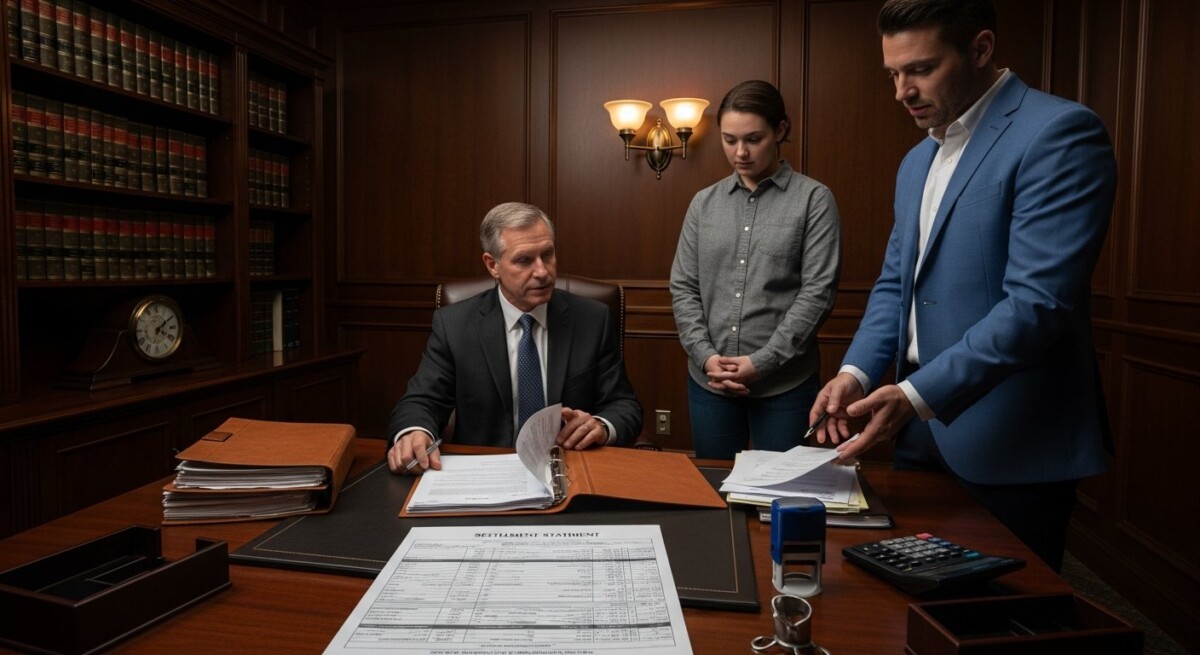
Managing a trust after someone passes away can feel overwhelming, especially when you are grieving and trying to handle legal duties at the same time. A trust administration lawyer helps trustees and beneficiaries navigate this complex process, ensuring that the trust is managed properly and that all legal requirements are met. Without professional guidance, small mistakes can lead to costly disputes, tax penalties, or even personal liability for the trustee.
If you have been named as a trustee or you are a beneficiary who wants to protect your inheritance, understanding what a trust administration lawyer does is the first step toward peace of mind. These attorneys specialize in the rules and procedures that govern trusts, from notifying beneficiaries to filing tax returns and distributing assets. Their role is to prevent problems before they start and to resolve issues quickly when they arise.
Many people assume that a trust will run itself after the grantor passes away. In reality, the trustee must follow a strict set of duties and deadlines. A trust administration lawyer acts as a guide, helping trustees fulfill their responsibilities and avoid common pitfalls. For beneficiaries, an attorney can ensure that the trustee is acting fairly and that the trust terms are followed correctly.
In this article, we will explore when you need a trust administration lawyer, what the process involves, and how to choose the right attorney for your situation. We will also answer common questions and provide practical steps to help you move forward with confidence. For personalized guidance, you can contact our team at (833) 227-7919.
What Is Trust Administration?
Trust administration is the process of managing and distributing a trust’s assets after the grantor (the person who created the trust) has died or become incapacitated. Unlike a will, which goes through probate court, a trust is designed to transfer assets privately and efficiently. However, the trustee still has legal obligations to follow.
The trustee is the person or institution responsible for carrying out the trust’s instructions. This includes locating and protecting assets, paying debts and taxes, and distributing remaining property to the beneficiaries. The trust document itself dictates how these steps must be performed, but state law also imposes certain duties on trustees.
A trust administration lawyer helps trustees understand and comply with these duties. The attorney reviews the trust document, identifies deadlines, and advises on tax filings and beneficiary communications. The lawyer also helps avoid conflicts of interest and ensures that the trustee does not accidentally breach their fiduciary duty.
For beneficiaries, a trust administration lawyer can explain what they are entitled to receive and when. If the trustee is not acting properly, the lawyer can take legal action to protect the beneficiary’s rights. This dual role makes the attorney a key player in keeping the administration process smooth and fair.
When Do You Need a Trust Administration Lawyer?
Not every trust administration requires a lawyer. Small, simple trusts with few assets and cooperative beneficiaries might be handled by the trustee alone. However, many situations call for professional legal help. Here are common scenarios where a trust administration lawyer is valuable:
- Complex trust terms: Some trusts have complicated distribution rules, such as staggered payments, discretionary distributions, or special needs provisions. A lawyer interprets these terms correctly and advises on how to implement them.
- Disputes among beneficiaries: If beneficiaries disagree about the trust’s meaning or the trustee’s actions, an attorney can mediate or represent parties in court. Early legal involvement often prevents costly litigation.
- Tax obligations: Trusts may owe income tax, estate tax, or generation-skipping transfer tax. A lawyer helps prepare and file required returns and advises on strategies to minimize taxes.
- Business or real estate assets: Managing a family business, rental properties, or other complex assets requires special expertise. A lawyer can guide the trustee on valuations, sales, and ongoing operations.
- Trustee concerns about liability: Trustees can be held personally liable for mistakes. A lawyer helps the trustee follow proper procedures and documents decisions to reduce risk.
If any of these situations apply, consulting a trust administration lawyer early in the process can save time, money, and stress. Even if the trust seems straightforward, a brief consultation can confirm that you are on the right track.
The Trust Administration Process: Step by Step
Understanding the general timeline of trust administration helps trustees and beneficiaries know what to expect. While every trust is different, most administrations follow a similar sequence. A trust administration lawyer guides each step to ensure compliance.
Step 1: Review the Trust Document
The first task is to read the entire trust document carefully. The trustee must understand who the beneficiaries are, what assets are held, and how distributions should occur. A lawyer identifies any ambiguous language and clarifies the grantor’s intent.
Step 2: Notify Beneficiaries and Creditors
Most states require the trustee to send written notice to all beneficiaries and sometimes to creditors. The notice informs them that the trust is being administered and gives them a deadline to make claims. Missing this step can void the administration or expose the trustee to liability.
Step 3: Inventory and Protect Assets
The trustee must locate all trust assets, such as bank accounts, real estate, investments, and personal property. These assets need to be appraised and protected from loss or damage. A lawyer helps determine what records are needed and how to handle special assets like collectibles or digital accounts.
Step 4: Pay Debts and Taxes
Before distributing assets, the trustee must pay any valid debts of the grantor and the trust. This includes funeral expenses, final medical bills, and taxes. The trustee may need to file a final income tax return for the grantor and a separate income tax return for the trust. A trust administration lawyer coordinates with accountants to ensure timely filing.
Step 5: Distribute Assets to Beneficiaries
Once debts and taxes are paid, the trustee distributes the remaining assets according to the trust terms. Some trusts require immediate distribution, while others hold assets for years. The trustee must keep detailed records of each distribution and obtain receipts from beneficiaries.
Step 6: Close the Trust
After all assets are distributed, the trustee prepares a final accounting and sends it to beneficiaries. If no objections arise, the trust is closed. A lawyer can help prepare the accounting and handle any disputes that come up.
Throughout this process, a trust administration lawyer provides ongoing advice and documentation. For complex trusts, the attorney may also represent the trustee in court proceedings, such as when a judge must approve a settlement or modify the trust.
Common Mistakes in Trust Administration
Even well-intentioned trustees can make errors. Some of the most frequent mistakes include:
- Failing to communicate with beneficiaries: Keeping beneficiaries in the dark breeds suspicion and conflict. Regular updates and transparency reduce disputes.
- Mixing trust assets with personal assets: Trustees must keep trust property separate from their own. Co-mingling is a breach of fiduciary duty.
- Delaying tax filings: Late tax returns can result in penalties and interest. The trustee may be personally responsible for these costs.
- Making distributions without proper documentation: Without receipts and records, the trustee cannot prove that distributions were made correctly.
- Ignoring state law requirements: Each state has unique rules for trust administration. A lawyer ensures compliance with local statutes.
A trust administration lawyer helps trustees avoid these pitfalls by providing clear guidance and reviewing each step before it is taken. For beneficiaries who suspect mistakes, an attorney can investigate and demand corrective action.
How to Choose the Right Trust Administration Lawyer
Selecting a qualified attorney is critical to a smooth administration. Here are factors to consider when making your choice:
- Experience with trust law: Look for a lawyer who focuses on estate planning and trust administration, not a general practitioner. Ask how many trust administrations they have handled.
- Knowledge of local laws: Trust laws vary by state. An attorney licensed in your state will know the specific requirements for notices, accountings, and court filings.
- Communication style: Trust administration can take months or years. Choose a lawyer who responds promptly and explains complex issues in plain language.
- Fee structure: Some lawyers charge by the hour, while others offer flat fees for standard trust administration. Discuss fees upfront and get a written agreement.
- References and reviews: Ask for references from past clients or check online reviews. A lawyer with a strong reputation is more likely to provide quality service.
When you contact a potential trust administration lawyer, prepare a list of questions about the trust’s assets, beneficiaries, and any known disputes. The initial consultation is an opportunity to assess whether the lawyer is a good fit for your needs.
Frequently Asked Questions
What is the difference between a trust administration lawyer and an estate planning lawyer? An estate planning lawyer helps you create a trust and plan for the future. A trust administration lawyer helps after the grantor dies, guiding the trustee through the process of managing and distributing assets.
How much does a trust administration lawyer cost? Costs vary widely based on complexity and location. Hourly rates typically range from $250 to $600. Some attorneys offer flat fees for simple administrations. Always ask for a fee estimate before hiring.
Can a beneficiary hire a trust administration lawyer? Yes. Beneficiaries often hire their own lawyer to review the trustee’s actions, ask questions, and protect their inheritance. The trustee may also have a separate lawyer to advise on fiduciary duties.
Does a trust avoid probate entirely? A properly funded trust avoids probate for assets held in the trust. However, assets not transferred to the trust may still go through probate. A lawyer can help ensure all assets are titled correctly.
What happens if the trustee refuses to act? Beneficiaries can petition the court to remove a trustee who is unwilling or unable to serve. A trust administration lawyer can file the necessary paperwork and represent the beneficiaries in court.
How long does trust administration take? Simple trusts may be settled in six to twelve months. Complex trusts with business assets, tax issues, or disputes can take several years. The trustee’s diligence and the lawyer’s guidance affect the timeline.
Final Thoughts on Trust Administration
Trust administration does not have to be a burden. With the right legal support, trustees can fulfill their duties confidently, and beneficiaries can receive what they are owed without unnecessary delay. A trust administration lawyer brings expertise, objectivity, and procedural knowledge that protects everyone involved.
If you are facing trust administration as a trustee or beneficiary, take the first step by consulting a qualified attorney. Early guidance prevents small issues from becoming major problems. For a free case evaluation and to speak with experienced legal professionals, call (833) 227-7919 or visit our website to submit your details. Our team at LawyerCaseReview can connect you with a trust administration lawyer who understands your needs and will fight for your rights.
Remember, the goal of trust administration is to honor the grantor’s wishes and provide for the people they loved. A skilled lawyer helps make that goal a reality.

About Noemi Fletcher
Recent Posts

What Does a Conservatorship Lawyer Do?
Learn about conservatorship lawyers and how our free referral service at (833) 227-7919 can connect you with the right attorney.

When You Need a Probate Litigation Lawyer
Protect your inheritance with a probate litigation lawyer. Call (833) 227-7919 for a free case evaluation and legal referral today.

When You Need a Will Dispute Lawyer
Protect your inheritance rights. Call a will dispute lawyer at (833) 227-7919 for a case evaluation today.