
Weapons Charges Lawyer: Your Defense Strategy
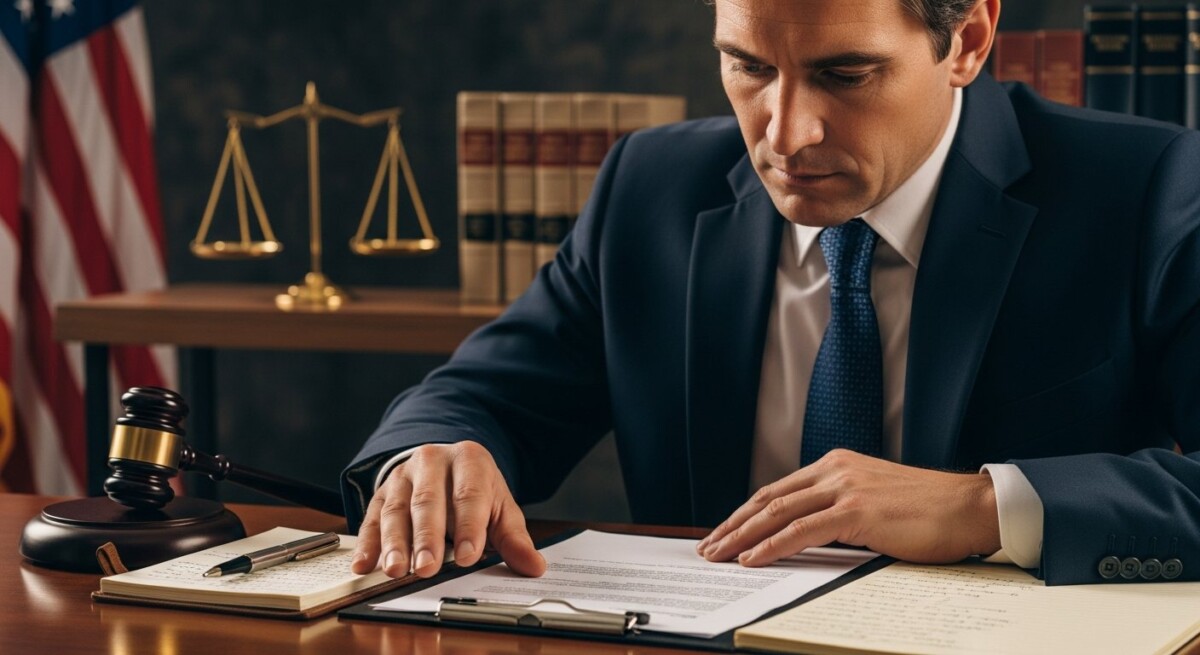
Facing a weapons charge can feel like your future is suddenly on the line, and the legal system can seem overwhelming. Whether the accusation involves an unlicensed firearm, possession of a prohibited weapon, or using a weapon during another offense, the consequences can include jail time, heavy fines, and a permanent criminal record. You need a clear plan and strong representation. A skilled weapons charges lawyer can evaluate every detail of your arrest, challenge unlawful searches, and negotiate for reduced penalties or even dismissal. This article walks through what to expect, how to build a defense, and how to choose the right attorney for your situation.
Understanding the Scope of Weapons Charges
Weapons charges are not a single, uniform offense. They range from misdemeanors to serious felonies, and the exact classification depends on state law, the type of weapon, and the circumstances of the arrest. Common examples include carrying a concealed weapon without a permit, possessing a firearm as a convicted felon, having a weapon on school property, or brandishing a weapon in a threatening manner. Each of these carries different penalties, and a weapons charges lawyer will need to know the specific statutes in your jurisdiction to build an effective defense.
Federal law also plays a role in some cases, especially when the weapon crossed state lines or is linked to a drug trafficking or violent crime. When both state and federal charges are possible, the stakes rise significantly because federal sentencing guidelines are often stricter. An experienced attorney can help determine which court will handle your case,and more importantly, whether it is possible to keep the case in a more favorable jurisdiction.
The evidence in weapons cases often comes from police stops, searches, or witness statements. A lawyer will scrutinize how the weapon was discovered. If the police violated your Fourth Amendment rights during a search or seizure, the evidence may be suppressed, which can lead to a dismissal. This is why the timing of hiring a lawyer matters: the sooner you have representation, the sooner they can protect your rights and preserve key evidence.
Immediate Steps After a Weapons Charge
If you are arrested or learn that you are under investigation, your actions in the first few days can shape the outcome of your case. First, remain silent and do not answer questions without your lawyer present. Anything you say can be used against you, and even casual remarks can be misinterpreted. Second, document everything you remember about the arrest, including the location, the officers involved, and what was said or done. This information helps your attorney spot procedural errors.
Next, contact a weapons charges lawyer as soon as possible. Many attorneys offer free initial consultations, and you can discuss your case confidentially. During this meeting, bring any paperwork you received, such as the complaint or bail documents, and be honest about the facts. Your lawyer needs the full picture to identify weaknesses in the prosecution’s case. Finally, follow all conditions of your release, such as staying away from weapons or checking in with a pretrial officer. Violating these conditions can lead to additional charges or revocation of bail.
One of the most important steps is to understand your rights regarding bail and pretrial release. A lawyer can argue for lower bail or release on your own recognizance, especially if you have strong ties to the community and no prior record. For more serious offenses, the court may impose a detention hearing, where your attorney can present evidence that you are not a danger to the community. This stage is critical because being in jail while awaiting trial makes it much harder to prepare your defense.
Common Defenses to Weapons Charges
Each weapons case is unique, but several defenses recur in practice. The most effective strategy depends on the facts and the law in your state. A weapons charges lawyer may pursue one or more of the following:
- Unlawful search and seizure: If police found the weapon without a valid warrant, probable cause, or consent, the evidence may be thrown out.
- Lack of knowledge: You did not know the weapon was in your car or home, or you did not know it was illegal.
- Self-defense or necessity: You possessed the weapon to protect yourself from an immediate threat, and the use was reasonable.
- Defective charges: The complaint fails to allege all elements of the offense, such as the type of weapon or intent.
- Entrapment: Law enforcement induced you to commit the crime when you would not have otherwise.
Each defense requires specific evidence and legal arguments. For example, proving an unlawful search often involves filing a motion to suppress, which requires a hearing where the prosecution must justify the search. A lawyer who knows the local judges and prosecutors can navigate these motions effectively. In some cases, a defense may not lead to a full acquittal but can result in a plea bargain to a lesser charge, such as a disorderly conduct violation, which avoids the stigma of a weapons conviction.
How a Weapons Charges Lawyer Builds Your Case
A skilled attorney does more than argue in court. They conduct an independent investigation, interview witnesses, and review police reports for inconsistencies. They may hire an expert to test the weapon or challenge the prosecution’s evidence. For instance, if the charge involves a firearm that was allegedly modified to be fully automatic, an expert can determine whether it actually functions as described. These technical details can be the difference between a conviction and a dismissal.
Your lawyer will also assess the potential penalties you face and explain the realistic outcomes. In many jurisdictions, a first-time offender may qualify for a diversion program or deferred adjudication, which can lead to a dismissal after completing probation and community service. An attorney can negotiate with the prosecutor for such an alternative, especially if the case involves a small amount of a weapon or a lack of intent to harm.
Another critical role is protecting your broader rights. A weapons conviction can affect your ability to own a firearm in the future, your employment prospects, and even your housing options. A lawyer will fight to minimize these collateral consequences, perhaps by arguing for a conviction on a lesser offense that does not trigger a federal firearm prohibition. They can also advise you on the expungement process if you are eligible to clear your record after a period of time.
Choosing the Right Weapons Charges Lawyer
Not all criminal defense attorneys have the same level of experience with weapons cases. When you search for representation, look for a lawyer who regularly handles gun crimes and has a track record of successful outcomes. Ask about their experience with motions to suppress, their familiarity with local prosecutors, and their willingness to take a case to trial if needed. A lawyer who is only comfortable plea bargaining may not push for the best result.
During the consultation, pay attention to how the attorney communicates. They should listen more than they talk, ask detailed questions about the facts, and give you an honest assessment of your chances. Be wary of promises of a guaranteed dismissal or a specific sentence, as ethical lawyers cannot guarantee outcomes. Instead, a good attorney will outline a clear strategy and explain the steps involved. Also, clarify the fee structure upfront. Many lawyers charge a flat fee for a weapons case, while others bill hourly. Understanding the costs helps you plan and ensures there are no surprises.
You can use resources like an attorney referral service to find qualified lawyers in your area. LawyerCaseReview, for example, connects individuals with experienced defense attorneys who handle weapons charges. Their platform allows you to submit your case details and receive a review from a partnering law firm, which can help you compare options and choose a lawyer who fits your needs. This service is especially useful if you are unfamiliar with the legal landscape in your state.
Potential Outcomes and Sentencing
Weapons charges can lead to a variety of outcomes, from dismissal to lengthy prison sentences. The most favorable outcomes often depend on early intervention. If your attorney can get the charges reduced before trial, you may face shorter probation, community service, or anger management classes instead of jail. For more serious charges, such as possession of a firearm by a felon, the penalties are severe, and the prosecution may seek a mandatory minimum sentence. In these cases, a lawyer may focus on negotiating a plea that avoids the minimum or on challenging the prior conviction that triggers the enhancement.
Sentencing also depends on aggravating factors. Using a weapon during a crime, possessing a weapon near a school, or having a large quantity of ammunition can increase penalties. Mitigating factors, such as a clean record, a stable job, or family responsibilities, can work in your favor. A good lawyer will present these factors to the judge and prosecutor to argue for leniency. They may also request a presentence investigation report that highlights your positive contributions to the community.
If your case goes to trial, the prosecution must prove every element beyond a reasonable doubt. Your attorney will challenge the credibility of witnesses, point out flaws in the evidence chain, and argue that the weapon was never in your possession or that you lacked the required intent. A not guilty verdict is possible, but it requires careful preparation and a compelling narrative. Even if a conviction seems likely, a trial can sometimes pressure the prosecution to offer a better plea deal before the jury deliberates.
Interplay with Other Criminal Charges
Weapons charges rarely occur in isolation. They often accompany allegations of drug possession, assault, domestic violence, or robbery. When multiple charges are pending, the overall strategy becomes more complex because the evidence and testimony may overlap. A weapons charges lawyer will coordinate with any other attorneys you have to ensure a unified defense. For example, if the weapon was found during a drug arrest, the legality of the initial stop affects both cases. Suppressing the weapon evidence may also weaken the drug charges.
In some situations, a weapons charge can be used as a bargaining chip in a larger case. A prosecutor may offer to drop the weapons charge if you plead guilty to a lesser offense in another matter. Your lawyer will weigh the risks and benefits of such an offer, explaining the long-term consequences of each option. This is where experience in both criminal defense and plea negotiation becomes invaluable. If you are also facing a felony charge that carries a mandatory prison term, your attorney may argue that the weapons charge should run concurrently rather than consecutively, which can reduce your total time in custody.
For those who have a prior conviction, a new weapons charge can trigger enhanced penalties under state or federal law. In such cases, your lawyer may challenge the validity of the prior conviction or argue that it does not qualify as a predicate offense. This requires a deep knowledge of sentencing statutes and case law. An attorney who specializes in weapons charges will be up to date on these legal nuances, which can make a significant difference in the outcome.
How LawyerCaseReview Can Help
Navigating a weapons charge is stressful, but you do not have to do it alone. LawyerCaseReview provides a straightforward way to find a qualified weapons charges lawyer who can evaluate your case and explain your options. Their network includes attorneys with experience in criminal defense, and they understand the urgency of your situation. By submitting your case details online, you can receive a confidential review and connect with a lawyer who is ready to fight for your rights. This service is designed to save you time and give you peace of mind, knowing that you are taking a proactive step toward protecting your future.
When you use a referral service, you also gain access to reviews and ratings from other clients. This peer-influenced selection process helps you identify attorneys who have a history of success in weapons cases. Whether you are facing a first-time misdemeanor or a serious felony, the right lawyer can make a meaningful difference. Remember that the sooner you act, the more options you have. Evidence can disappear, witnesses can forget, and legal deadlines can pass. Reaching out today could be the most important decision you make.
Frequently Asked Questions
What should I do if I am stopped by police and asked about a weapon?
You should remain calm, do not consent to a search, and politely state that you wish to speak with your lawyer. You do not have to answer questions about weapons without legal counsel present. If the police have a warrant, they may search anyway, but your lawyer can later challenge the validity of the warrant or the scope of the search.
Can a weapons charge be expunged from my record?
Expungement laws vary by state. Some allow for the sealing or expungement of certain misdemeanor weapons charges after a waiting period and if you complete all sentencing requirements. Felony weapons convictions are rarely eligible, but a lawyer can advise you on the specific rules in your jurisdiction and whether you qualify.
Will I lose my right to own a gun if I am convicted?
Yes, a weapons conviction can result in losing your firearm rights, either temporarily or permanently. Federal law prohibits gun ownership for anyone convicted of a felony, and some states impose similar restrictions for domestic violence or certain misdemeanors. A lawyer can sometimes negotiate a plea to a non-firearm offense to avoid this consequence.
How long do I have to hire a lawyer?
You should hire a lawyer as soon as possible, ideally before you speak to police or appear in court. Early representation allows your attorney to preserve evidence, file motions, and negotiate with prosecutors before deadlines pass. Waiting too long can limit your options and weaken your defense.
Facing a weapons charge is a serious matter, but it is not the end of the road. With the right legal strategy and a dedicated weapons charges lawyer, you can fight for a better outcome and protect your rights. If you or someone you know needs help, consider reaching out to a referral service to find an experienced attorney today. The sooner you take action, the sooner you can start building your defense and moving forward.

About Corbett Hayes
Recent Posts

Cybercrime Lawyer: When to Hire One and What They Do
Facing cybercrime? A cybercrime lawyer can help you recover and protect your rights. Call (833) 227-7919 to get connected with a qualified attorney.
Fraud Defense Lawyer: Your Rights and Legal Options
Facing fraud charges? A fraud defense lawyer can protect your rights. Call (833) 227-7919 to connect with experienced attorneys today.

Identity Theft Lawyer: When to Hire One and How They Help
Identity theft can wreck your credit and finances. An identity theft lawyer helps you recover. Call us at (833) 227-7919 for a free case review.