
Bicycle Accident Liability and Compensation Claims
Bicycle accident liability and compensation claims explained. Call 8338648408 for a free, confidential case review and protect your right to recovery.

By Seraphina Locke
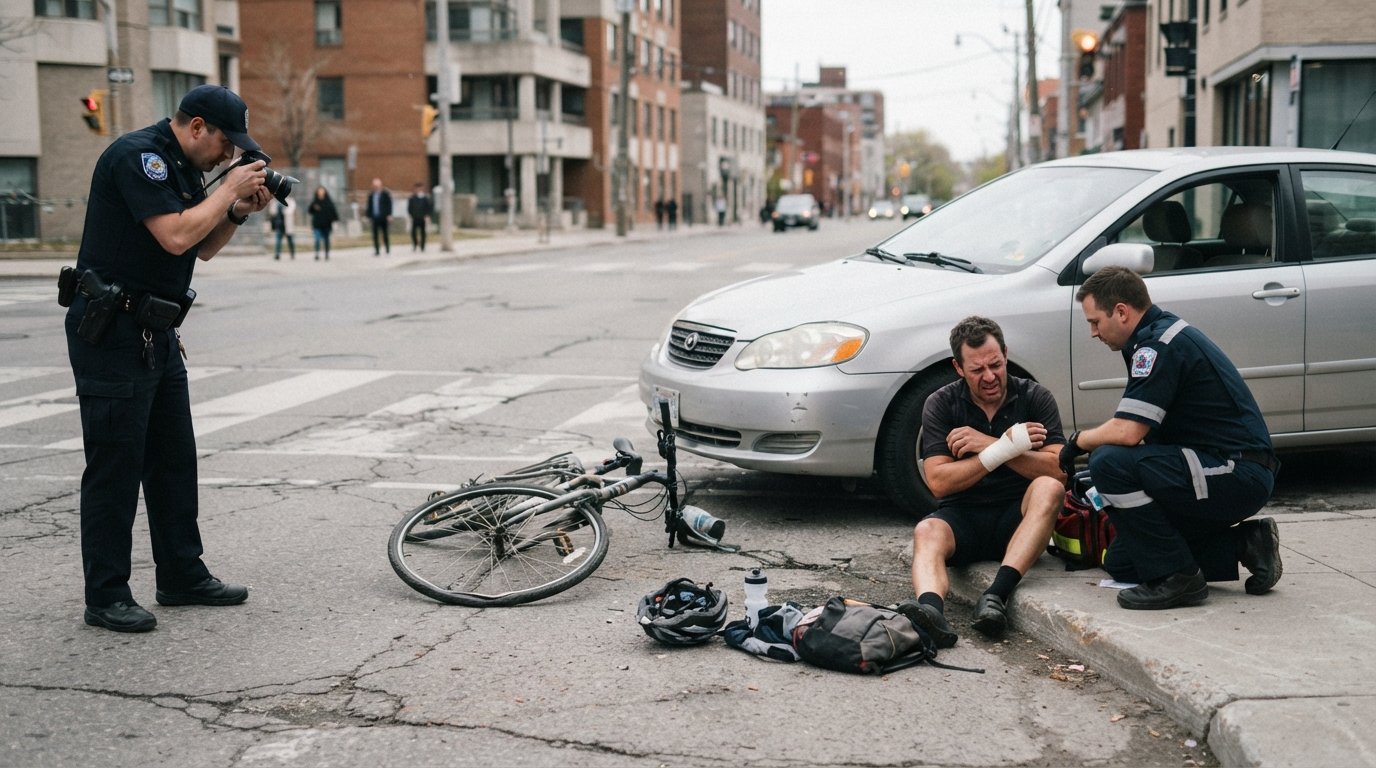
A bicycle crash can upend your life in a single moment. One second you are riding through an intersection or along a familiar street, and the next you are on the pavement dealing with a fractured wrist, a totaled bike, and an insurance adjuster who is already looking for ways to minimize your claim. The physical pain is obvious, but the financial and legal confusion that follows can be just as overwhelming. Who actually pays for your injuries? What happens if the driver blames you for the crash? How do you prove what your case is worth?
Understanding bicycle accident liability and compensation claims is the first step toward protecting yourself. Liability determines who is legally responsible for the crash, while compensation covers the losses that flow from it, including medical bills, lost wages, pain and suffering, and property damage. Getting these two concepts right often means the difference between a fair recovery and a settlement that leaves you covering costs out of pocket for years.
This guide walks through how fault is established in bicycle crashes, the evidence that matters most, the damages you can pursue, and the practical steps that strengthen a claim from day one. It is educational information, not legal advice, and speaking with a qualified attorney about your specific facts is always the smartest move.
How Liability Is Determined After a Bicycle Crash
Liability in a bicycle accident is not automatic, even when a car clearly struck a cyclist. The law looks at who failed to meet a legal duty of care and whether that failure caused the crash and the resulting injuries. Drivers owe cyclists a duty to operate their vehicles safely: obeying speed limits, yielding the right of way, checking blind spots before turning, and giving bicycles enough space when passing. Cyclists, in turn, must follow traffic laws that apply to them, such as riding with traffic, obeying signals, and using lights at night.
When both parties share some responsibility, the outcome depends heavily on the state's negligence rules. Some states follow pure comparative negligence, where a cyclist can still recover damages even if they were mostly at fault, though the award is reduced by their percentage of fault. Other states follow modified comparative negligence, which bars recovery once the cyclist's share of fault reaches a certain threshold, often 50 or 51 percent. A handful of states still apply contributory negligence, an unforgiving rule that can eliminate recovery entirely if the cyclist is found even slightly at fault. Because these rules vary so much, the same crash can produce very different results depending on where it happened. For a closer look at how fault gets divided in shared-responsibility cases, this breakdown of how liability is split in comparative negligence systems is a useful reference point.
Beyond the drivers and cyclists themselves, other parties can share liability. A municipality that neglects road maintenance, leaving potholes or broken pavement that causes a crash, may be responsible. A vehicle manufacturer that sold a bike with a defective brake or frame could be liable under product liability law. Even a trucking company whose driver was pressured to meet an unrealistic schedule may bear responsibility for a collision. Identifying every potentially liable party matters because it expands the pool of insurance coverage available to pay your claim.
The Evidence That Decides Bicycle Accident Claims
Bicycle cases are fact-intensive, and the side with better evidence usually wins the liability fight. Insurance adjusters move quickly to gather statements and build a narrative that shifts blame onto the cyclist, so you should preserve evidence just as fast. Photographs of the scene, the damage to the vehicle, your injuries, and the road conditions are foundational. Get contact information from witnesses before they leave the scene, because their accounts often carry more weight than either driver's version of events.
Modern tools have transformed bicycle crash investigations. Many cyclists ride with helmet cameras or handlebar-mounted cameras that capture the entire incident. Traffic and doorbell cameras on nearby homes and businesses may also have recorded the crash. Police reports, though sometimes incomplete, provide an official record that includes the officer's observations about fault and any citations issued. Medical records tie your injuries directly to the crash and document their severity, which matters both for liability and for valuation.
An experienced attorney can take this raw material further by hiring accident reconstruction specialists, reviewing electronic data from the vehicle, and subpoenaing camera footage before it is overwritten. That kind of investigation is difficult for an injured cyclist to manage alone while recovering. This is where a service like FreeLegalCaseReview can help: it connects injured people with qualified personal injury attorneys through free, confidential case evaluations, so the evidence-gathering process starts before critical footage and witness memories disappear.
Compensation You Can Pursue After a Bicycle Accident
Compensation in a bicycle accident claim falls into two broad categories: economic damages, which are measurable out-of-pocket losses, and non-economic damages, which compensate for the human cost of the injury. Economic damages include emergency room bills, surgery, physical therapy, prescription medications, future medical care, lost income, reduced earning capacity, and repair or replacement of your bicycle and gear. Keep every receipt, bill, and pay stub; documentation is what turns a claimed loss into a paid one.
Non-economic damages address pain, suffering, emotional distress, scarring, and loss of enjoyment of life. These are harder to quantify, which is exactly why insurers fight them hardest. In the most catastrophic cases, where a cyclist suffers a traumatic brain injury, spinal cord damage, or permanent disability, the lifetime cost of care can run into the millions, and the claim must account for decades of future needs rather than just the bills already incurred.
A few factors consistently drive the value of a bicycle accident claim upward or downward. Reviewing them early helps you set realistic expectations:
- Severity and permanence of injuries: Fractures, brain injuries, and disabilities support larger awards than soft tissue strains that resolve in weeks.
- Clear liability: A driver who ran a red light or was cited for the crash makes the fault question straightforward, which strengthens negotiating leverage.
- Quality of documentation: Consistent medical treatment, preserved evidence, and detailed wage records make it harder for insurers to dispute your losses.
- Insurance coverage available: The at-fault driver's policy limits, your own uninsured or underinsured motorist coverage, and any commercial policies cap what can realistically be recovered.
- Comparative fault percentage: Even a small share of fault assigned to you reduces the final award in most states.
Understanding which of these factors apply to your case is essential before you accept any settlement offer. An insurer's first offer is rarely its best, and once you sign a release, you cannot reopen the claim if your injuries turn out to be worse than expected.
Steps to Take After a Bicycle Accident
What you do in the hours and days after a crash often shapes the entire claim. The sequence below reflects the standard guidance personal injury attorneys give to cyclists, and following it protects both your health and your legal position.
- Call 911 and get medical attention: A police report creates an official record, and prompt medical care documents that your injuries are crash-related. Some serious injuries, including concussions, do not show symptoms immediately.
- Exchange information and gather evidence: Collect the driver's name, insurance details, and license plate. Photograph everything, and get names and phone numbers from witnesses.
- Report the crash and preserve your bike: Notify your own insurer as required by your policy, and keep the damaged bicycle and helmet instead of repairing or discarding them.
- Document your losses: Save medical bills, repair estimates, and proof of lost wages. Keep a journal describing your pain, treatment, and how the injury affects daily life.
- Consult an attorney before speaking to the other driver's insurer: Adjusters may ask for a recorded statement that can later be used to minimize or deny your claim.
That last step deserves emphasis. Insurance companies employ trained adjusters whose job is to protect the company's bottom line, and they may contact you while you are still recovering and vulnerable. Having legal representation early levels the playing field, ensures deadlines for filing suit are met, and gives you an advocate who understands how bicycle accident liability and compensation claims are actually valued.
Common Mistakes That Weaken a Bicycle Accident Claim
Even strong cases can be undermined by avoidable errors. One of the most damaging is delaying medical treatment, which gives insurers room to argue that your injuries were minor or caused by something other than the crash. Another is posting about the accident or your recovery on social media; defense attorneys routinely review public posts for statements or photos that contradict claimed limitations.
Accepting a quick settlement is another frequent misstep. Early offers typically cover only the bills you have already incurred, ignoring future medical needs, lost earning capacity, and pain and suffering. Once you cash the check and sign the release, the case is closed permanently. Similarly, admitting fault at the scene, even casually saying "I'm sorry," can be used against you later, because fault is a legal determination, not a roadside apology.
Finally, trying to handle a serious injury claim alone against a well-funded insurer is a gamble. Bicycle accident cases involve complex questions of negligence law, insurance coverage, and damage valuation, and the stakes are high when injuries are catastrophic. A free case evaluation costs nothing and gives you a clear picture of what your claim may be worth. LawyerCaseReview is not a law firm and does not provide legal advice, but its network of participating attorneys offers confidential case reviews for people injured in bicycle crashes and other accidents across the United States.
If you or someone you love was hurt while riding, do not wait for the insurance company to do the right thing on its own. Preserve the evidence, protect your health, and get a professional assessment of your bicycle accident liability and compensation claims before deadlines pass. The sooner an experienced attorney reviews your case, the stronger your position will be when it comes time to negotiate or file suit.