
Dram Shop Law: Who Pays After an Alcohol-Related Accident
Learn how dram shop law alcohol-related accident liability can help you recover damages from bars that overserve patrons, beyond the driver's insurance.

By Corbett Hayes
When a drunk driver causes a crash, the injured victim often assumes the driver alone is responsible. But in many states, another party may share the blame: the bar, restaurant, or social host that served the alcohol. This area of law, known as dram shop law alcohol-related accident liability, holds establishments accountable for serving visibly intoxicated patrons or minors. Understanding these rules can open the door to additional compensation, especially when the driver has limited insurance or assets. This article explains how dram shop laws work, who can be sued, what you must prove, and how to protect your right to recovery after a devastating accident.
What Is Dram Shop Law?
Dram shop laws create a legal pathway to hold commercial alcohol sellers liable for injuries caused by an intoxicated customer. The term "dram shop" dates back to 18th century England, where a "dram" was a small measure of spirits sold in taverns. Today, the phrase applies to any business licensed to sell alcohol, including bars, restaurants, breweries, stadiums, and liquor stores. These laws exist because serving alcohol is a regulated privilege, not a right, and sellers have a duty to refuse service to someone who is already visibly drunk or underage.
Not every state has dram shop statutes, and the ones that do vary widely in their scope and limitations. Some states impose strict liability, meaning the establishment is automatically responsible if it served a minor. Others require proof that the server knew or should have known the customer was intoxicated. A few states, like Texas and Nevada, have dram shop laws but also cap damages or require a criminal conviction of the driver before a civil claim can proceed. Because of these differences, the specific facts of your accident and the state where it occurred will determine whether you have a viable claim against the seller.
How Dram Shop Claims Work After a Crash
Imagine you are stopped at a red light and a pickup truck slams into your car at 50 miles per hour. The driver, who had three beers at a local sports bar, is arrested for DUI. Your medical bills exceed $100,000, and your car is totaled. The driver has only the minimum state insurance coverage, which is quickly exhausted. Without a dram shop claim, you might be left paying the remaining costs out of pocket.
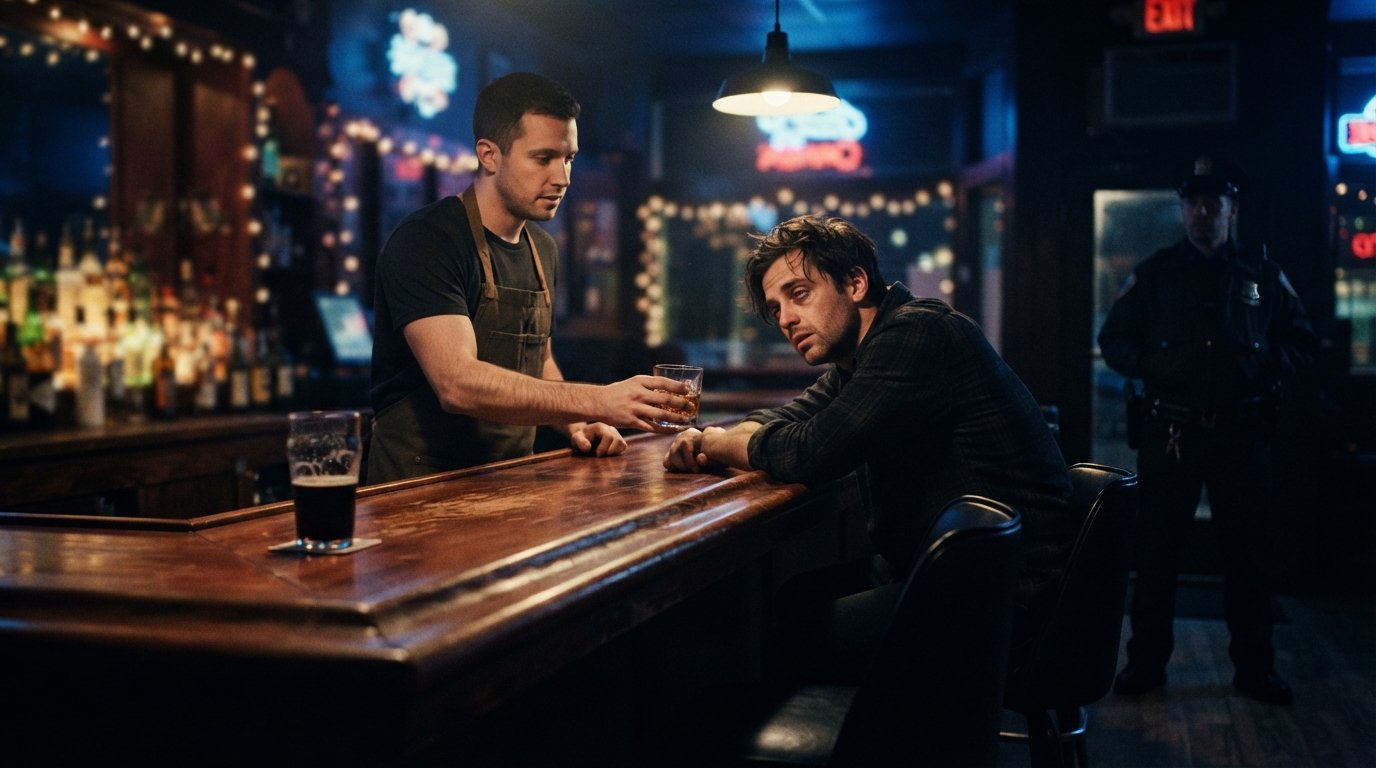
In this scenario, the sports bar could be liable under dram shop law if it continued serving the driver after he showed clear signs of intoxication, such as slurred speech, stumbling, or loud behavior. Your attorney would need to obtain the bar's surveillance footage, interview witnesses, and review the driver's receipt to show how much alcohol was served. If the evidence supports a claim, the bar's commercial liability insurance may provide a source of recovery far beyond the driver's auto policy limit.
Key Elements You Must Prove
To succeed in a dram shop case, your legal team must establish four critical elements. First, the defendant must be a commercial seller of alcohol, not a private individual. Second, the seller must have served alcohol to someone who was visibly intoxicated or under 21. Third, that service must have been a substantial factor in causing the accident. Fourth, you must have suffered actual damages, such as medical expenses, lost wages, or pain and suffering. Each element requires specific evidence, and the burden of proof rests on you, the plaintiff.
Proving visible intoxication is often the most challenging part. Many states require testimony from the bartender or server about the customer's behavior, or video footage showing stumbling or aggressive conduct. If the driver drank at multiple establishments before the crash, your lawyer may need to trace the entire evening to determine which stop pushed the driver over the legal limit. This is why immediate investigation is crucial, as memories fade and surveillance footage can be deleted or overwritten.
Who Can Be Held Liable Under Dram Shop Laws?
Dram shop liability typically attaches to licensed alcohol vendors, but the exact list of covered entities varies by state. In most jurisdictions, you can pursue claims against bars, taverns, restaurants, clubs, and liquor stores. Some states also include caterers, hotels, and event venues that serve alcohol with a temporary license. Stadiums and concert arenas that overserve fans during a game may also face liability if those fans later cause a crash.
It is important to note that social hosts, such as a friend who throws a house party, are usually not covered by dram shop statutes. Instead, they may be held liable under separate social host liability laws, which exist in only about a dozen states and often apply only to underage drinkers. If you were injured by a drunk guest at a private party, your legal options may be more limited, so consult an attorney who understands your state's specific rules.
Comparative Fault and Its Impact on Your Claim
Even if you have a strong dram shop case, your recovery may be reduced if you share any blame for the accident. For example, if you were a passenger in the drunk driver's car and knew he had been drinking, the bar might argue that you assumed the risk of injury. Similarly, if you were speeding at the time of the crash, a jury could assign you a percentage of fault. Under comparative negligence rules, your final award would be reduced by your percentage of fault.
Some states also apply comparative fault to the intoxicated driver when the injured victim is a passenger. If the driver is found to be 70 percent at fault and the bar is 30 percent at fault, you can still recover the full amount from the bar, but the bar may later seek contribution from the driver. This complexity underscores the need for an experienced personal injury attorney who can navigate these rules and maximize your recovery.
Statutes of Limitations and Notice Requirements
Time is not on your side after a dram shop accident. Most states impose a statute of limitations of one to three years for filing a personal injury lawsuit, but some have special deadlines for dram shop claims. For example, Illinois requires dram shop claims to be filed within one year of the accident, while the general personal injury limit is two years. Missing this deadline means your case is permanently barred, regardless of its merits.
In addition, several states require you to provide written notice to the establishment within a short window after the accident, sometimes as little as 60 days. This notice must include the date, time, and location of the incident, as well as the names of the parties involved. Failure to comply with these notice requirements can destroy your claim even if you file within the statute of limitations. An attorney can ensure all necessary paperwork is completed correctly and on time.
Damages Available in Dram Shop Cases
Successful dram shop claims can recover a wide range of damages designed to make you whole after the accident. These may include economic damages like medical bills, rehabilitation costs, lost income, and future earning capacity. You can also seek non-economic damages for physical pain, emotional distress, and loss of enjoyment of life. In cases involving the death of a loved one, surviving family members may pursue wrongful death damages for funeral expenses, loss of companionship, and loss of financial support.
Punitive damages are rarely awarded in dram shop cases, but they may be available if the establishment's conduct was particularly reckless, such as serving alcohol to an obviously intoxicated minor or continuing to serve a patron after multiple complaints. These damages are designed to punish the wrongdoer and deter similar conduct in the future. However, some states cap or prohibit punitive damages in dram shop claims, so your attorney will need to evaluate your state's laws.
Steps to Take After an Alcohol-Related Accident
If you suspect a drunk driver caused your injuries, taking the right steps immediately can strengthen your potential dram shop claim. Here are the actions that matter most:
- Call 911 and request a police report, which will document the driver's sobriety and any admission of where they had been drinking.
- Take photos of the crash scene, your injuries, and any visible damage, as well as the driver's appearance and behavior.
- Ask witnesses for their contact information and whether they saw the driver at a bar or restaurant before the crash.
- Preserve all records, including medical bills, prescription receipts, and pay stubs showing lost wages.
- Contact a personal injury attorney who handles dram shop cases before speaking to any insurance adjuster.
These steps are not just about building a case, they are about protecting your rights. Evidence can disappear quickly, and witnesses may become hard to locate. A skilled lawyer can issue subpoenas for bar records, obtain surveillance footage, and work with accident reconstruction experts to prove how the intoxication led to the crash.
How a Dram Shop Lawsuit Intersects with Your Personal Injury Claim
Filing a dram shop claim does not replace your personal injury claim against the drunk driver; it supplements it. You can pursue both simultaneously, often in the same lawsuit. The driver's auto insurance may cover your initial medical bills and property damage, but when that coverage is insufficient, the dram shop claim provides an additional source of compensation. Your attorney will coordinate both claims to ensure you receive the maximum total recovery.
This coordination is particularly important in cases of catastrophic injury, where medical costs can reach millions of dollars. In our guide on hiring a product liability lawyer for defective products, we explain how parallel claims can maximize compensation, and the same principle applies here. The bar's insurance policy, often worth $1 million or more, can be the difference between financial ruin and a secure future after an accident.
When to Consult a Dram Shop Attorney
Dram shop cases are notoriously difficult to win without experienced legal counsel. Bars and restaurants have powerful insurance companies that will fight hard to avoid liability, often arguing that the driver was not visibly intoxicated or that the intoxication occurred elsewhere. They may also claim that the driver's own negligence was the sole cause of the crash. Overcoming these defenses requires a deep understanding of your state's dram shop statutes and the ability to marshal compelling evidence.
If you have been injured in an alcohol-related accident, you should seek a free case evaluation as soon as possible. Many personal injury firms, including those affiliated with LegalCaseReview, offer no-cost consultations to review your situation and explain your legal options. During this meeting, the attorney will assess the strength of your dram shop claim, estimate the potential value, and outline the next steps. You will learn whether the establishment can be held liable and what evidence is needed to prove it.
State-by-State Variations You Should Know
Because dram shop laws are state-specific, your location plays a major role in your case. For example, Alaska, Delaware, and Hawaii have no dram shop laws, meaning you cannot sue a bar for serving an adult who later causes a crash. In contrast, states like California and New York have robust dram shop statutes with established case law. Some states limit liability to situations where the patron was "obviously intoxicated," while others use a broader standard of "reasonably should have known."
Additionally, many states impose caps on damages in dram shop cases. For instance, Colorado limits non-economic damages to $250,000 for accidents occurring after a certain date, while Texas caps dram shop liability at the policy limits of the establishment's liquor liability insurance. These caps can significantly affect the value of your claim, so it is essential to work with an attorney who knows the local rules and has experience negotiating with liquor liability insurers.
The Role of Evidence in Proving Liability
Your attorney will need to gather comprehensive evidence to prove that the establishment violated its duty. This often includes obtaining the driver's bar tab, which shows the number and type of drinks served, as well as the timing of each order. Surveillance footage from inside the bar can demonstrate the driver's level of intoxication, such as stumbling or needing assistance. Witness statements from other patrons or staff can corroborate that the driver appeared drunk.
Expert witnesses may also be necessary to establish the driver's blood alcohol concentration (BAC) at the time of the crash and to work backward to estimate how much alcohol was consumed at the bar. Toxicology reports from the accident can provide the driver's BAC, and a forensic toxicologist can calculate the likely BAC at the time of the last drink. This scientific evidence can be powerful in convincing a jury that the bar served the driver past the point of legal intoxication.
Your Path to Maximum Compensation
Dealing with the aftermath of an alcohol-related accident is overwhelming, especially when you are facing mounting medical bills and lost income. Dram shop law offers a path to hold every responsible party accountable, not just the drunk driver. By pursuing a claim against the establishment that overserved the driver, you can access additional insurance coverage that may be essential to your recovery.
Do not wait to seek legal advice. Evidence disappears, witnesses move, and deadlines pass quickly. Contact a qualified dram shop attorney in your state to discuss your case and learn how you can protect your rights. With the right legal representation, you can focus on your recovery while your lawyer fights for the compensation you deserve. For more information on personal injury claims and to find a trusted attorney, visit LegalCaseReview, a legal information resource that can connect you with experienced professionals.