
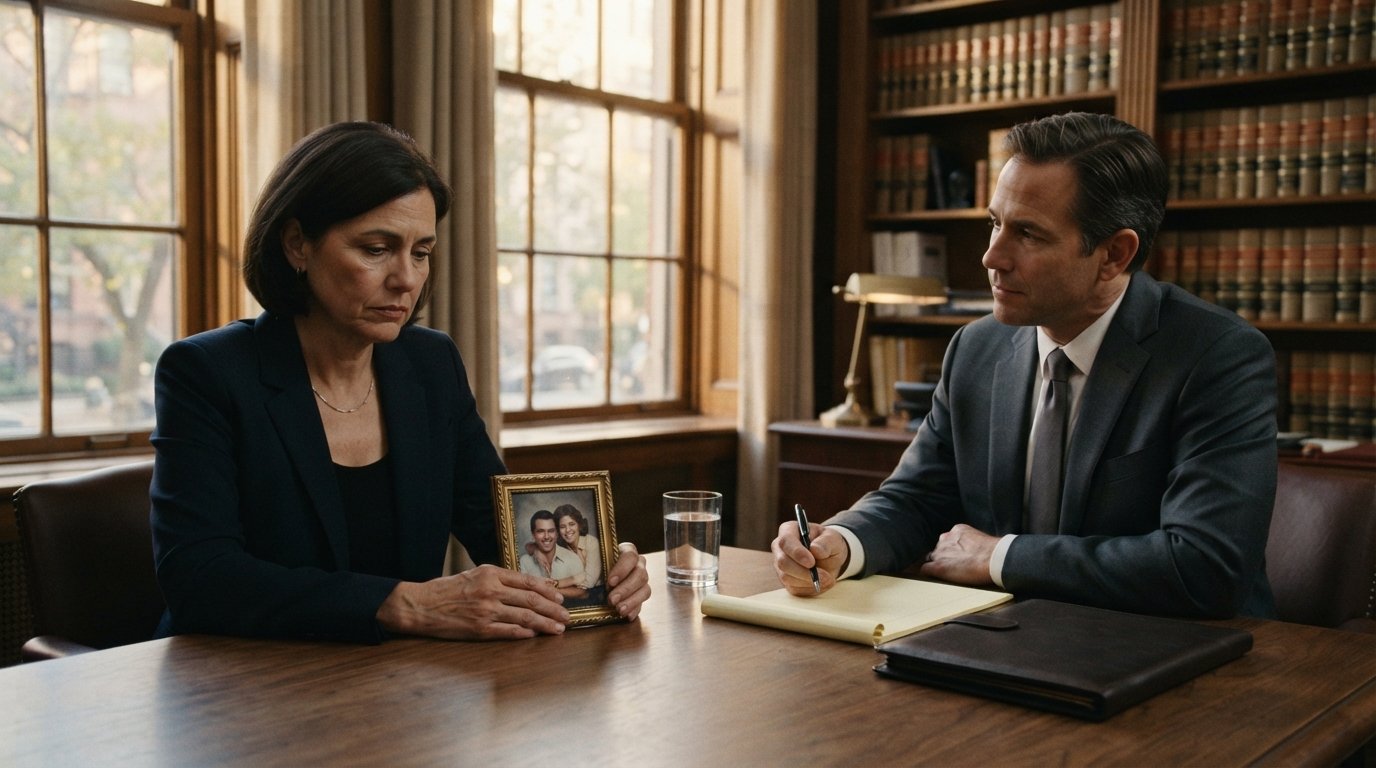
Loss of Consortium Claims in Wrongful Death Lawsuits
Loss of consortium claims in wrongful death lawsuits help families recover for lost love and companionship. Call 8338648408 for a free case review.

By Kalani Brooks
A wrongful death lawsuit does more than assign fault for a fatal accident. It attempts to measure the human and financial wreckage left behind. When a spouse, parent, or child dies because of another party's negligence, the law recognizes that the harm extends far beyond lost wages and medical bills. One of the most misunderstood forms of recovery in these cases is a loss of consortium claim. It compensates surviving family members for the loss of love, companionship, comfort, guidance, and intimacy they once shared with the deceased. Understanding how these claims work, who can file them, and what evidence supports them can make the difference between a partial recovery and a fair one.
What Loss of Consortium Means in a Wrongful Death Case
Loss of consortium is a derivative claim. It does not belong to the deceased person's estate in the traditional sense. Instead, it belongs to specific surviving family members who suffered a direct relational loss because of the death. The term "consortium" covers a broad range of intangible benefits that flow from a close family relationship: affection, society, companionship, sexual relations, moral support, and the everyday presence of a loved one.
In a wrongful death lawsuit, two categories of damages usually appear. The first is wrongful death damages, which compensate the estate and beneficiaries for economic losses such as funeral expenses, lost future income, and medical costs incurred before death. The second is survival damages, which cover the pain and suffering the deceased experienced before passing. Loss of consortium sits alongside these categories and addresses the survivors' own personal losses.
Courts treat loss of consortium as a separate cause of action in many states, but it is almost always tied to the underlying wrongful death claim. If the wrongful death claim fails because the defendant was not negligent, the consortium claim typically fails as well. This derivative nature means that the two claims rise and fall together, even though they compensate different people for different types of harm.
Who Can File a Loss of Consortium Claim
Eligibility rules vary significantly from state to state, which is one reason these claims require careful legal analysis. The most common claimant is a surviving spouse. Most jurisdictions allow a husband or wife to recover for the loss of marital companionship, affection, and sexual relations. Some states also allow a surviving spouse to recover for loss of financial support, though that overlap is often addressed in the wrongful death statute itself.
Children may file loss of consortium claims for the death of a parent, particularly when the parent provided guidance, nurturing, and emotional support. The claim often focuses on the loss of parental instruction and the void left in the child's upbringing. Parents may also file for the death of a minor child, and in some states for the death of an adult child if the relationship involved ongoing support or care.
Other relatives, such as siblings or grandparents, rarely qualify unless a specific state statute extends the right or the deceased stood in a parent-like role. Because these rules are so state-specific, families should not assume that a close relationship automatically creates standing. A knowledgeable attorney can review the family structure, the state's wrongful death statute, and the case law to determine who has a valid claim.
It is also important to remember that loss of consortium claims in wrongful death lawsuits are not available in every state. Some jurisdictions have abolished them by statute or judicial decision, while others limit them to spouses only. This patchwork of rules makes early legal guidance essential.
Damages Available Under a Loss of Consortium Claim
Unlike medical bills or pay stubs, loss of consortium damages do not come with a receipt. They compensate for intangible losses that are real but difficult to quantify. Common elements include:
- Loss of love, affection, and emotional support
- Loss of companionship and society
- Loss of sexual relations and intimacy
- Loss of guidance, instruction, and moral training (often for children)
- Loss of household services and assistance
These categories overlap, and different states emphasize different elements. Some courts focus heavily on the marital relationship, while others consider the full range of family interactions. Economic components, such as the value of services the deceased provided, may be included, but the heart of the claim remains the relational loss.
Proving these damages requires more than a family member's testimony. Attorneys often use evidence such as wedding photos, family videos, correspondence, testimony from friends and clergy, and even expert testimony from psychologists or economists. The goal is to paint a detailed picture of the relationship and the void created by the death. Juries are asked to translate that picture into a dollar figure, which is why presentation and credibility matter enormously.
How Loss of Consortium Fits Into the Wrongful Death Process
Filing a wrongful death lawsuit involves several stages, and loss of consortium claims must be integrated into that process from the beginning. The first step is identifying all potential claimants and determining which ones have a legal right to recover under the applicable state law. This often requires reviewing the wrongful death statute, the intestacy laws, and any relevant case law.
Next, the complaint must plead the consortium claim with enough specificity to survive a motion to dismiss. Some states require the consortium claim to be joined with the wrongful death claim, while others allow it to proceed separately. Missing a deadline or failing to name the right party can permanently bar recovery. For families who want a structured overview of the broader process, a guide on the steps to filing a wrongful death lawsuit can help clarify how these claims move from investigation to settlement or trial.
The discovery phase is where loss of consortium claims are often won or lost. Attorneys gather medical records, financial documents, and personal testimony that illustrate the depth of the relationship. Depositions of family members, friends, and coworkers can establish the daily impact of the loss. Defense attorneys frequently attack these claims as exaggerated or speculative, so building a well-documented record early is critical.
Settlement negotiations usually address loss of consortium damages as part of a global resolution. Insurers may try to lump the consortium claim into the wrongful death award and undervalue it. A skilled attorney can separate the claims, present independent evidence for each, and push for compensation that reflects the unique harm suffered by each survivor. If the case goes to trial, the jury will be instructed on the legal elements of loss of consortium and asked to award damages accordingly.
Challenges and Defenses in Consortium Claims
Defendants rarely accept loss of consortium claims without a fight. One common defense is that the claim is too speculative. Defense attorneys argue that love, affection, and companionship cannot be measured in dollars. Courts have rejected that argument in most jurisdictions, but the defense still influences how evidence is presented and how juries perceive the claim.
Another defense focuses on the quality of the relationship. If the couple was estranged, separated, or in the process of divorcing, the defendant may argue that no meaningful consortium existed. Similarly, if a parent had little involvement in a child's life, the child's claim may be weakened. Attorneys must be prepared to address these personal issues with sensitivity and strong evidence.
Comparative fault can also reduce or eliminate recovery. If the deceased was partly at fault for the accident, the wrongful death and consortium claims may be reduced by the deceased's percentage of fault. In some states, any fault above a certain threshold bars recovery entirely. This is another reason why early investigation and accident reconstruction are essential.
Statutes of limitations add another layer of complexity. Wrongful death claims often have shorter deadlines than other civil claims, and the clock may start on the date of death rather than the date of the accident. Missing the deadline typically means the claim is lost forever, regardless of how strong the evidence is.
Why Legal Representation Matters for These Claims
Loss of consortium claims in wrongful death lawsuits combine grief, family law, tort law, and complex evidentiary rules. Families who try to handle these claims alone often underestimate the procedural traps and the aggressive tactics insurers use to minimize payouts. An experienced attorney can identify all eligible claimants, preserve evidence, retain the right experts, and present a compelling narrative that resonates with a jury.
Legal representation also helps families avoid costly mistakes, such as accepting a quick settlement before the full extent of the loss is understood or signing a release that waives the consortium claim. Attorneys can coordinate with financial planners and grief counselors to address the family's broader needs while the case proceeds.
For families exploring their options, platforms like FreeLegalCaseReview offer free, confidential case evaluations that connect individuals with qualified mass tort and personal injury attorneys. These services can help families understand whether they have a viable loss of consortium claim and what steps to take next. LawyerCaseReview provides similar educational resources and attorney referrals, though it is not a law firm and does not provide legal advice.
Key Steps for Families Considering a Claim
Families facing the aftermath of a wrongful death should act methodically. The following steps can help preserve the right to recover for loss of consortium:
- Consult an attorney as soon as possible to review the state's wrongful death statute and filing deadlines.
- Identify all potential claimants, including spouses, children, and parents, and determine who has standing.
- Gather evidence of the relationship, such as photos, letters, videos, and testimony from friends and family.
- Document the practical and emotional impact of the loss, including changes in household responsibilities and daily routines.
- Avoid signing any settlement or release without legal review, especially if it does not address consortium damages.
Each step builds on the last. Early legal consultation ensures that evidence is preserved and that the claim is filed within the deadline. Identifying all claimants prevents later disputes among family members. Gathering relational evidence gives the attorney material to work with during negotiations or trial. Documenting the impact of the loss helps quantify damages that might otherwise seem invisible. And refusing to sign a premature release protects the family from waiving valuable rights.
Every family's situation is different, and state law controls the outcome. What works in one jurisdiction may not work in another. That is why personalized legal advice is irreplaceable. The information here is for educational purposes only and should not be taken as legal advice. LawyerCaseReview is not a law firm and does not create an attorney-client relationship.
Loss of consortium claims in wrongful death lawsuits give surviving family members a way to seek acknowledgment of the full harm they have suffered. These claims are not about placing a price tag on love. They are about holding negligent parties accountable for the relational devastation they caused. With the right legal guidance and a clear understanding of the process, families can pursue the compensation they deserve while honoring the memory of the person they lost.