
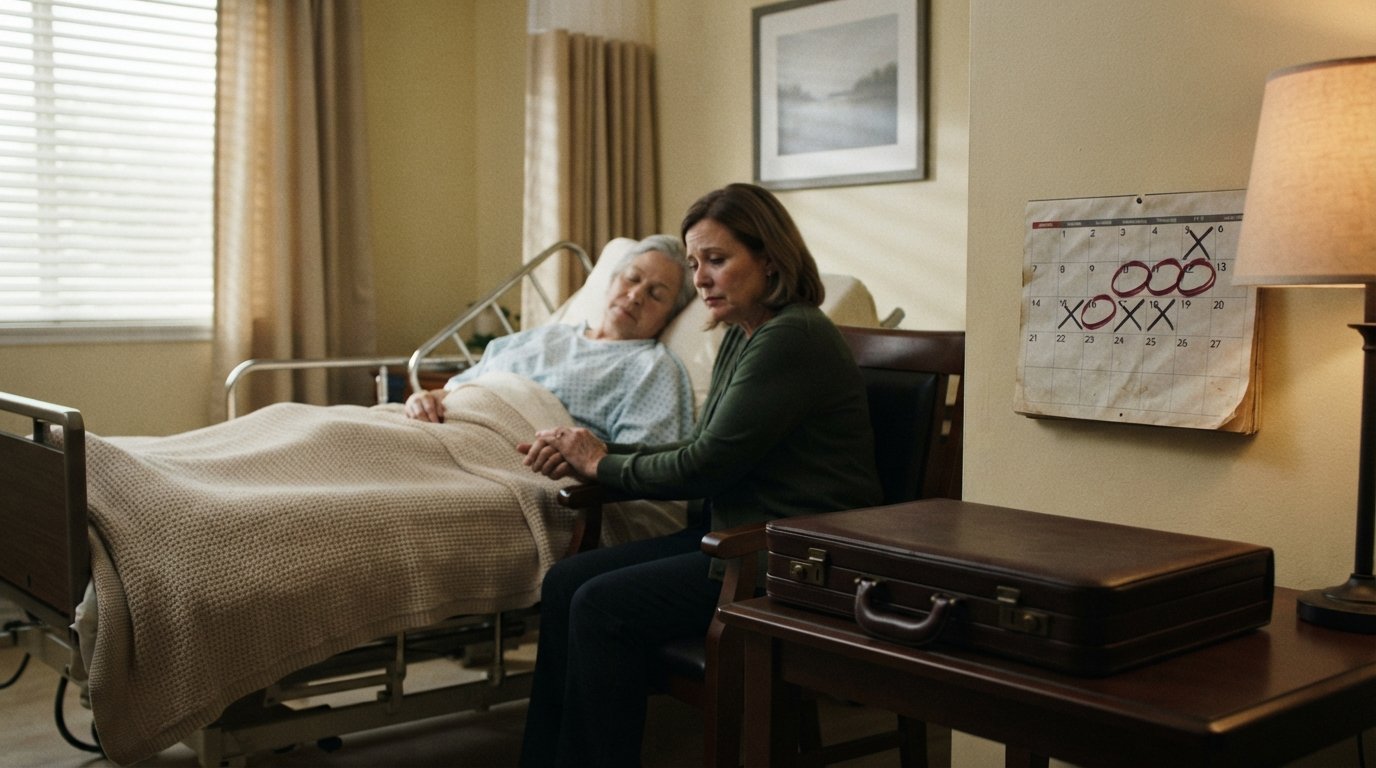
Nursing Home Abuse Statute of Limitations: Key Deadlines
The statute of limitations for nursing home abuse and neglect claims is strict. Call (833)-864-8408 to protect your family's right to compensation.

When a family member suffers abuse or neglect in a nursing home, the emotional toll can be overwhelming. Amid the shock and urgency to protect your loved one, a critical legal clock starts ticking. The statute of limitations for nursing home abuse and neglect claims sets a strict deadline for filing a lawsuit, and missing it can permanently bar your family from seeking justice. Understanding these deadlines, how they are calculated, and the steps you must take immediately is essential to holding negligent facilities accountable and securing the compensation your loved one deserves.
Which Deadline Applies? Personal Injury vs. Wrongful Death vs. Elder Abuse
The statute of limitations for nursing home abuse and neglect claims is not a single, uniform rule. Instead, the applicable deadline depends on the legal theory you pursue and the specific harm that occurred. Most states categorize these claims under personal injury law, wrongful death law, or dedicated elder abuse statutes. Each carries its own timeline, and choosing the wrong one can be fatal to your case. An experienced attorney will determine which cause of action best fits the facts and file accordingly.
Personal Injury Claims
When a resident survives abuse or neglect but suffers physical or emotional injuries, the claim is typically filed as a personal injury action. This could include injuries from falls, bedsores, medication errors, or physical assault. The statute of limitations for personal injury claims varies widely by state, ranging from one year in some jurisdictions to six years in others. Most states fall in the two-to-three-year range. The clock generally starts running on the date of the injury, but exceptions exist for latent injuries or ongoing abuse.
Wrongful Death Claims
If abuse or neglect leads to a resident's death, the family may file a wrongful death lawsuit. This claim is brought by surviving family members or the estate, seeking compensation for funeral expenses, loss of companionship, and other damages. Wrongful death statutes of limitations are often shorter than personal injury deadlines, sometimes as brief as one year from the date of death. Some states require that the wrongful death claim be filed within a certain period after the injury that caused death, which can complicate matters when the decline was gradual.
Elder Abuse Statutes
Many states have enacted specific elder abuse statutes that provide enhanced remedies and, in some cases, longer filing deadlines. These laws recognize the vulnerability of elderly residents and impose additional duties on care facilities. For example, some states allow claims under elder abuse statutes to be filed within four or five years, surpassing the standard personal injury limit. Consulting with an attorney who understands your state's elder abuse laws is crucial to maximizing your legal options.
How Ongoing Neglect Affects Accrual of the Claim
The statute of limitations does not always begin on the first day of abuse. The legal concept of accrual determines when the clock starts, and in cases of ongoing neglect, accrual can be delayed. Under the "discovery rule," many states start the limitation period only when the victim or their family knew or should have known about the abuse. This is particularly important when injuries are hidden, such as internal bleeding, malnutrition, or emotional trauma that residents may be unable to communicate.
For continuous neglect, some courts apply the "continuing violation doctrine," treating each day of neglect as a new injury and thus restarting the clock. However, this doctrine is not universally accepted, and its application varies by jurisdiction. Families should not rely on these exceptions without legal guidance. Documenting when you first noticed signs of neglect and when you confirmed the abuse can help your attorney argue for a later accrual date, preserving your claim.
In our guide on nursing home neglect signs and legal remedies, we explain how to identify subtle indicators of neglect and the steps to take if you suspect abuse. Recognizing the signs early is not only vital for your loved one's safety but also for establishing a timeline that supports your legal claim.
Record Preservation and Mandatory Reporting Requirements
Immediately after suspecting abuse or neglect, families must act to preserve evidence. Nursing homes are required by federal and state regulations to maintain detailed records of each resident's care, including medication logs, incident reports, and staffing schedules. However, these records can be altered or destroyed. Sending a written request to the facility to preserve all records, including electronic files and surveillance footage, is a critical first step. Your attorney can also send a litigation hold letter to ensure compliance.
Mandatory reporting laws require healthcare providers and certain professionals to report suspected abuse to state authorities. If you believe a crime has occurred, contact local law enforcement and your state's long-term care ombudsman. Reporting not only protects other residents but also creates an official record that can be used in civil litigation. Be aware that facilities may conduct their own internal investigations, which can sometimes interfere with evidence. Prompt action is essential.
Urgency When the Facility May Alter Records
Nursing home administrators and corporate owners have a strong incentive to minimize liability. In the days and weeks following an incident, records may be "lost," staff may be instructed on what to say, and internal reports may be revised. This is why families should not delay in consulting an attorney. A lawyer can quickly issue preservation demands and subpoena records before they disappear. Time is of the essence, and the longer you wait, the greater the risk that crucial evidence is compromised.
Additionally, many states have shorter statutes of limitations for claims against government-owned facilities, sometimes requiring notice of claim within 60 to 180 days. If the nursing home is owned by a municipality or county, different rules apply. An attorney can identify the ownership structure and ensure all deadlines are met.
Steps to Take Immediately to Protect Your Claim
If you suspect abuse or neglect, taking the following steps can help preserve your legal rights and strengthen your case:
- Document everything: Take photos of injuries, keep a journal of incidents, and save all communications with the facility.
- Request records: Ask for copies of the resident's medical records and incident reports. Do not accept excuses for delays.
- Report the abuse: Contact your state's adult protective services, the long-term care ombudsman, and local law enforcement if appropriate.
- Consult an attorney: Speak with a lawyer experienced in nursing home abuse cases to understand the statute of limitations and file before it expires.
At LawyerCaseReview, we connect families with top-rated attorneys who handle nursing home abuse and neglect claims. Our free, confidential case evaluation helps you understand your options and the deadlines that apply. We are not a law firm, but our network of participating attorneys can provide the legal guidance you need.
The Role of Legal Counsel in Meeting Deadlines
Meeting the statute of limitations for nursing home abuse and neglect claims is just one of many procedural hurdles. An attorney will also investigate the facility's history of violations, gather expert testimony, and negotiate with insurance companies. They can identify all potential defendants, including the facility, its management company, and individual staff members. Having a lawyer from the start ensures that evidence is preserved and deadlines are met, giving your family the best chance at a successful outcome.
If you are unsure where to turn, consider using a free legal matching service like GoFreeLegal to connect with attorneys who specialize in nursing home abuse. These services can provide a no-cost, no-obligation consultation to evaluate your case and explain the applicable deadlines. Time is critical, so don't delay.
State-by-State Variations and the Need for Local Expertise
Statutes of limitations for nursing home abuse and neglect claims are governed by state law, and the variations are significant. For instance, California has a two-year statute for personal injury but a one-year statute for elder abuse claims involving physical abuse. Florida has a two-year statute for personal injury but a four-year statute for elder abuse. New York has a three-year statute for personal injury and a two-year statute for wrongful death. These differences mean that a generic online search may not provide the accurate deadline for your case. Consulting with a local attorney is essential.
Moreover, some states have special rules for claims against nursing homes, such as requiring pre-suit mediation or expert affidavits. An attorney familiar with your state's procedures can navigate these requirements and ensure your claim is filed correctly and on time.
What Happens If You Miss the Deadline?
If the statute of limitations expires before you file a lawsuit, the court will almost certainly dismiss your case, regardless of the merits. There are very few exceptions, such as fraudulent concealment by the facility or the victim's mental incapacity. However, these exceptions are difficult to prove and should not be relied upon. Once the deadline passes, your family loses the legal right to seek compensation for medical bills, pain and suffering, and other damages. This is why it is imperative to act quickly and consult with an attorney as soon as you suspect abuse.
Even if you are unsure whether abuse occurred, an attorney can help you investigate and determine if you have a claim. Many law firms offer free consultations and work on a contingency fee basis, meaning you pay nothing unless they recover compensation for you. This makes it risk-free to explore your legal options.
Protecting Your Loved One's Rights
The statute of limitations for nursing home abuse and neglect claims is a strict deadline that can make or break your case. Understanding which deadline applies, how ongoing neglect affects accrual, and the urgency of preserving records is critical. By taking immediate action and consulting with an experienced attorney, you can protect your loved one's rights and hold negligent facilities accountable. Don't let the clock run out on your family's chance for justice.