
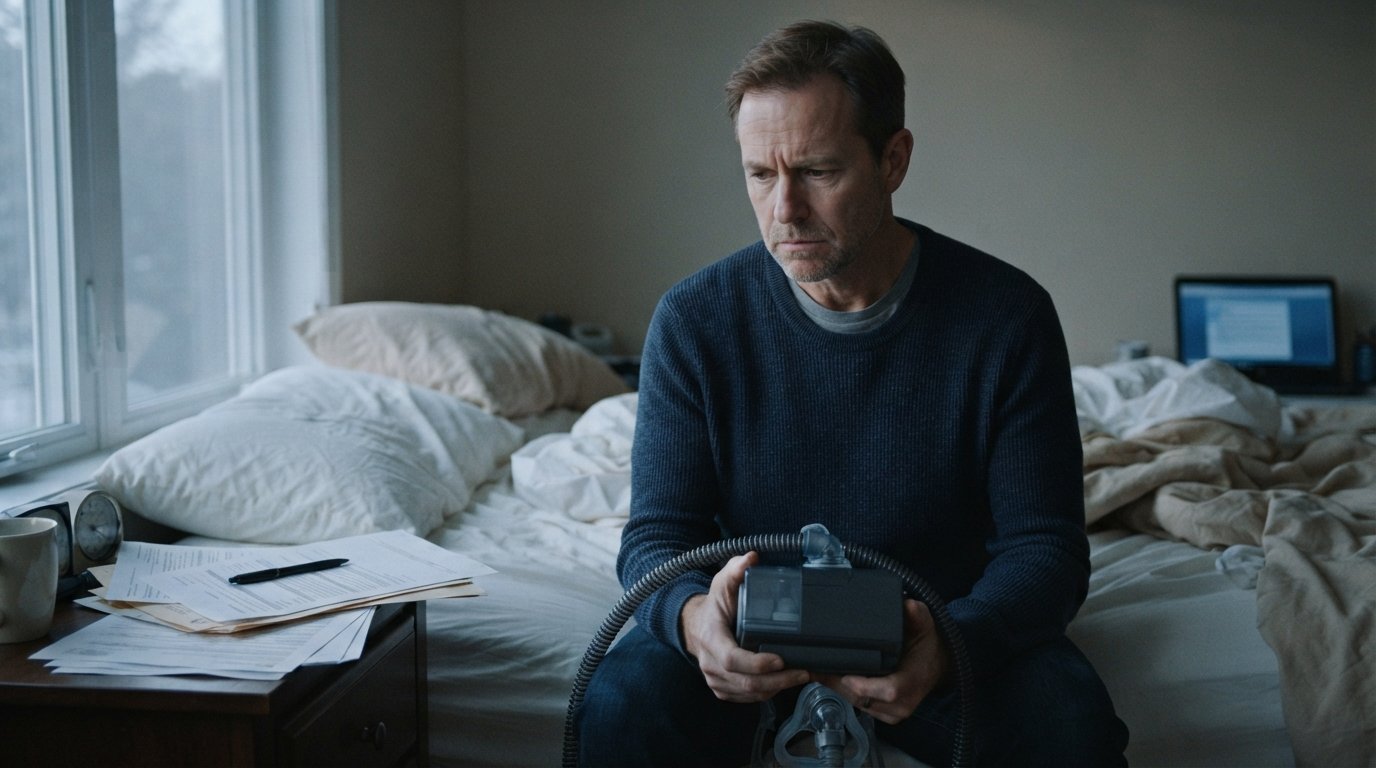
Philips CPAP Recall Lawsuit Status: 2026 Case Update
Get the latest Philips CPAP recall lawsuit status for 2026, including settlement updates, deadlines, and how to file a claim for compensation.

By Jordan Parker
The Philips CPAP recall lawsuit status remains a central concern for thousands of sleep apnea patients across the United States. What began as a voluntary recall in June 2021 has evolved into a complex mass tort litigation involving millions of devices. If you or a loved one used a Philips Respironics CPAP, BiPAP, or ventilator, you are likely wondering about the current state of claims, deadlines, and potential compensation. This article provides a clear, up-to-date look at where the litigation stands, what plaintiffs are facing, and what steps you can take to protect your rights and pursue a claim.
Understanding the Root of the Philips CPAP Recall
The recall centers on the polyester-based polyurethane (PE-PUR) foam used in many Philips Respironics devices. This foam was designed to reduce sound and vibration. However, over time, the foam can degrade, especially when exposed to heat, humidity, and certain cleaning agents like ozone or UV light. This degradation can cause the foam to break down into particles and release volatile organic compounds (VOCs) into the air mask, which users then inhale.
Inhaling these particles and chemicals can lead to a range of serious health complications. The FDA classified this as a Class I recall, the most serious type, because it can cause serious health problems or death. The health risks associated with the recalled devices include respiratory tract irritation, inflammation, asthma, and more severe issues such as cancer, organ damage, and respiratory failure. This is not a simple equipment malfunction; it is a direct threat to patient health.
MDL Consolidation and the Current Case Status
The Philips CPAP recall lawsuit status is defined by its consolidation into a federal Multi-District Litigation (MDL). In August 2021, the Judicial Panel on Multidistrict Litigation centralized all federal cases into the Western District of Pennsylvania under Judge Joy Flowers Conti. This consolidation, known as MDL 3014, is designed to streamline pretrial proceedings, avoid conflicting rulings, and make the litigation process more efficient for both plaintiffs and defendants.
Despite the consolidation, the path to resolution has been slow, which is typical for complex mass torts involving medical devices. The litigation is currently in the discovery and bellwether trial preparation phase. Bellwether trials are test cases used to gauge how juries might respond to evidence and arguments. These trials help both sides understand the value of claims and can often spur settlement negotiations.
As of early 2026, here is a breakdown of the key developments:
- Medical Monitoring Claims: The court has granted class certification for a medical monitoring class in some states, allowing plaintiffs to seek compensation for the cost of future medical testing to detect injuries, even if they do not have current symptoms.
- Personal Injury Claims: Individual personal injury lawsuits are being prepared for bellwether trials. These cases involve plaintiffs with serious conditions like lung cancer, chronic obstructive pulmonary disease (COPD), and pulmonary fibrosis.
- Economic Loss Claims: Claims for reimbursement of the cost of the device, loss of use, and other economic damages are also part of the litigation.
- Philips Settlement Program: In September 2024, Philips reached a settlement agreement to compensate individuals for economic losses (the cost of the device) and for personal injury claims. However, the program is still being finalized and administered, and many plaintiffs are still waiting for their payouts.
This intricate legal process means that while a framework for compensation exists, the actual distribution of funds is ongoing. The status is not static; it is a dynamic environment with new court orders and deadlines being issued regularly.
Key Deadlines and the Statute of Limitations
One of the most critical aspects of the Philips CPAP recall lawsuit status is the deadline for filing a claim. While the MDL has not set a universal deadline for all claims, individual state statutes of limitations apply. These laws dictate how long you have after an injury to file a lawsuit. Because the recall was announced in 2021 and the health issues can take years to manifest, the deadlines vary significantly from state to state.
It is crucial to understand that waiting too long can permanently bar your claim. In many states, the clock starts ticking when you discover, or reasonably should have discovered, that your injury was caused by the device. This is known as the discovery rule. However, some states have stricter rules that may require you to file within a certain number of years from the date of the recall or the date you used the device.
Given these complexities, consulting with an attorney is not just recommended; it is essential. A lawyer can help you determine the exact deadline for your specific situation and ensure you do not miss a critical window. For those who have already developed serious health conditions, the urgency is even greater.
What Compensation Can You Expect?
When discussing the Philips CPAP recall lawsuit status, potential plaintiffs want to know about financial recovery. The compensation available in these cases can be broadly categorized into two areas: economic and non-economic damages.
Economic damages are the tangible financial losses you have incurred. This includes medical bills for treating conditions related to the foam degradation, lost wages from time off work, and the cost of replacing the recalled device. Non-economic damages are more subjective and cover the pain and suffering, loss of enjoyment of life, and emotional distress you have experienced due to your health problems.
The recent settlement program announced by Philips is designed to address these categories. The settlement includes a fixed payment schedule for economic losses and a tiered system for personal injuries based on the severity of the condition. For example, a claimant with a more serious diagnosis like a pulmonary embolism would receive a higher payout than someone with a milder respiratory issue. However, these settlement amounts are not guaranteed for everyone, and those who choose to opt out of the settlement may pursue their claims in court, where the potential award could be higher but also carries the risk of no recovery.
How to Navigate the Claims Process
Navigating the Philips CPAP recall lawsuit status and the claims process can be overwhelming, especially while managing health issues. The process generally involves several key steps. First, you need to establish that you used a recalled device. You can verify this by checking the Philips Respironics website with your device's serial number. Second, you must demonstrate a connection between your device use and your health condition, which requires medical records and, ideally, a doctor's diagnosis.
After gathering this evidence, you can file a claim. If you have not yet hired a lawyer, you can submit your information to a legal platform for a case evaluation. For example, resources like FreeLegalCaseReview can connect you with qualified attorneys who specialize in mass tort litigation. These services provide a free, confidential consultation to assess your case's viability without any upfront cost.
Once you have legal representation, your attorney will handle the complexities of filing the claim, negotiating with the settlement administrators, or preparing for trial if you choose to litigate. Having an advocate is critical to navigating the paperwork, meeting deadlines, and maximizing your potential recovery.
Current Challenges and Delays in 2026
It is important to be realistic about the current challenges. The Philips CPAP recall lawsuit status in 2026 is not without its hurdles. The sheer volume of claims has led to significant administrative delays in the settlement program. Many plaintiffs have reported waiting months for their claim forms to be processed or for their settlement offers to be reviewed.
Another challenge is the continuous emergence of new scientific evidence about the health risks. As more research is published, the list of conditions linked to the foam may expand, which could lead to new waves of litigation or amendments to the current settlement. The legal system is also dealing with issues of causation, as proving that a specific device caused a specific cancer in a patient is scientifically complex.
Despite these delays, the litigation is moving forward. The first bellwether trials are expected to begin later this year, which will provide significant insight into the strength of the plaintiffs' claims and the potential value of the cases. These trials will likely be a major turning point, potentially prompting a global settlement or leading to a series of verdicts that shape the future of the litigation.
Your Next Steps: A Practical Guide
If you are considering filing a claim or have already begun the process, here are some practical steps to manage your situation effectively. First, prioritize your health. If you are still using a recalled device, you should stop using it immediately and consult with your doctor about alternative treatment options. Second, keep meticulous records of your device use, your medical appointments, and any symptoms you have experienced.
Third, do not delay in seeking legal counsel. The legal landscape is changing, and deadlines are approaching. An experienced attorney can provide clarity on the Philips CPAP recall lawsuit status specific to your claim, help you understand your options regarding the settlement versus litigation, and advocate on your behalf. Many law firms offer free consultations and work on a contingency fee basis, meaning they only get paid if you win or receive a settlement.
Finally, stay informed but avoid information overload. The news cycle can be filled with speculation. Rely on your attorney and official court documents for authoritative updates. The journey to compensation can be long, but with the right support, you can navigate it successfully. For more detailed information on related legal processes, you might find our guide on when to hire an adjustment of status attorney helpful, though it addresses a different area of law, it highlights the importance of timely legal action.
In summary, the Philips CPAP recall lawsuit status is active and progressing. While the settlement program offers a path to compensation, it is complex and slow. Understanding your rights, meeting deadlines, and securing strong legal representation are the most important steps you can take to ensure your voice is heard and your claim is fairly evaluated.