
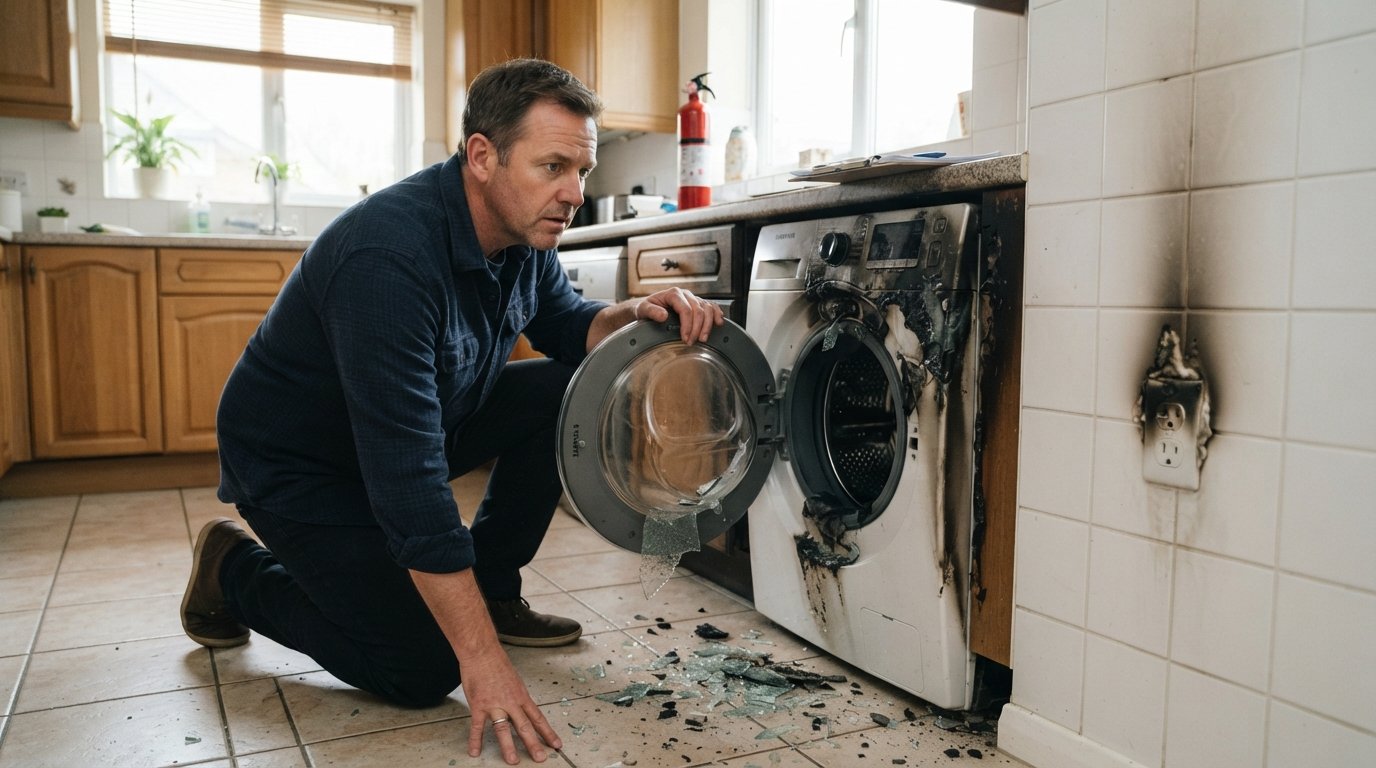
Product Liability Claim for Defective Household Appliances
If a faulty appliance injured you, a product liability claim for defective household appliances can help you recover. Call (833)-864-8408 for a free case review.

By Luca Bennett
Every year, thousands of households are disrupted by appliances that fail in dangerous ways. A refrigerator with faulty wiring ignites a kitchen fire. A washing machine drum shatters without warning. A space heater's thermostat fails and scorches a bedroom wall. When these events cause injury or property damage, the victim often wonders whether they have a legal right to compensation, and from whom. That is where a product liability claim for defective household appliances comes into play. This area of law holds manufacturers, distributors, and retailers accountable when their products are unreasonably dangerous. If you have been harmed by a defective appliance, understanding the legal landscape is the first step toward protecting your rights and recovering your losses.
How Product Liability Law Applies to Defective Appliances
Product liability law is a branch of civil liability that focuses on the responsibility of sellers and manufacturers for the safety of their products. Unlike a typical negligence claim, which requires proving that someone acted carelessly, product liability often imposes strict liability. This means that a plaintiff does not need to show that the manufacturer was negligent, only that the product was defective and that the defect caused harm. For household appliances, this legal framework is particularly important because these devices are used daily and are often involved in fires, electrical shocks, and physical injuries.
To bring a successful product liability claim for defective household appliances, you generally must establish three core elements. First, the appliance had a defect that existed when it left the manufacturer's control. Second, that defect made the product unreasonably dangerous for its intended use. Third, the defect was the actual and proximate cause of your injuries or property damage. Proving these elements requires a careful investigation, often with the help of expert witnesses and legal professionals who understand the technical aspects of appliance design and manufacturing.
If you are unsure whether your situation qualifies, you can seek a free case evaluation from a network of experienced attorneys. For a deeper look at when legal action is appropriate, see our guide on when to hire a product liability lawyer for justice. This resource explains the signs that a defective product case may be worth pursuing and how an attorney can help preserve evidence and build a strong claim.
Design, Manufacturing, and Failure-to-Warn Defects
Product defects generally fall into three categories: design defects, manufacturing defects, and failure-to-warn defects. Each category presents unique challenges and requires different types of evidence. Understanding which type of defect applies to your appliance case can help you and your attorney determine the best legal strategy.
Design defects occur when an appliance is inherently unsafe because of its intended design, even if it was manufactured correctly. For example, a coffee maker with a heating element that cannot be safely accessed for cleaning might pose a burn risk to every user. Similarly, a space heater designed without an automatic shut-off feature could overheat and cause a fire. In design defect cases, the question is whether a reasonable alternative design would have reduced the risk of harm without significantly affecting the product's utility or cost.
Manufacturing defects happen when a product deviates from its intended design during the manufacturing process. This could be a faulty wire connection in a toaster, a cracked component in a washing machine drum, or a defective thermostat in an oven. These defects typically affect only a subset of units, but they can be just as dangerous. Proving a manufacturing defect often involves comparing your appliance to others of the same model or obtaining the manufacturer's quality control records.
Failure-to-warn defects arise when a product lacks adequate instructions or warnings about foreseeable risks. For instance, if a pressure cooker does not warn users about the danger of overfilling, or if an electric blanket fails to disclose that it should not be used with certain medical devices, the manufacturer may be liable for injuries that result. These cases often hinge on whether the warning would have prevented the harm and whether the risk was known or knowable at the time of sale.
Each type of defect requires a different approach to evidence and expert testimony. An experienced product liability attorney can help you identify the most viable theory for your claim.
Identifying Every Party in the Chain of Distribution
One of the most critical steps in a product liability claim for defective household appliances is identifying all responsible parties. The chain of distribution can be long and complex, especially for appliances manufactured overseas. You may have a claim against multiple entities, and naming them all is important to ensure you can recover the full amount of your damages.
The potential defendants in an appliance defect case include:
- The manufacturer: The company that designed, assembled, or produced the appliance. This may be a domestic company or a foreign entity.
- The distributor or importer: The company that brought the appliance into the country or supplied it to retailers.
- The retailer: The store or online platform that sold the appliance to you. Retailers can be held liable under certain legal theories, especially if they knew or should have known about the defect.
- Component part manufacturers: If a specific part, such as a heating element or a switch, was defective, the manufacturer of that component may also be liable.
In many cases, the appliance's branding may not match the actual manufacturer. Private label products, where a retailer sells an appliance under its own brand name but another company makes it, are common. An attorney can help you trace the product's origins through serial numbers, packaging, and warranty documents. If the manufacturer is overseas, you may still be able to pursue a claim against the importer or retailer in the United States. Identifying all parties is essential to maximizing your recovery and ensuring that the responsible entities are held accountable.
Preserving the Product and Serial Numbers After a Failure
After a household appliance fails and causes injury or damage, the immediate reaction is often to clean up and discard the device. However, preserving the appliance is one of the most important things you can do for your product liability claim. The physical condition of the appliance, including any burn marks, melted components, or broken parts, can provide crucial evidence of the defect. Equally important is the serial number, which can link your specific unit to a manufacturing batch or recall.
Here are the steps you should take to preserve evidence:
- Do not throw away the appliance. Even if it is severely damaged, keep it in a safe place where it will not be further altered.
- Photograph and document everything. Take clear photos of the appliance, the damage it caused, and any injuries. Note the model and serial number, and keep the receipt or proof of purchase.
- Store the appliance safely. If the appliance is a fire hazard, unplug it and place it in a secure location away from flammable materials. If necessary, use a storage unit.
- Contact an attorney before allowing anyone to inspect or repair the appliance. Insurance adjusters or manufacturer representatives may ask to examine the product, but you should have legal guidance to ensure your interests are protected.
Preserving the product also allows your attorney to have it examined by an independent expert who can identify the defect and determine the cause of the failure. Without the physical evidence, proving your claim becomes significantly more difficult. If you have already disposed of the appliance, contact an attorney as soon as possible to discuss other ways to build your case, such as witness statements or maintenance records.
Class Actions vs. Individual Lawsuits for Appliance Injuries
When a defective appliance affects many consumers, two main types of legal actions may be available: class action lawsuits and individual product liability lawsuits. Understanding the difference is essential to choosing the right path for your situation.
A class action lawsuit is brought by one or more plaintiffs on behalf of a larger group of people who have suffered similar harm from the same product. Class actions are efficient for resolving common claims, such as a defect that caused minor property damage or economic loss. However, they often result in relatively small individual payouts, and plaintiffs may have limited control over the litigation. If you have suffered significant personal injuries, a class action may not adequately compensate you for your medical expenses, lost wages, and pain and suffering.
An individual product liability lawsuit allows you to pursue your own claim and retain full control over the case. You can seek damages tailored to your specific injuries, including compensation for medical bills, rehabilitation costs, lost earning capacity, and emotional distress. Individual lawsuits are often the better choice for serious injuries, such as burns, amputations, or wrongful death. They also allow your attorney to focus on the unique facts of your case and negotiate a settlement that reflects your actual losses.
In some situations, it may be possible to opt out of a class action and pursue an individual claim. An attorney can advise you on the pros and cons of each approach and help you make an informed decision. For those who need guidance on finding the right legal representation, AttorneyLawsuit offers resources on attorney-related lawsuits and consumer legal rights that can complement your search for a defective appliance lawyer.
Steps to Take If You Are Injured by a Defective Appliance
If you or a loved one has been harmed by a defective household appliance, taking the right steps immediately can strengthen your claim and protect your health. The following actions are recommended:
- Seek medical attention. Your health is the top priority. Even if injuries seem minor, see a doctor to document your condition.
- Document the scene. Take photos of the appliance, the damage, and your injuries. Keep any medical records, receipts, and correspondence related to the incident.
- Preserve the appliance and its components. As discussed, do not discard the product. Store it safely and avoid tampering with it.
- Report the incident. Consider reporting the defect to the Consumer Product Safety Commission (CPSC) and the manufacturer. This can help trigger a recall and provide evidence for your case.
- Consult a product liability attorney. An experienced lawyer can evaluate your claim, identify responsible parties, and guide you through the legal process. Many offer free consultations and work on a contingency fee basis, meaning you pay nothing unless you recover compensation.
Following these steps not only protects your legal rights but also helps ensure that the defective appliance is not a danger to others. Manufacturers and retailers have a duty to sell safe products, and when they fail in that duty, the legal system provides a way to hold them accountable.
How a Product Liability Attorney Can Help
Navigating a product liability claim for defective household appliances can be complex, especially when dealing with large corporations and their insurers. A skilled attorney can level the playing field and help you pursue the compensation you deserve. Attorneys who handle these cases typically offer free case evaluations and work on a contingency fee basis, so you do not pay upfront costs. They can investigate the defect, gather evidence, consult with experts, and negotiate with insurance companies on your behalf.
If you are ready to explore your legal options, consider reaching out to a network of experienced product liability lawyers who can assess your case and explain your rights. Many legal information platforms, such as LawyerCaseReview, connect individuals with top-rated attorneys for free, confidential case reviews. These services can help you find the right lawyer for your specific appliance injury claim and provide peace of mind during a difficult time.
Remember that time is of the essence. Statutes of limitations vary by state, and evidence can degrade over time. The sooner you act, the better your chances of building a strong case and recovering the compensation you need to move forward.