
What Happens at a Disability Hearing: Step by Step
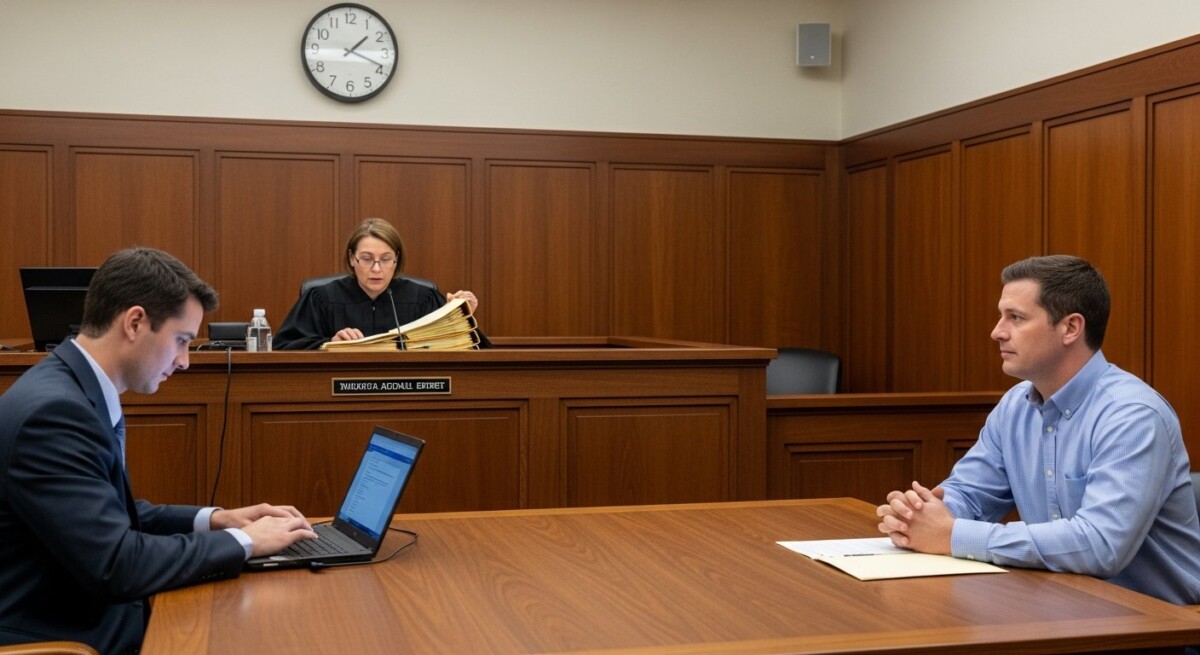
If you have been denied Social Security disability benefits and appealed, the next major step is the hearing before an administrative law judge. For many applicants, this hearing is the best chance to overturn a denial and begin receiving monthly benefits. Knowing exactly what happens at a disability hearing can reduce anxiety, help you prepare effectively, and improve your odds of a favorable decision. This guide walks through every stage of the hearing process, from the waiting room to the judge’s ruling, and explains how you can present the strongest possible case.
Understanding the Purpose of a Disability Hearing
A disability hearing is not a trial. There is no jury, no prosecutor, and no criminal charges. Instead, it is an informal, administrative proceeding where an administrative law judge (ALJ) reviews your medical records, listens to your testimony, and decides whether you meet the Social Security Administration’s definition of disability. The judge works for the SSA’s Office of Hearings Operations, not for you or the government’s denial team. Their job is to make a fair, impartial decision based on the evidence.
The hearing typically lasts between 30 and 60 minutes, though complex cases can run longer. You will have the opportunity to explain how your condition limits your ability to work. The judge may also call a vocational expert and a medical expert to provide testimony. Understanding what happens at a disability hearing means knowing that the judge wants to hear your story in your own words, not just read paper records.
Before the Hearing: Preparation Steps
Review Your File and Gather New Evidence
In the weeks leading up to the hearing, you should work with your attorney (if you have one) to review your complete case file. This includes all medical records, treatment notes, test results, and previous denial letters. If you have received new treatment or diagnoses since your last denial, make sure those records are submitted to the hearing office at least two weeks before the hearing date.
Your attorney or representative will also prepare a hearing memorandum. This document summarizes your medical conditions, explains why they meet SSA criteria, and highlights key evidence the judge should consider. Having a clear, organized file helps the judge understand the severity of your impairments quickly.
Understand the Five-Step Evaluation Process
The judge uses a five-step sequential evaluation to determine disability. Knowing these steps helps you understand what the judge is looking for:
- Step 1: Are you working? If you earn above substantial gainful activity (SGA) limits, you will be denied regardless of medical condition.
- Step 2: Is your condition severe? It must significantly limit your ability to perform basic work activities for at least 12 months.
- Step 3: Does your condition meet or equal a listed impairment in the SSA’s Listing of Impairments? If yes, you are automatically found disabled.
- Step 4: Can you do any of the work you did in the past? The judge assesses your residual functional capacity (RFC) and compares it to past jobs.
- Step 5: Can you adjust to other work? If not, considering your age, education, and RFC, you are found disabled.
Most hearings focus on Steps 4 and 5 because these involve the most subjective analysis. The vocational expert plays a key role at these steps by identifying jobs you could theoretically perform.
What Happens at a Disability Hearing: The Day Of
On the day of your hearing, arrive at the hearing office at least 30 minutes early. Dress neatly, as though you were attending a job interview or a court appearance. Bring a photo ID, your hearing notice, and any updated medical records you have not yet submitted. The hearing room is typically a small conference room with a table for the judge, a desk for your attorney, and a chair for you. A court reporter will be present to record the proceedings.
The judge will begin by swearing you in. Then they will introduce everyone present and explain the purpose of the hearing. This is a good time to ask any procedural questions you may have. The judge will then start asking you questions about your medical conditions, symptoms, daily activities, and work history.
Your Testimony: What the Judge Wants to Know
Your testimony is the most important part of the hearing. The judge wants to understand how your condition affects you on a day-to-day basis. Be honest and specific. Instead of saying “I have pain all the time,” describe what a typical day looks like. For example: “I wake up at 7:00 a.m., but it takes me two hours to get out of bed because my back is stiff. I can sit for about 20 minutes before I need to stand up. I can walk to the mailbox, but I cannot carry groceries inside.”
The judge will ask about your ability to lift, stand, walk, sit, concentrate, and interact with others. They may also ask about medication side effects, such as drowsiness or dizziness. Do not exaggerate or downplay your limitations. Consistency is key. If your testimony contradicts what you told a doctor or what you wrote on a function report, the judge may question your credibility.
Vocational Expert Testimony
In most hearings, a vocational expert (VE) testifies. The VE is a professional who understands job requirements and labor market statistics. The judge will ask the VE hypothetical questions based on your RFC. For example: “Assume a person of the claimant’s age, education, and work history who can lift 10 pounds occasionally, stand for two hours total in an eight-hour day, and needs to avoid concentrated exposure to fumes. Can this person perform any of the claimant’s past work?” The VE will answer yes or no and explain why.
If the VE says you cannot do past work, the judge will ask whether any other jobs exist in the national economy that such a person could perform. The VE will identify specific jobs and state how many exist. Your attorney can cross-examine the VE to challenge assumptions, such as whether a job truly allows sitting and standing at will or whether the number of jobs cited is realistic.
Medical Expert Testimony
Less commonly, the judge may call a medical expert (ME). The ME is a doctor who reviews your medical records and gives an opinion about your impairments. The ME can clarify whether your condition meets a listing, what your RFC should be, or whether your treatment has been consistent with accepted medical practice. The ME does not examine you; they only review the records. Your attorney can question the ME to highlight favorable findings or challenge unfavorable opinions.
After the Hearing: The Decision Process
Once the hearing concludes, the judge does not issue a decision on the spot. They typically take 30 to 90 days to review the evidence, consider the testimony, and write a written decision. The decision will explain the judge’s reasoning at each step of the five-step evaluation. If the judge finds you disabled, the decision will state the onset date of your disability, which determines when benefits begin.
If the judge denies your claim, the decision will explain why. Common reasons include: the judge found your testimony not fully credible, medical evidence did not support the severity of your symptoms, or the vocational expert identified jobs you could perform. You have the right to appeal a denial to the SSA’s Appeals Council, which can review the decision for legal errors or remand the case for a new hearing.
How an Attorney Can Help at the Disability Hearing
Having legal representation significantly increases your chances of success at a disability hearing. An experienced Social Security disability attorney knows how to prepare you for questioning, organize medical evidence, and cross-examine vocational and medical experts. They can also argue legal issues, such as whether the ALJ properly weighed your treating physician’s opinion or whether the VE’s testimony was supported by reliable data.
If you are looking for a qualified attorney to represent you at your disability hearing, LawyerCaseReview can connect you with experienced lawyers who handle Social Security disability cases. The service is free to use, and you only pay attorney fees if you win your case. Submit your case details online, and they will match you with a lawyer who understands what happens at a disability hearing and knows how to present your case effectively.
Frequently Asked Questions About Disability Hearings
How long after the hearing do I receive a decision?
Most claimants receive a written decision within 30 to 90 days after the hearing. The exact timeline depends on the judge’s caseload and the complexity of your case. You can check the status of your claim online through your SSA account.
Can I bring family members or witnesses to the hearing?
Yes, you may bring witnesses who can testify about your limitations, such as a spouse, caregiver, or former employer. However, the judge typically prefers to hear from you directly. If you bring witnesses, inform your attorney in advance so they can prepare them for questioning.
What if I cannot attend the hearing in person?
The SSA offers video hearings for claimants who live far from a hearing office or have difficulty traveling. You can also request a telephone hearing, though the judge must approve this arrangement. If you miss the hearing without good cause, the judge may dismiss your appeal.
Do I need an attorney for a disability hearing?
You are not required to have an attorney, but statistics show that represented claimants are far more likely to be approved. An attorney helps you navigate the complex rules, present evidence persuasively, and protect your rights during cross-examination. Many attorneys work on a contingency basis, meaning they only get paid if you win.
What should I do if the judge denies my claim after the hearing?
You have 60 days from the date of the decision to file an appeal with the SSA’s Appeals Council. The Appeals Council can overturn the decision, send it back for a new hearing, or uphold the denial. If the Appeals Council denies your request, you can file a lawsuit in federal district court.
Knowing what happens at a disability hearing gives you a significant advantage. Preparation, honesty, and professional representation are the three pillars of a strong case. If you are ready to move forward with your appeal, contact LawyerCaseReview today to find a dedicated Social Security disability attorney who will fight for the benefits you deserve. Call (833) 227-7919 to speak with a team member who can guide you through the next steps.

About Elspeth Warren
Recent Posts

Cybercrime Lawyer: When to Hire One and What They Do
Facing cybercrime? A cybercrime lawyer can help you recover and protect your rights. Call (833) 227-7919 to get connected with a qualified attorney.

Fraud Defense Lawyer: Your Rights and Legal Options
Facing fraud charges? A fraud defense lawyer can protect your rights. Call (833) 227-7919 to connect with experienced attorneys today.

Identity Theft Lawyer: When to Hire One and How They Help
Identity theft can wreck your credit and finances. An identity theft lawyer helps you recover. Call us at (833) 227-7919 for a free case review.