
When to Hire an Adjustment of Status Attorney
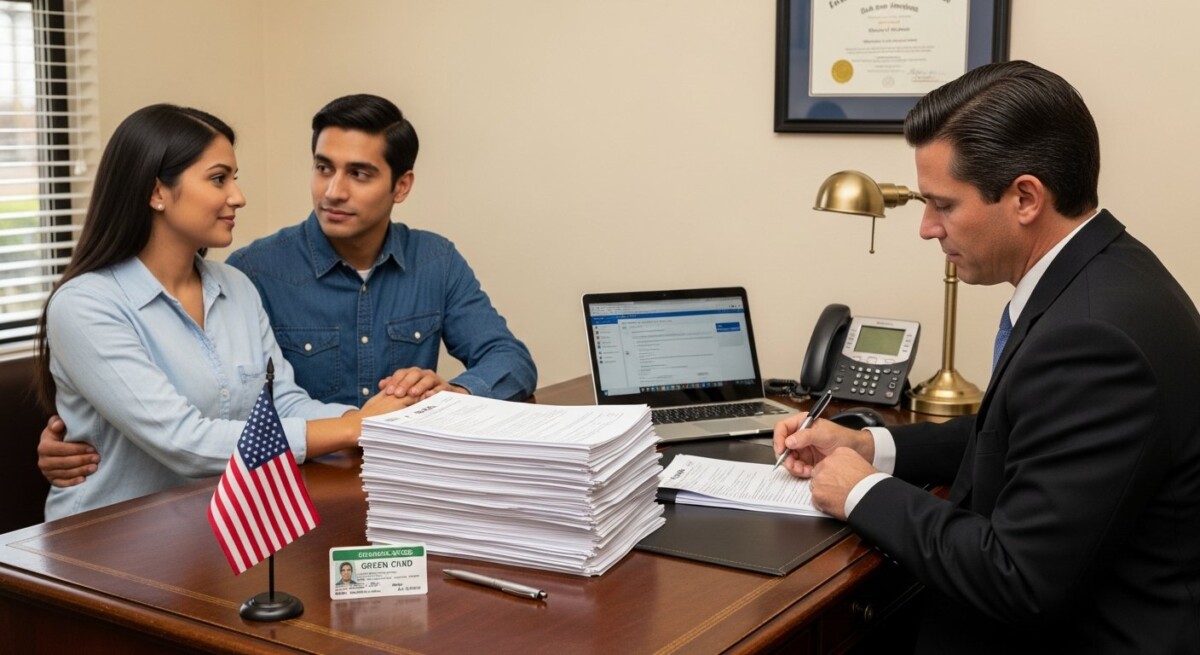
Navigating the U.S. immigration system can feel overwhelming, especially when you are seeking to become a lawful permanent resident through a process known as adjustment of status. This procedure allows eligible individuals already present in the United States to apply for a green card without returning to their home country. While the law provides a pathway, the paperwork, deadlines, and legal nuances can trip up even the most diligent applicant. That is where an experienced adjustment of status attorney becomes invaluable. This guide explains when you need professional help, what the process involves, and how the right lawyer can protect your future in the United States.
Many people assume that if they have a family or employer sponsor, the green card process is straightforward. In reality, a single mistake on Form I-485 or a misunderstanding about your immigration status can lead to delays, denials, or even removal proceedings. An adjustment of status attorney understands how to avoid these pitfalls. At LawyerCaseReview, we connect you with attorneys who specialize in this exact area. Whether you are applying as a spouse of a U.S. citizen or through employment, having a lawyer by your side can mean the difference between approval and a years-long fight.
What Is Adjustment of Status and Who Needs a Lawyer?
Adjustment of status is the legal process that allows someone already in the United States to become a lawful permanent resident without leaving the country. It is distinct from consular processing, which requires applicants to complete their green card application at a U.S. embassy abroad. To qualify for adjustment of status, you must have been inspected and admitted or paroled into the United States, be eligible for an immigrant visa, and have an approved petition (usually Form I-130 or I-140). You also need an available visa number, and you must not fall into any category that bars adjustment, such as certain criminal convictions or prior immigration violations.
Not every applicant needs a lawyer, but many do. If your case is simple (for example, you are the immediate relative of a U.S. citizen and entered the country legally with no complications), you might successfully file on your own. However, even straightforward cases can become complex. For instance, if you overstayed a visa, worked without authorization, or have a minor criminal record, those issues can trigger inadmissibility bars. An adjustment of status attorney can evaluate your history, identify risks, and determine whether you need a waiver or other form of relief. In our guide on how a medical negligence attorney can build your case, we emphasize the importance of specialized legal knowledge. The same principle applies here: immigration law is a specialized field, and a general practitioner may not have the depth needed for complex adjustment cases.
Key Benefits of Hiring an Adjustment of Status Attorney
Hiring a lawyer for your adjustment of status application is an investment in your peace of mind and your future. Below are the primary benefits you can expect when you work with a qualified attorney.
- Error-Free Documentation: The I-485 form and supporting documents require precise information. A lawyer reviews every detail to prevent omissions or mistakes that could trigger a Request for Evidence (RFE) or denial.
- Strategic Case Evaluation: An attorney assesses your entire immigration history, including prior visas, entries, and any violations. They identify potential inadmissibility issues before you file, saving you time and money.
- Interview Preparation: Most adjustment of status applicants attend an interview with a USCIS officer. Your lawyer prepares you for the questions, reviews your file, and can accompany you to the interview for support.
- Waiver Assistance: If you are inadmissible for reasons such as unlawful presence or fraud, an attorney can help you apply for a waiver (like Form I-601) and argue why you deserve a grant of relief.
- Expedited Processing and Problem Solving: When delays or complications arise, a lawyer knows how to follow up with USCIS, file service requests, and escalate issues within the agency.
These benefits go beyond simple convenience. In many cases, having an attorney can shave months off the processing time and significantly reduce the risk of a denial. If you are facing a complicated situation, such as a prior deportation order or a criminal history, the cost of not hiring a lawyer can be far greater than the attorney’s fee. For those who have experienced medical malpractice or other personal injuries, the need for expert guidance is similarly critical. Just as you would consult a specialist for a serious health issue, you should consult an adjustment of status attorney for a serious immigration matter.
The Adjustment of Status Process: Step by Step
Understanding the steps involved in adjustment of status helps you appreciate where an attorney adds the most value. The process typically unfolds as follows.
First, your sponsor (a family member or employer) files a petition on your behalf. For family-based cases, this is Form I-130 (Petition for Alien Relative). For employment-based cases, it is Form I-140 (Immigrant Petition for Alien Worker). Once USCIS approves the petition and a visa number becomes available, you can file Form I-485 (Application to Register Permanent Residence or Adjust Status). Along with the I-485, you submit supporting documents such as birth certificates, passport photos, medical examination results (Form I-693), and evidence of your lawful entry. You must also pay the filing fee and biometrics fee, unless you qualify for a fee waiver.
After USCIS receives your application, they send a receipt notice. Then they schedule a biometrics appointment to collect your fingerprints and photograph. The next step is the interview, though USCIS sometimes waives it for certain applicants. At the interview, a USCIS officer reviews your application, asks questions about your eligibility, and verifies your relationship with the sponsor (in family cases). If everything is in order, the officer may approve your application on the spot. If not, they issue an RFE or a Notice of Intent to Deny. An experienced adjustment of status attorney helps you respond to these requests quickly and thoroughly. For example, in our article on when to hire a delayed diagnosis attorney, we discuss how timing and documentation are critical. The same is true here: a timely response to an RFE can keep your case alive.
Common Reasons for Denial
Even with a strong case, USCIS may deny your adjustment of status application. Common reasons include: failing to prove your eligibility, submitting incomplete or inconsistent information, having a criminal record that makes you inadmissible, committing fraud or misrepresentation, or violating your immigration status (such as working without authorization). An attorney can help you avoid these issues by thoroughly preparing your application and addressing any red flags upfront. If you do receive a denial, a lawyer can advise you on whether to file a motion to reopen, appeal to the Administrative Appeals Office, or reapply with corrected evidence.
When to Hire an Adjustment of Status Attorney
You should consider hiring an attorney as soon as you decide to pursue a green card through adjustment of status. Early involvement allows the lawyer to plan the entire strategy, gather the right evidence, and address any issues before you file. However, there are specific situations where legal representation is almost essential.
If you have a complex immigration history, such as prior visa overstays, unauthorized employment, or a previous deportation order, you need a lawyer. These issues can make you inadmissible, and only an experienced attorney can determine whether a waiver is available. Similarly, if you have a criminal record (even a minor one like a DUI or shoplifting), you must consult an attorney before filing. USCIS scrutinizes criminal history carefully, and a conviction that seems minor could still bar adjustment. Also, if you are applying based on a marriage that is less than two years old or if USCIS suspects marriage fraud, a lawyer can help you prepare strong evidence of a bona fide relationship.
Another scenario where an attorney is invaluable is when you face a tight deadline. For example, if you are in removal proceedings, you may need to file your adjustment application quickly to avoid deportation. An attorney can file emergency motions and request stays of removal. In our discussion on when to hire an employment discrimination attorney, we note that timing and procedural knowledge can make or break a case. The same holds true in immigration law. Finally, if you simply want peace of mind and do not have the time or confidence to handle the paperwork yourself, hiring an attorney is a wise choice.
How to Choose the Right Adjustment of Status Attorney
Not all immigration lawyers are equally skilled in adjustment of status cases. When selecting an attorney, look for someone who focuses primarily on immigration law and has specific experience with green card applications. Check their track record with USCIS, read client reviews, and ask about their success rate with cases similar to yours. A good attorney will offer a clear fee structure and explain what services are included. At LawyerCaseReview, we vet attorneys for quality and experience, so you can trust that the lawyers in our network are prepared to handle your case.
During your initial consultation, ask the attorney about their approach to your case. How do they handle RFEs? Do they accompany clients to interviews? What is their strategy if USCIS denies the application? A confident attorney will answer these questions directly and give you a realistic assessment of your chances. Avoid lawyers who guarantee approval or make promises that sound too good to be true. Immigration law is complex, and no attorney can guarantee a specific outcome. However, a skilled lawyer can dramatically increase your odds of success.
For those who have experienced a personal injury or other legal issue, the importance of choosing the right advocate is clear. Just as you would carefully select a lawyer for a car accident case, you should apply the same diligence to your immigration case. In our article on why choose a collaborative divorce attorney, we highlight the value of specialized expertise and a client-focused approach. The same principles apply to adjustment of status: hire someone who understands the system and prioritizes your goals.
Cost of Hiring an Adjustment of Status Attorney
The cost of an adjustment of status attorney varies depending on the complexity of your case, the attorney’s experience, and your geographic location. On average, you can expect to pay between $2,500 and $7,500 for full representation. This fee usually covers the initial consultation, case evaluation, preparation and filing of Form I-485 and supporting documents, communication with USCIS, interview preparation, and attendance at the interview. Some attorneys charge a flat fee, while others bill by the hour. Always ask for a detailed breakdown of costs before signing a retainer agreement.
Keep in mind that the attorney’s fee is separate from the government filing fees. As of 2025, the USCIS filing fee for Form I-485 is $1,225 (including biometrics), though this can change. If you need a waiver (such as Form I-601), there are additional filing fees. While the cost may seem high, consider the long-term value of obtaining a green card: the ability to live and work permanently in the United States, access to certain government benefits, and a path to citizenship. An adjustment of status attorney helps protect that investment. At LawyerCaseReview, we can help you find an attorney who offers a free initial consultation, so you can discuss your case and fees before committing.
Frequently Asked Questions
Can I apply for adjustment of status without a lawyer?
Yes, you can file Form I-485 on your own. However, if you have any complicating factors (such as a prior visa overstay, criminal history, or a marriage that may be scrutinized), hiring a lawyer is strongly recommended to avoid costly mistakes.
How long does adjustment of status take?
Processing times vary by USCIS service center and case complexity. On average, family-based adjustment takes 8 to 14 months, while employment-based cases may take 6 to 12 months. Your attorney can give you a more accurate estimate based on your specific situation.
What happens if my adjustment of status is denied?
If USCIS denies your application, you may be placed in removal proceedings. An attorney can help you decide whether to appeal, file a motion to reopen, or reapply. In some cases, you may also be eligible for other forms of relief, such as cancellation of removal.
Do I need to attend an interview?
Most family-based adjustment applicants must attend an interview. USCIS may waive the interview for some employment-based applicants. Your attorney will prepare you for the interview and can accompany you to provide support.
Can I work while my adjustment of status is pending?
Yes, you can apply for a work permit (Form I-765) at the same time you file Form I-485. Once USCIS approves the work permit, you can legally work in the United States while your green card application is processing.
Final Thoughts on Adjustment of Status Attorneys
The journey to a green card through adjustment of status is a significant legal milestone. Whether your case is simple or complex, having a knowledgeable attorney by your side can reduce stress, prevent errors, and improve your chances of success. An adjustment of status attorney brings expertise that no online guide or DIY packet can match. If you are ready to move forward, contact LawyerCaseReview at (833) 227-7919 to speak with a qualified immigration attorney who can evaluate your case and guide you through every step of the process. Your future in the United States is worth protecting.

About Jordan Parker
Recent Posts

When to Hire a Property Damage Lawyer for Your Claim
Get help with property damage claims. Call our team at (833) 227-7919 to connect with a skilled property damage lawyer.

HOA Attorney: When to Call for Board Disputes
Resolve HOA conflicts with an experienced attorney. Call (833) 227-7919 for a free consultation today.

When to Hire a Land Use Attorney for Your Property
Find the right land use attorney to navigate zoning, permits, and property disputes. Call (833) 227-7919 for a free referral today.