
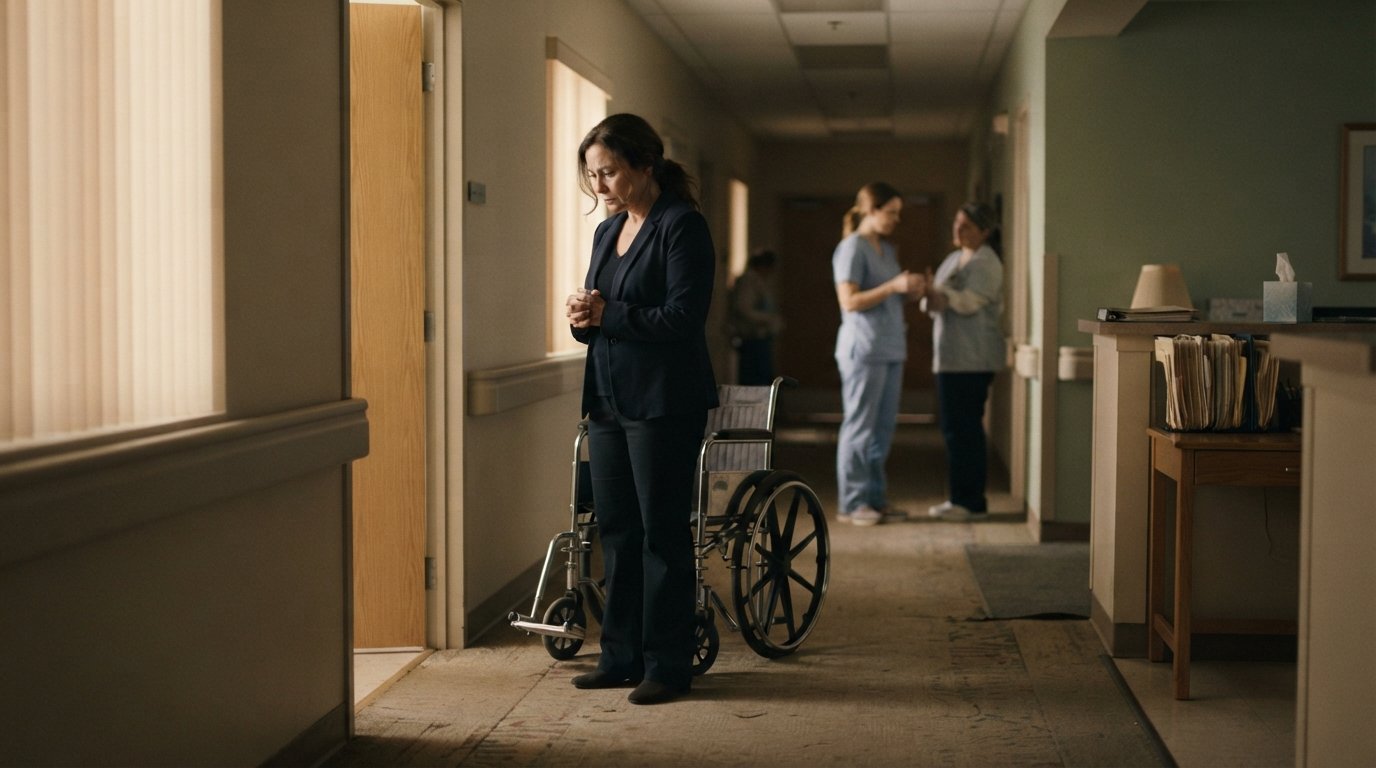
Wrongful Death Claims From Nursing Home Abuse and Neglect
Wrongful death claims from nursing home abuse and neglect can hold facilities accountable. Learn who can file, what to prove, and how to protect your family's rights.

By Luca Bennett
The call comes at an hour no family ever forgets. A parent or grandparent entered a care facility for rehabilitation or long-term support, and now a administrator is explaining that your loved one is gone. In the fog of grief, one detail may stand out: the bruises, the weight loss, the unexplained fall, the bedsores that staff kept dismissing as normal. When a resident dies because of abuse or neglect rather than natural causes, the law provides a path forward called a wrongful death claim. These cases are not about punishing a facility for being understaffed on one bad night. They are about accountability when a duty of care is broken and a preventable death follows.
Wrongful death claims from nursing home abuse and neglect sit at the intersection of elder law, personal injury law, and complex civil litigation. The defendant is often a corporate chain with layers of ownership, arbitration clauses, and insurance adjusters trained to minimize payouts. Families who understand the legal framework early, and who preserve evidence quickly, give themselves the best chance of a fair outcome. This guide walks through who can file, what must be proven, how damages are calculated, and the practical steps that protect a case from the first week onward.
What Makes a Nursing Home Death Wrongful Under the Law
A death is legally wrongful when it results from another party's negligence, recklessness, or intentional misconduct. In the nursing home context, that standard applies to a facility that owed a duty of care to a resident and failed to meet it. Federal law under the Nursing Home Reform Act requires facilities to provide services that maintain each resident's highest practicable physical, mental, and psychosocial well-being. State statutes add licensing rules, staffing minimums, and abuse reporting requirements. When those duties are ignored and a resident dies, the surviving family may have a civil claim.
Not every death in a care facility is actionable. A resident with advanced dementia may pass away from natural disease progression despite excellent care. The key question is whether the death was preventable and whether the facility's conduct contributed to it. Common fact patterns that support wrongful death claims from nursing home abuse and neglect include:
- Falls that were foreseeable because the resident was a known fall risk and no precautions were taken
- Pressure ulcers that progressed to sepsis because turning schedules and wound care were ignored
- Medication errors, including overdoses, wrong drugs, or dangerous combinations
- Dehydration and malnutrition from chronic understaffing or deliberate neglect
- Physical or sexual assault by staff or other residents that was not prevented or reported
Each of these scenarios involves a breach of the facility's duty, a link to the resident's death, and measurable losses. The strongest cases usually combine several failures rather than one isolated incident, because a pattern of neglect shows the facility knew or should have known about the risk.
Who Has the Right to File a Wrongful Death Lawsuit
Standing to sue in a wrongful death case is governed by state law, not by the family's preference. Most states give priority to a personal representative appointed by the court, often the executor named in the deceased resident's will. That representative brings the claim on behalf of the estate and the statutory beneficiaries, who are typically a surviving spouse, children, and sometimes parents or siblings. If no will exists, a court may appoint a family member as administrator for the limited purpose of pursuing the claim.
Timing matters because the statute of limitations clock starts running at the date of death in most jurisdictions, though some states use the date the injury was discovered. Nursing home wrongful death deadlines can be as short as one year and as long as three, and a few states have special rules for elder abuse that extend or shorten the window. Missing the deadline usually means the claim is barred, no matter how strong the evidence. Families should confirm the applicable deadline with a licensed attorney in their state as soon as they suspect neglect.
One related issue that regularly arises is the survival claim. A survival action belongs to the estate and covers the pain and suffering the resident experienced before death, while the wrongful death claim compensates survivors for their own losses. Many lawsuits filed over nursing home deaths combine both theories. Understanding how these claims interact is important, and a detailed overview of survivor rights and compensation can help families see the full picture before they speak with counsel.
Proving Negligence and Causation in Nursing Home Cases
To win a wrongful death claim, the plaintiff must prove four elements: duty, breach, causation, and damages. Duty is rarely disputed, because the facility accepted the resident and the law imposes care obligations. Breach is where most battles are fought. Plaintiffs must show that the facility's conduct fell below the accepted standard of care for a reasonably competent nursing home, and that the departure caused or contributed to the death.
Evidence in these cases comes from several sources. Medical records, including physician notes, nursing assessments, and medication administration records, often reveal missed warnings. Internal incident reports, staffing logs, and training records show whether the facility was adequately resourced and supervised. State inspection reports and prior citations establish a history of similar problems, which can support a claim for punitive damages. Family photographs, voicemails, and text messages can corroborate visible injuries or suspicious statements from staff.
Expert testimony is usually essential. A geriatric physician or nursing expert will explain the standard of care and how the facility deviated from it. A pathologist may need to review the autopsy or, if no autopsy was performed, the medical records to determine the cause of death. Defense attorneys for the facility will argue that the resident was already frail and that the death was inevitable. Plaintiffs counter that frailty does not excuse neglect; it increases the duty to protect. Causation is often the hardest element, because elderly residents frequently have multiple chronic conditions. The plaintiff's burden is to show that the neglect was a substantial factor in bringing about the death, not the only factor.
Damages Available to Surviving Family Members
Wrongful death damages in nursing home cases typically fall into two categories: economic and non-economic. Economic damages include medical bills for the final illness or injury, funeral and burial expenses, and the financial support the deceased would have provided. For many elderly residents, lost income is limited, but other economic losses can be significant, especially if the resident was still working or managing family finances.
Non-economic damages are often the larger component. They compensate the surviving spouse, children, or other beneficiaries for loss of companionship, guidance, protection, and emotional support. In some states, survivors can also recover for their own grief and mental anguish. Survival damages, brought by the estate, cover the resident's conscious pain and suffering before death. When the facility's conduct was especially egregious, such as deliberate abuse or a pattern of neglect, punitive damages may be available to punish the defendant and deter similar conduct.
Several factors influence the final value of a claim. The strength of the evidence, the number of statutory beneficiaries, the state's damage caps, and the defendant's willingness to settle all matter. Nursing home chains often try to enforce arbitration agreements signed during admission. Whether those agreements are enforceable varies by state and by the specific language of the contract, and some courts have refused to enforce them when they are unconscionable. An attorney can evaluate whether arbitration applies and what it means for the family's options.
Steps Families Should Take After a Suspicious Death
The first days after a death in a care facility are overwhelming, but a few deliberate actions can preserve critical evidence. The facility controls the medical chart, internal incident reports, and staff schedules, and that records can be altered or lost if no one acts quickly. Families should request a copy of the complete medical record in writing and keep a log of every communication with the facility. If an autopsy has not been performed, it may still be possible to request one, depending on state law and the circumstances.
At the same time, families should avoid signing documents presented by the facility's insurer without legal review. Adjusters may offer a quick settlement that seems generous but waives all future claims. A structured process helps protect the family's rights:
- Request and preserve all medical, staffing, and incident records in writing.
- Photograph any visible injuries and gather names of witnesses, including other residents' families.
- Contact a qualified nursing home abuse attorney for a free case evaluation before speaking with facility representatives or insurers.
- File the wrongful death claim within the state's statute of limitations, which may require opening an estate first.
- Document the family's losses, including funeral expenses, lost income, and the emotional impact on each survivor.
Working with counsel early also allows the attorney to send preservation letters that put the facility on notice to retain records, and to identify all potentially liable parties, including the corporate parent, management company, and staffing agency. For families who are not sure where to begin, a free legal case review through a trusted referral platform can connect them with experienced attorneys who handle nursing home wrongful death litigation.
How Insurance Companies and Facilities Defend These Claims
Defending a nursing home wrongful death claim is a well-practiced routine for corporate insurers. One common strategy is to blame the resident's underlying conditions, arguing that the death was the natural result of frailty and disease. Another is to dispute causation by pointing to gaps in the medical record or conflicting expert opinions. Insurers may also attack the plaintiff's standing, claiming the wrong person filed the lawsuit, or invoke an arbitration clause to move the case out of court.
Delay is another tactic. By dragging out discovery and settlement negotiations, the defense hopes the family will accept less money to end the process. Families who are represented by counsel with trial experience tend to fare better, because insurers know that a credible threat of trial changes the settlement calculus. Documenting the facility's history of violations, understaffing, and prior complaints can also shift the narrative from an isolated tragedy to a systemic problem. In the strongest cases, surveillance footage, staff text messages, and whistleblower testimony provide direct evidence of neglect or abuse.
Understanding the defense playbook helps families avoid missteps. It also explains why early legal help matters: evidence disappears, memories fade, and the facility's legal team begins building its version of events from day one. A prompt, well-documented claim puts the family on equal footing.
Choosing the Right Attorney for a Nursing Home Wrongful Death Case
Not every personal injury lawyer handles nursing home abuse and neglect. These cases require knowledge of elder care regulations, experience with medical records, and the resources to litigate against large corporate defendants. When evaluating attorneys, families should ask about their track record in nursing home cases, whether they have trial experience, and how they handle fees. Most wrongful death attorneys work on a contingency fee basis, meaning the family pays nothing unless the case succeeds.
It also helps to ask how the attorney will communicate, who will handle the case day to day, and what the expected timeline looks like. A free, confidential case evaluation is standard, and families should never feel pressured to sign immediately. Reputable firms explain the process, the risks, and the realistic range of outcomes. For families in the United States who need help finding qualified counsel, platforms such as FreeLegalCaseReview offer free case evaluations and connect individuals with experienced mass tort and personal injury attorneys without any upfront cost.
Finally, families should trust their instincts about the relationship. Grief makes people vulnerable, and the right attorney will treat the family with patience and respect while aggressively pursuing the facility. A lawyer who listens carefully, answers questions clearly, and explains the law in plain language is usually a better partner than one who promises a specific result before reviewing the records.
Preventing Future Harm Through Accountability
Wrongful death claims from nursing home abuse and neglect do more than compensate one family. They expose staffing shortages, ignored protocols, and corporate cost-cutting that put every resident at risk. When facilities face meaningful consequences, they have a financial incentive to improve training, hire more aides, and respond to complaints. State regulators and legislators also pay attention to patterns of litigation, which can lead to stronger oversight and tougher penalties.
For surviving family members, the legal process can be a way to honor a loved one's memory and to demand that the truth be told. It will not bring the person back, but it can provide answers, hold wrongdoers accountable, and protect other vulnerable residents from the same fate. Families who are considering a claim should act promptly, gather records, and speak with a qualified attorney. The law offers a path to justice, and no family should have to walk it alone.