
Distracted Driver Caused Crash in Illinois: Your Legal Guide
Understand your rights and compensation options if a distracted driver caused crash in Illinois. For a free case evaluation, call (833) 227-7919.

By Talia Rosen
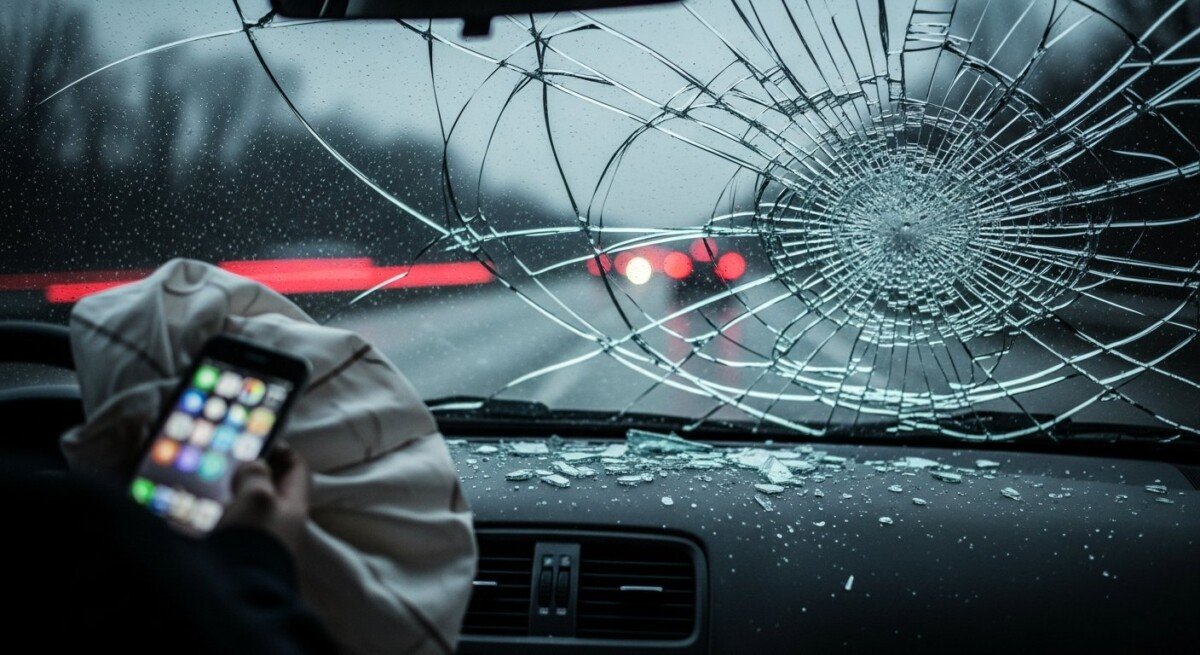
You are driving home, obeying the rules, when suddenly another vehicle swerves into your lane. The impact is violent, the aftermath chaotic. In the moments following the crash, you see the other driver holding their phone. This was not just an accident, it was a preventable collision caused by distraction. In Illinois, the consequences of a crash caused by a distracted driver extend far beyond the initial police report. For the injured victim, understanding the legal landscape is crucial to securing fair compensation and holding the negligent party accountable. Distracted driving is not a simple mistake under Illinois law, it is a clear act of negligence that forms the basis for a personal injury claim.
Illinois Distracted Driving Laws and Establishing Fault
Illinois has specific laws targeting distracted driving, most notably the ban on all hand-held mobile phone use while driving. This is a primary enforcement law, meaning an officer can pull you over solely for using your phone. Beyond cell phone use, distracted driving encompasses any activity that diverts attention from driving, including eating, adjusting the radio, or interacting with passengers. When such distraction leads to a crash, the driver has breached their duty of care to others on the road. Establishing fault in these cases often hinges on evidence of that distraction. Police reports may note the driver’s admission of being on the phone, or witnesses may provide critical testimony. In more complex cases, cell phone records can be subpoenaed to prove usage at the exact time of the collision. This evidence is pivotal in building a strong negligence claim.
Illinois operates under a “modified comparative fault” system. This means your compensation can be reduced by your percentage of fault for the crash. If you are found to be 50% or more at fault, you are barred from recovering any compensation. A skilled attorney will work to demonstrate the distracted driver’s overwhelming fault, minimizing any unjust allegations against you. Proving distraction is key to maximizing your recovery. Similar principles of establishing fault apply in other jurisdictions, as seen in cases involving younger drivers, where the process for determining liability can be particularly nuanced.
Immediate Steps After a Crash with a Distracted Driver
The actions you take in the immediate aftermath of a collision can significantly impact your health and your legal claim. Your first priority is always safety and medical attention. Even if you feel fine, adrenaline can mask serious injuries. Call 911 to report the crash and request medical evaluation at the scene. Once safe, if you are able, begin gathering evidence. This is your opportunity to collect proof of the other driver’s distraction before it disappears.
Key evidence to collect includes:
- Photographs and video of the scene, vehicle damage, license plates, and any visible injuries.
- Contact information from the other driver and any witnesses. Ask witnesses what they saw, specifically if they observed the driver using a phone or otherwise not looking at the road.
- The responding officer’s name and badge number, and the police report number.
- Your own written notes about what happened, including any statements the other driver made about being distracted.
Do not discuss fault or make speculative statements at the scene. Stick to the facts when speaking with the police. Notify your own insurance company about the crash promptly, but be cautious in your discussions with the other driver’s insurer. They may contact you quickly with a low settlement offer before the full extent of your damages is known. It is highly advisable to consult with a personal injury attorney before providing any recorded statements or accepting any payment. An attorney can handle these communications and protect your rights from the very beginning.
Recoverable Damages in an Illinois Distracted Driving Case
If a distracted driver caused your crash, you are entitled to seek compensation for all losses resulting from their negligence. These damages, known as “compensatory damages,” are designed to make you whole again, at least financially. They are broadly categorized into economic and non-economic damages. Economic damages are the tangible, out-of-pocket costs. These include all medical expenses, from emergency transport to surgery, rehabilitation, and future medical care. They also cover lost wages if your injuries prevent you from working, as well as loss of future earning capacity. Property damage, such as the cost to repair or replace your vehicle, is also included.
Non-economic damages are more subjective but equally real. They compensate for the physical and emotional toll of the crash, including pain and suffering, emotional distress, loss of normal life (the inability to enjoy daily activities and hobbies), and disfigurement or permanent disability. In cases where the distracted driver’s conduct is found to be willful and wanton, or exceptionally reckless, the court may also award punitive damages. These are not tied to your specific losses but are intended to punish the wrongdoer and deter similar behavior in the future. Calculating the full value of your claim requires a thorough analysis of both your current losses and the long-term impact of your injuries. This comprehensive approach is essential, much like the detailed assessment needed when a teen driver causes an accident, where future impacts can be significant.
The Legal Process: From Claim to Resolution
Navigating the legal process after a distracted driving crash typically begins with an insurance claim. Your attorney will compile the evidence, including proof of distraction, and submit a detailed demand package to the at-fault driver’s insurance company. This package outlines the facts of the case, the legal basis for liability, and a comprehensive accounting of your damages. Negotiations follow. Insurance adjusters often initially deny or lowball claims, even those with clear liability. Your attorney’s skill in negotiation, backed by a readiness to file a lawsuit, is critical during this phase.
If a fair settlement cannot be reached, filing a lawsuit becomes necessary. The complaint formally initiates the litigation process. Discovery follows, where both sides exchange information through interrogatories, document requests, and depositions. This phase is where cell phone records are formally obtained and where witnesses are questioned under oath. Many cases settle during discovery or at mediation, a facilitated negotiation session with a neutral mediator. If the case proceeds to trial, a judge or jury will hear the evidence, including the proof of distraction, and determine the final outcome and award. Throughout this process, having an experienced legal advocate ensures your claim is presented powerfully and that you are not pressured into accepting less than you deserve.
Why Legal Representation is Critical
Dealing with insurance companies after a serious crash is an uneven fight. Adjusters are trained to minimize payouts, and they have extensive legal resources. Without an attorney, you are at a severe disadvantage. A personal injury lawyer specializing in distracted driving cases understands how to investigate and prove distraction. They know how to obtain cell phone records, work with accident reconstruction experts, and counter the tactics used by insurance defense teams. Perhaps most importantly, an attorney handles all the complex legal and procedural work, allowing you to focus on your physical and emotional recovery. They work on a contingency fee basis, meaning you pay no upfront costs, their fee is a percentage of the recovery they secure for you. This aligns their interests with yours, the goal is to maximize your compensation. The financial implications of a crash, especially one caused by clear negligence like distraction, can be profound and long-lasting, making expert guidance not just helpful, but essential for a stable future.
Frequently Asked Questions
What if the distracted driver admits fault at the scene but later denies it?
This is common. The initial admission is valuable evidence and should be documented in the police report and your own notes. However, the driver may later change their story under advice from their insurance company. This is why independent evidence (witnesses, phone records) is so crucial. Your attorney can use the initial admission to challenge the driver’s credibility.
How long do I have to file a lawsuit after a distracted driving crash in Illinois?
The statute of limitations for personal injury in Illinois is generally two years from the date of the accident. For property damage, it is five years. Missing this deadline will almost certainly bar you from ever pursuing compensation through the courts, making prompt consultation with an attorney vital.
Can I sue if I was a passenger in the distracted driver’s car?
Yes. As a passenger, you are an innocent victim. You would have a claim against the distracted driver’s insurance policy for your injuries. Your claim is separate from any fault determination between the drivers involved.
What if the distracted driver was working at the time of the crash (delivery driver, salesperson, etc.)?
This can create “vicarious liability” for the employer. If the driver was acting within the scope of their employment, both the driver and the employer can be held liable. Employer policies often have higher insurance limits, which can be important for covering serious injuries.
Does Illinois have a law against texting and driving specifically?
Yes. Illinois law prohibits all hand-held cell phone use, which includes texting, talking, or using apps. Even using a phone at a stoplight is illegal. A ticket for this violation can serve as powerful evidence of negligence in your civil case.
The aftermath of a crash caused by a distracted driver is physically, emotionally, and financially draining. Illinois law provides a path to recovery, but it is a complex path that requires strategic navigation. By understanding your rights, preserving evidence, and seeking qualified legal counsel, you can hold the negligent driver accountable and secure the compensation necessary to rebuild your life. Taking decisive action protects not only your future but also helps make the roads safer for everyone by reinforcing the serious consequences of distracted driving.