
Hire a Product Liability Lawyer for Defective Products
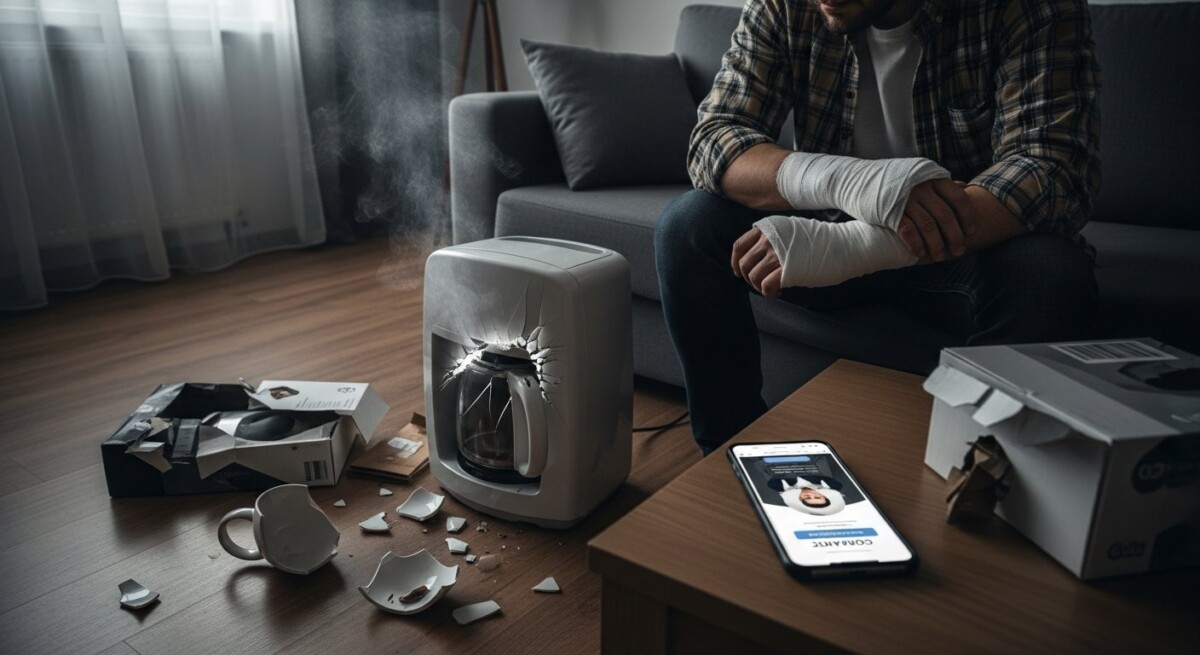
When a product you trust causes harm, the consequences can be life-altering. From a faulty car part that leads to a serious crash to a defective medical device that requires emergency surgery, defective products enter our homes and workplaces every day. In these moments, a product liability lawyer defective products cases rely on becomes your strongest ally. These attorneys understand the laws that hold manufacturers, distributors, and retailers accountable for the injuries their products cause. If you have been hurt by something you purchased or used, pursuing a claim is not about blame. It is about securing compensation for medical bills, lost income, pain and suffering, and other damages while sending a message that safety must come first.
Product liability law exists to protect consumers from dangerous goods. Without it, companies could cut corners on safety testing, quality control, or proper warnings without facing consequences. Our legal system provides a path for injured individuals to seek justice, but navigating that path requires knowledge, evidence, and skilled advocacy. That is where an experienced product liability lawyer makes the difference. Whether you suffered burns from a defective household appliance or developed complications from a recalled drug, understanding your rights is the first step toward recovery.
What Qualifies as a Defective Product in a Legal Claim?
Not every injury involving a product leads to a valid lawsuit. The law defines a defective product as one that is unreasonably dangerous when used as intended or in a reasonably foreseeable way. This definition covers three main categories of defects, and a product liability lawyer defective products cases fall under will evaluate which type applies to your situation.
Design defects exist before the product is even manufactured. The blueprint itself contains a flaw that makes the product inherently dangerous. For example, a medication with a chemical structure that causes severe side effects in a predictable way may have a design defect. Manufacturing defects occur during production. A batch of infant formula contaminated with bacteria or a car with improperly installed brakes falls into this category. Marketing defects involve inadequate warnings or instructions. A power tool that lacks a warning about kickback risks or a prescription drug that fails to disclose a dangerous interaction may be considered defective in how it was marketed.
To succeed in a claim, you must show that the product was defective when it left the defendant’s control and that the defect directly caused your injury. You do not need to prove negligence in every state. Many states apply strict liability, meaning the manufacturer is responsible for the harm caused by a defective product regardless of how careful they were. This legal standard makes it easier for consumers to recover damages, but the burden of proof still requires strong evidence.
Common Examples of Defective Products That Lead to Lawsuits
Defective products appear across nearly every industry. While any product has the potential to be dangerous, certain categories generate the most litigation. A product liability lawyer defective products experience with these categories can help you understand whether your situation fits a common pattern.
- Motor vehicles and auto parts: Faulty airbags, defective tires, malfunctioning brakes, and dangerous vehicle designs cause thousands of serious injuries each year. High-profile recalls involving Takata airbags and General Motors ignition switches highlight the devastating impact of automotive defects.
- Medical devices and prescription drugs: Hip replacements that fail prematurely, transvaginal mesh that causes chronic pain, and medications that lead to heart attacks or strokes are frequent subjects of product liability claims. These cases often involve complex medical evidence.
- Children’s products and toys: Cribs with dangerous drop sides, toys with lead paint, and baby carriers that fail pose serious risks to children. These cases often involve federal safety standards from the Consumer Product Safety Commission.
- Household appliances and electronics: Defective space heaters that cause fires, exploding cell phone batteries, and faulty kitchen appliances that shock users are common sources of injury.
- Industrial and workplace equipment: Dangerous machinery, defective safety gear, and poorly designed tools can lead to catastrophic injuries for workers. These cases may overlap with workers’ compensation claims.
Each of these categories has unique legal nuances. For example, pharmaceutical cases may involve preemption arguments based on FDA approval, while automotive defect cases often require crash testing data and engineering expert testimony. A lawyer who focuses on product liability will know how to gather the right evidence and counter the defenses manufacturers use.
Why You Need a Product Liability Lawyer, Not Just Any Attorney
Product liability law is a specialized field within personal injury litigation. General practice attorneys may handle slip-and-fall cases or car accident claims, but defective product cases require a different skill set. A product liability lawyer defective products cases demand understands the intricate rules of evidence, the role of expert witnesses, and the strategies that large corporations deploy to avoid liability.
Manufacturers have deep pockets and powerful legal teams. They will argue that you misused the product, that your injury resulted from a preexisting condition, or that the product carried adequate warnings. They may try to shift blame to a third party, such as a parts supplier or the retailer. Without a lawyer who knows how to dismantle these arguments, you risk receiving little or no compensation. In our guide on when to hire a product liability lawyer for justice, we explain how early legal intervention can preserve evidence and strengthen your case.
Beyond legal knowledge, a product liability lawyer provides practical benefits. They can help you document your injuries, calculate the full value of your damages, and negotiate with insurance companies. They also work on a contingency fee basis, meaning you pay nothing upfront and only receive a fee if you win or settle your case. This arrangement ensures that people of all financial backgrounds can access quality representation.
Steps to Take After an Injury from a Defective Product
What you do in the hours and days following a product-related injury can significantly affect your ability to recover compensation. Taking the right steps preserves evidence and protects your legal rights.
Step 1: Seek medical attention immediately. Your health is the top priority. Even if your injury seems minor, see a doctor. Some injuries, such as internal bleeding or nerve damage, do not appear right away. Medical records also create a direct link between the product and your injury, which is critical for your claim.
Step 2: Preserve the product and all related materials. Do not repair, modify, or discard the product. Keep the packaging, instructions, receipts, and any labels. If the product was disposed of, try to recover it. The physical evidence is often the most powerful proof of a defect.
Step 3: Document everything. Take photographs of the product, the scene of the injury, and your visible injuries. Write down the product’s model number, serial number, and date of purchase. Record your recollection of how the injury happened while the details are fresh.
Step 4: Do not give a statement to the manufacturer or their insurance company. Company representatives may contact you and ask questions. They may seem sympathetic, but their goal is to collect information to minimize their liability. Refer them to your lawyer.
Step 5: Contact a product liability lawyer. The sooner you involve legal counsel, the better your chances of preserving evidence and building a strong case. Many states have statutes of limitations that limit how long you have to file a claim, so do not delay.
How a Product Liability Lawyer Builds Your Case
Constructing a product liability case requires a methodical approach. Your lawyer will start by investigating the product and the circumstances of your injury. This often involves consulting with engineers, medical experts, or other specialists who can identify the defect and explain how it caused harm.
The next step is identifying all potentially liable parties. In many cases, the manufacturer is the primary defendant, but others may share responsibility. The designer of the product, the company that supplied the defective component, the distributor, and even the retailer could be held liable depending on the facts. Including multiple defendants can increase the pool of available compensation and pressure all parties to settle.
Your lawyer will also gather documentary evidence. This may include internal company emails showing that the manufacturer knew about the defect, records of consumer complaints, and reports of similar injuries. In some cases, discovery reveals that the company conducted inadequate safety testing or ignored warnings from engineers. These findings can significantly strengthen your claim and may support a demand for punitive damages, which punish the defendant for egregious conduct.
Compensation Available in Product Liability Cases
The damages you can recover in a product liability lawsuit fall into three main categories. Understanding these categories helps you appreciate the full value of your case and why experienced legal representation matters.
Economic damages cover measurable financial losses. This includes past and future medical expenses, lost wages, reduced earning capacity, and the cost of rehabilitation or long-term care. If your injury prevents you from returning to your previous job, your lawyer will work with economists and vocational experts to calculate the lifetime financial impact.
Non-economic damages compensate for intangible losses such as pain and suffering, emotional distress, loss of enjoyment of life, and loss of consortium. These damages are harder to quantify, but they are often substantial. A skilled lawyer can present evidence of how the injury has affected your daily life, relationships, and mental health.
Punitive damages are awarded in cases where the defendant’s conduct was particularly reckless or malicious. For example, if a company knowingly sold a dangerous product without warning consumers, a court may impose punitive damages to deter similar behavior in the future. These awards can be significant, but they are not available in every case or every state.
Frequently Asked Questions About Product Liability Claims
What is the difference between product liability and personal injury law?
Product liability is a subset of personal injury law. While all product liability claims are personal injury claims, not all personal injury claims involve products. The distinguishing feature is that the injury was caused by a defective or dangerous product rather than by an act of negligence like a car accident or slip and fall.
How long do I have to file a product liability lawsuit?
Each state sets its own statute of limitations for product liability claims. The deadline typically ranges from one to four years from the date of injury. Some states apply a discovery rule, which means the clock starts when you discovered or reasonably should have discovered the injury and its cause. Consulting a lawyer promptly is essential to avoid missing the deadline.
Do I need to prove the manufacturer was negligent?
Not necessarily. Many states apply strict liability for product defects. Under strict liability, you only need to prove that the product was defective and that the defect caused your injury. You do not need to show that the manufacturer acted carelessly. However, some states still require proof of negligence for certain types of claims, so it is important to understand the law in your jurisdiction.
Can I file a claim if I modified the product before it broke?
Modifying a product can affect your claim. If your modification contributed to the injury, the manufacturer may argue that you assumed the risk or that the product was not defective when it left their control. However, if the product was still defective despite the modification, you may still have a valid claim. Your lawyer can evaluate the specific facts.
What if the product was recalled after my injury?
A recall can be strong evidence that the product was defective. However, a recall alone does not guarantee that you will win your case. You still need to prove that the specific product that injured you had the defect and that the defect caused your injuries. Your lawyer can use the recall notice and related documents to support your claim.
How much does it cost to hire a product liability lawyer?
Most product liability lawyers work on a contingency fee basis. This means you pay no upfront fees. The lawyer receives a percentage of the compensation you recover, typically between 30 and 40 percent. If you do not win or settle your case, you owe nothing for legal fees. Court costs and expert witness fees may be advanced by the lawyer and deducted from your recovery.
Take the Next Step Toward Justice
Living with the consequences of a defective product can be overwhelming. Medical bills pile up, your ability to work may be compromised, and the emotional toll is real. You do not have to face this burden alone. The legal system exists to hold companies accountable and to help injured people rebuild their lives. A product liability lawyer defective products cases are their specialty can provide the guidance, resources, and advocacy you need.
If you or a loved one has been injured by a defective product, do not wait. Evidence can be lost, witnesses may forget details, and legal deadlines do not pause. Reach out to a qualified attorney who can evaluate your case, explain your options, and fight for the compensation you deserve. Your safety and your future are worth protecting.

About Kalani Brooks
Recent Posts

Cybercrime Lawyer: When to Hire One and What They Do
Facing cybercrime? A cybercrime lawyer can help you recover and protect your rights. Call (833) 227-7919 to get connected with a qualified attorney.

Fraud Defense Lawyer: Your Rights and Legal Options
Facing fraud charges? A fraud defense lawyer can protect your rights. Call (833) 227-7919 to connect with experienced attorneys today.

Identity Theft Lawyer: When to Hire One and How They Help
Identity theft can wreck your credit and finances. An identity theft lawyer helps you recover. Call us at (833) 227-7919 for a free case review.