
Motorcycle Accident Lawyer: Overcoming Bias for Fair Compensation
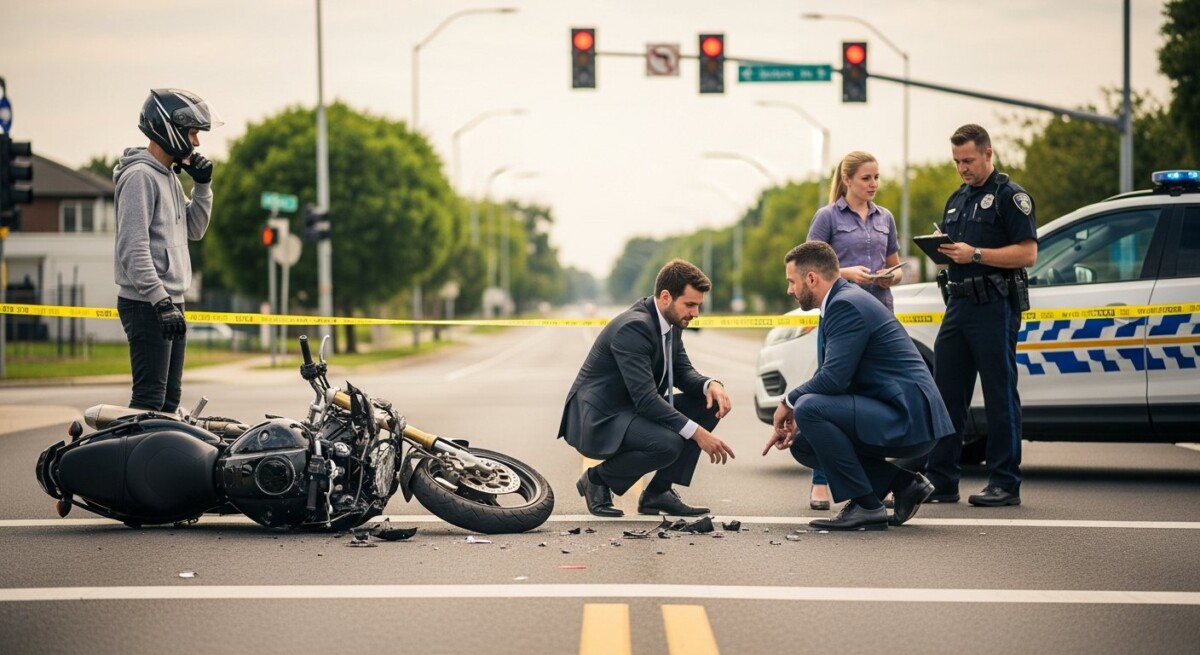
After a motorcycle crash, victims often face a second collision: one fueled by prejudice. Insurers, juries, and even police officers may carry deep-seated biases against riders, assuming they are reckless, speeding, or at fault simply because of the vehicle they chose. This unfair perception can dramatically reduce the value of a claim or derail a case entirely. A skilled motorcycle accident lawyer specializing in overcoming bias understands how to dismantle these stereotypes and build a case based on facts, not assumptions. Without this advocacy, injured riders risk being judged before they ever get a fair hearing.
Why Bias Against Motorcyclists Persists in Legal Settings
Bias against motorcyclists is not new, but it remains stubbornly embedded in the legal system. Studies show that jurors often view motorcyclists as thrill-seekers who willingly accept danger. Insurance adjusters exploit this perception, using it to justify lowball settlement offers or outright denials. Even accident reconstruction experts may unconsciously skew their findings to favor the driver of a car or truck.
This prejudice stems from a mix of cultural stereotypes and a lack of understanding. Many people see motorcycles as inherently dangerous vehicles, so they assume the rider must have done something wrong. This mindset can lead to shared fault being assigned unfairly, reducing compensation under comparative negligence rules. In states like Arizona and Alabama, where comparative fault laws apply, even a small percentage of attributed blame can cost thousands of dollars.
A knowledgeable attorney recognizes these patterns and prepares counterarguments before the case even begins. They gather evidence that refutes the bias, such as witness statements, video footage, and expert testimony that shows the rider obeyed traffic laws and drove defensively. By proactively addressing bias, the lawyer shifts the narrative from reckless rider to responsible victim.
How a Lawyer Neutralizes Juror Prejudice
Jury selection is the first line of defense in motorcycle accident lawyer overcoming bias strategies. During voir dire, an experienced attorney asks pointed questions to uncover hidden prejudices. They may ask potential jurors about their views on motorcycles, whether they have ever blamed a rider for causing their own accident, or if they believe bikers are inherently dangerous. These questions are designed to identify bias early and remove biased jurors from the panel.
Beyond jury selection, the lawyer uses storytelling to humanize the client. Instead of letting the defense paint the rider as a leather-clad outlaw, the attorney presents the rider as a parent, a veteran, a teacher, or a neighbor. They show photos of the rider in everyday life, not just on the bike. They introduce character witnesses who testify to the rider’s caution and responsibility. This emotional framing helps jurors see the person behind the helmet.
Another powerful tool is the use of accident reconstruction experts who can explain the physics of the crash in clear, unbiased terms. These professionals can demonstrate that the car driver was speeding, distracted, or failed to yield, irrespective of the motorcycle’s involvement. When the evidence clearly shows the other party was at fault, bias becomes harder to sustain.
If you are searching for best motorcycle accident attorneys in Phoenix, look for a firm that explicitly addresses juror bias as part of its trial preparation. A lawyer who ignores this issue leaves money on the table.
Overcoming Insurance Company Tactics
Insurance companies are masters of bias exploitation. Their adjusters are trained to use language that subtly blames the rider. They may say things like, “You chose to ride without a helmet,” or “You were lane-splitting, weren’t you?” These comments are designed to plant seeds of doubt and justify a lower payout.
A skilled attorney counters this by refusing to let the adjuster control the narrative. They respond with documented facts: the rider was wearing full protective gear, had a valid motorcycle endorsement, and was traveling at or below the speed limit. They also demand that the insurance company produce all available evidence, including police reports, witness statements, and the at-fault driver’s phone records. If the adjuster continues to push biased arguments, the lawyer escalates the claim to litigation.
Understanding the difference between a lawyer and an adjuster is critical. In our article on car accident lawyer vs insurance adjuster key differences, we explain why adjusters work for the company’s bottom line, not your recovery. A lawyer who fights bias understands this dynamic and refuses to accept a biased valuation.
Key Tactics Insurers Use to Exploit Bias
- Blame the victim: Insurers often argue the rider was speeding, weaving, or not visible, even without proof.
- Minimize injuries: They claim motorcycle crash injuries are less severe than they are, or that the rider’s pre-existing condition caused the pain.
- Delay tactics: Dragging out the claims process in hopes the victim will accept a low settlement out of financial desperation.
- Surveillance: Hiring private investigators to film the rider doing everyday activities, then claiming the injuries are exaggerated.
Each of these tactics relies on the assumption that the rider is not a credible victim. A lawyer who specializes in overcoming bias will anticipate these strategies and have countermeasures ready before the insurer even makes the first offer.
The Role of Evidence in Defeating Stereotypes
Evidence is the great equalizer. When bias clouds judgment, hard facts can cut through the fog. An effective motorcycle accident lawyer collects and preserves evidence that directly challenges negative assumptions. This includes:
- Police reports: If the officer’s report contains biased language (e.g., “rider was speeding” without radar confirmation), the attorney will challenge it with expert testimony.
- Witness statements: Eyewitnesses who saw the rider obeying traffic laws and the other driver violating them are invaluable.
- Video footage: Dashcams, traffic cameras, and nearby security cameras can show the crash sequence objectively.
- Cell phone records: Proving the other driver was texting or talking on the phone eliminates the bias argument that the rider caused the crash.
- Expert testimony: Accident reconstruction, biomechanics, and medical experts can explain why the crash happened and why the injuries are serious.
Every piece of evidence that contradicts bias strengthens the case. The lawyer’s job is to present this evidence in a way that makes bias seem unreasonable. When the facts are overwhelming, even prejudiced jurors must follow the law.
How a Motorcycle Accident Lawyer Overcomes Bias in Settlement Negotiations
Bias does not only appear in the courtroom. It is alive and well in settlement negotiations. Insurance adjusters often start with a low offer, banking on the rider’s desperation and the assumption that a jury would be unsympathetic. A lawyer who understands motorcycle accident lawyer overcoming bias as a core strategy will not accept these offers.
Instead, the attorney prepares a detailed demand package that preemptively addresses bias. This package includes a summary of the evidence, a medical narrative linking injuries to the crash, and a clear explanation of why the rider was not at fault. The lawyer also calculates the full value of the claim, including medical bills, lost wages, pain and suffering, and future care needs. By presenting a comprehensive case upfront, the attorney makes it difficult for the adjuster to fall back on stereotypes.
If the insurer refuses to negotiate in good faith, the lawyer files a lawsuit. Filing a lawsuit changes the power dynamic. Suddenly, the insurance company faces the prospect of a jury trial where biased arguments can be exposed and challenged. Many cases settle after a lawsuit is filed but before trial, because the insurer realizes the attorney will not back down.
Finding top-rated accident lawyers near me who have a track record of fighting bias can make the difference between a lowball offer and fair compensation. Look for attorneys who have written about bias or given talks on the topic, as this shows they prioritize the issue.
Why Local Experience Matters in Bias Cases
Bias can vary by region. In some communities, motorcycles are a common mode of transport, and riders are respected. In others, riders are seen as outsiders. A local attorney understands the cultural dynamics of the area and knows how to select jurors who are less likely to hold bias. They also know which judges are fair and which ones may need extra evidence to set aside prejudice.
For example, in Philadelphia, where traffic is dense and motorcycle accidents are frequent, local lawyers have experience with bias claims. They know how to argue that lane-splitting and filtering are not inherently reckless, especially when state law allows them. If you are in that region, consider consulting Philadelphia accident lawyers who understand the specific bias challenges in that jurisdiction.
Local knowledge also extends to the medical community. An attorney who has worked with local doctors and rehabilitation specialists can bring in credible medical experts who are familiar with motorcycle injuries and can testify convincingly. These experts can counter the bias that motorcyclists are faking or exaggerating their pain.
Frequently Asked Questions About Motorcycle Accident Bias
How common is bias against motorcyclists in court?
Bias is extremely common. Studies and surveys of jurors show that many people believe motorcyclists are inherently more reckless than car drivers. Without a lawyer who actively works to overcome this bias, the rider is at a significant disadvantage.
Can I still win my case if the police report blames me?
Yes. A police report is not the final word. An experienced attorney can challenge the report by bringing in expert witnesses, presenting video evidence, and cross-examining the officer who wrote it. Many cases succeed despite an unfavorable initial report.
What if I was not wearing a helmet at the time of the crash?
Even in states without mandatory helmet laws, the defense will use the lack of a helmet to argue that you were reckless. A skilled lawyer will counter this by focusing on the cause of the crash, not your choice of headgear. They will also argue that helmet use is irrelevant to liability in many cases.
How does a lawyer prove bias in a settlement negotiation?
Lawyers do not usually accuse adjusters of bias outright. Instead, they present overwhelming evidence that leaves no room for biased interpretation. They also document the adjuster’s statements and compare them to the facts. If the adjuster refuses to budge, the lawyer escalates the case to litigation, where bias can be formally challenged.
How much does it cost to hire a lawyer who fights bias?
Most personal injury lawyers work on a contingency fee basis, meaning they only get paid if you win. This arrangement makes it affordable for riders to access high-quality representation. Many firms also offer free initial consultations, so you can discuss your case without financial risk.
Bias is a formidable opponent, but it is not unbeatable. With the right legal strategy, evidence, and advocacy, injured motorcyclists can secure the compensation they deserve. The key is to hire an attorney who not only knows the law but also understands how to dismantle prejudice at every stage of the case. Do not let stereotypes steal your recovery. Seek a lawyer who will fight for your rights with the same intensity you bring to the road.

About Seraphina Locke
Recent Posts

Cybercrime Lawyer: When to Hire One and What They Do
Facing cybercrime? A cybercrime lawyer can help you recover and protect your rights. Call (833) 227-7919 to get connected with a qualified attorney.
Fraud Defense Lawyer: Your Rights and Legal Options
Facing fraud charges? A fraud defense lawyer can protect your rights. Call (833) 227-7919 to connect with experienced attorneys today.

Identity Theft Lawyer: When to Hire One and How They Help
Identity theft can wreck your credit and finances. An identity theft lawyer helps you recover. Call us at (833) 227-7919 for a free case review.