
Motorcycle Crash Causes and Legal Options Explained
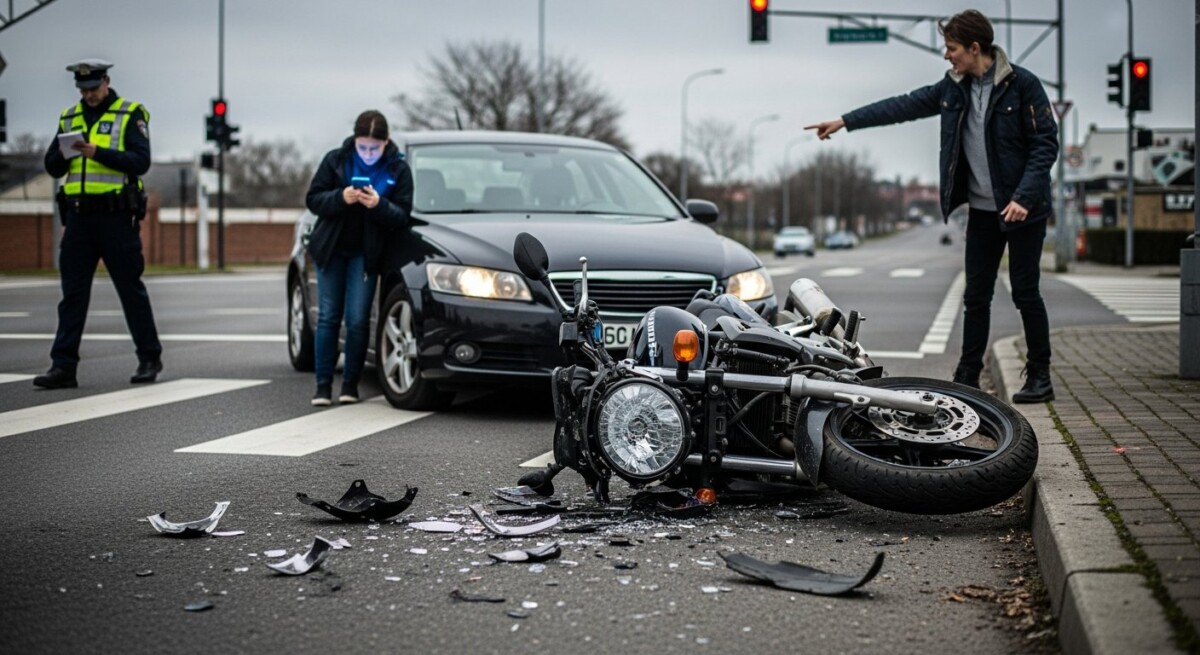
When a motorcycle accident upends your life, the road to recovery can feel overwhelming. Medical bills pile up, insurance companies call constantly, and you may be unsure who to hold accountable. Understanding the common causes of these crashes and the legal options available to you is the first step toward protecting your rights and securing fair compensation. This article breaks down why motorcycle accidents happen and how a skilled attorney can help you navigate the claims process.
The Most Common Causes of Motorcycle Accidents
Motorcycle accidents rarely stem from a single factor. Instead, they often result from a combination of driver error, road conditions, and mechanical failures. Recognizing these causes helps you build a stronger case and identify the responsible parties.
Driver Negligence and Distracted Driving
Car and truck drivers frequently fail to see motorcyclists due to distractions like texting, eating, or adjusting the radio. A driver who changes lanes without checking blind spots or makes a left turn in front of an oncoming motorcycle is often at fault. This type of negligence accounts for a large percentage of motorcycle collisions. In many states, the law requires drivers to exercise reasonable care toward all vehicles, including motorcycles. When they fail to do so, they may be liable for damages.
Speeding and Reckless Driving
Excessive speed reduces reaction time and increases the severity of impact. A driver who is speeding, weaving through traffic, or disregarding traffic signals creates a hazardous environment for motorcyclists. Similarly, a motorcyclist who speeds may share liability, but the larger vehicle often bears greater responsibility for causing injury. An experienced attorney can evaluate the facts and apportion fault correctly.
Road Hazards and Environmental Factors
Potholes, uneven pavement, loose gravel, wet leaves, and debris pose unique dangers to motorcycles. Unlike cars, motorcycles require constant balance and traction. A sudden road hazard can cause a rider to lose control and crash. Government entities responsible for road maintenance may be liable if they failed to repair known hazards or warn drivers. However, suing a government agency involves strict deadlines and procedural rules, making legal representation essential.
Mechanical Defects and Product Liability
Faulty brakes, tire blowouts, defective suspension systems, or malfunctioning lights can cause catastrophic accidents. When a manufacturing defect or design flaw is to blame, the motorcycle manufacturer or parts supplier may be held liable. Product liability claims require expert analysis of the defect and proof that it directly caused the crash. A lawyer can coordinate with engineers and accident reconstruction specialists to build this case.
Drunk or Impaired Driving
Alcohol and drug impairment remains a leading cause of traffic fatalities, including motorcycle crashes. An impaired driver may swerve, fail to brake, or ignore traffic laws. In these cases, evidence of intoxication (such as a failed breathalyzer test or police report) strengthens a negligence claim and may support a demand for punitive damages.
Legal Options After a Motorcycle Accident
Once you understand what caused your crash, the next step is exploring your legal avenues. The right strategy depends on the facts of your case, the severity of your injuries, and the insurance coverage available.
Filing an Insurance Claim
Most motorcycle accident cases begin with a claim against the at-fault driver’s insurance. You can seek compensation for medical expenses, lost wages, property damage, and pain and suffering. However, insurance adjusters often attempt to minimize payouts by disputing liability or downplaying injuries. Having legal representation levels the playing field. In our guide on car accident lawyer vs insurance adjuster key differences, we explain how an attorney counters these tactics.
Personal Injury Lawsuit
If the insurance company refuses to offer a fair settlement, you may file a personal injury lawsuit. This legal action allows you to present evidence in court and seek a jury verdict. Lawsuits can recover both economic damages (medical bills, lost income) and non-economic damages (pain and suffering, loss of enjoyment of life). In cases involving egregious misconduct, punitive damages may also be available. A lawsuit must be filed within the statute of limitations, which varies by state (typically one to three years). Missing this deadline can bar you from recovery entirely.
Claims Against Government Entities
If a poorly maintained road caused your accident, you might have a claim against the city, county, or state. These claims come with unique requirements, such as filing a notice of claim within a short time frame (often 30 to 90 days). An attorney familiar with these procedures can ensure your paperwork is submitted correctly. For example, if you are in Arizona, you may want to consult resources on best motorcycle accident attorneys in Phoenix to find local expertise.
Product Liability Claims
When a mechanical defect caused your crash, you can sue the manufacturer, distributor, or retailer. These claims do not require proof of negligence, only that the product was defective and unreasonably dangerous. You must show that the defect existed when the product left the manufacturer’s control and that it caused your injuries. Expert testimony is often critical in these cases.
How a Motorcycle Accident Lawyer Builds Your Case
Navigating the legal system after a serious injury is complex. A dedicated motorcycle accident lawyer handles the heavy lifting so you can focus on healing. Here are the key steps they take:
- Investigate the crash scene: They gather police reports, witness statements, traffic camera footage, and photographs of the scene.
- Preserve evidence: They secure the motorcycle for inspection, obtain medical records, and request maintenance logs if a defect is suspected.
- Calculate damages: They quantify your full losses, including future medical care, lost earning capacity, and non-economic harms.
- Negotiate with insurers: They handle all communication with insurance companies and push back against lowball offers.
- Litigate when necessary: If a fair settlement cannot be reached, they file a lawsuit and represent you in court.
Each of these steps requires legal knowledge and negotiation skills. Without an attorney, you may inadvertently accept a settlement that fails to cover long-term costs. For instance, a concussion may seem minor initially, but ongoing cognitive therapy and lost work time can add up. A lawyer ensures these future expenses are included in your demand.
Why You Need a Local Attorney
Motorcycle accident laws vary significantly by state. Some states follow comparative negligence rules, which reduce your compensation if you share any fault. Others follow contributory negligence, which bars recovery if you are even one percent at fault. An attorney licensed in your state understands these nuances and can apply them to your case. They also know local court procedures, judges, and insurance adjusters, which can give you an advantage. If you are searching for representation, consider looking at top-rated accident lawyers near me to find qualified professionals in your area.
Frequently Asked Questions
How much does a motorcycle accident lawyer cost?
Most personal injury lawyers work on a contingency fee basis. You pay nothing upfront, and the lawyer receives a percentage of your settlement or verdict (typically 33 to 40 percent). If you do not recover compensation, you owe no attorney fees. This arrangement makes legal representation accessible regardless of your financial situation.
What if I was partly at fault for the crash?
You may still recover compensation if your state uses comparative negligence. The court will assign a percentage of fault to each party, and your damages will be reduced accordingly. For example, if you were 20 percent at fault and your damages are $100,000, you would receive $80,000. An attorney can argue for a lower fault percentage based on the evidence.
How long do I have to file a lawsuit?
The statute of limitations for motorcycle accident claims varies by state, typically ranging from one to three years. Some states have shorter deadlines for claims against government entities. It is critical to consult a lawyer as soon as possible to avoid missing your deadline.
Can I recover compensation if I was not wearing a helmet?
Yes, but your recovery may be affected. In states with mandatory helmet laws, riding without a helmet could be considered negligence and reduce your damages. However, you can still recover for injuries that are unrelated to the lack of a helmet, such as a broken leg. An attorney can help separate these issues.
Take the Next Step Toward Recovery
Motorcycle accidents can leave you physically, emotionally, and financially drained. But you do not have to face the legal system alone. By understanding the common causes of these crashes and the legal options available, you are already better equipped to make informed decisions. Whether you are dealing with a negligent driver, a defective bike, or a dangerous road, a skilled lawyer can fight for the compensation you deserve. If you are in the Chicago area, our resource on Chicago car accident lawyers may help you find trusted local support. Remember, the sooner you seek legal advice, the stronger your case can be. Reach out today for a free case evaluation and take control of your future.

About Pierce Larkin
Recent Posts

Cybercrime Lawyer: When to Hire One and What They Do
Facing cybercrime? A cybercrime lawyer can help you recover and protect your rights. Call (833) 227-7919 to get connected with a qualified attorney.

Fraud Defense Lawyer: Your Rights and Legal Options
Facing fraud charges? A fraud defense lawyer can protect your rights. Call (833) 227-7919 to connect with experienced attorneys today.

Identity Theft Lawyer: When to Hire One and How They Help
Identity theft can wreck your credit and finances. An identity theft lawyer helps you recover. Call us at (833) 227-7919 for a free case review.