
Can Bankruptcy Stop a Lawsuit? Key Facts to Know
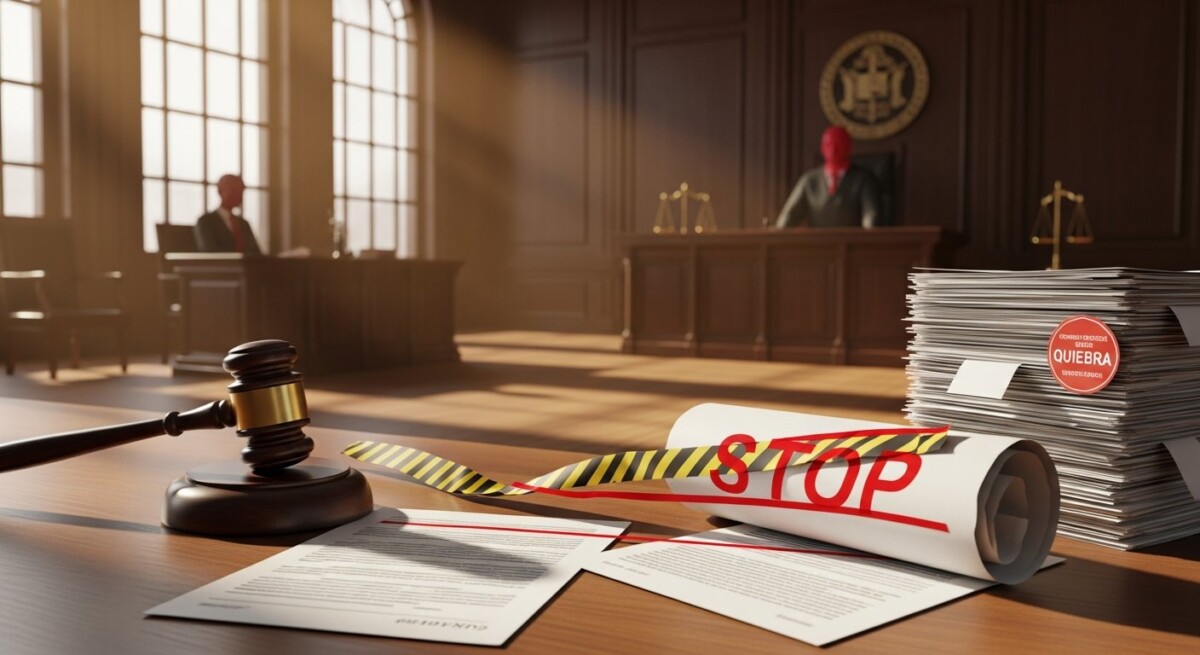
If you are facing a lawsuit and struggling with debt, you may wonder whether filing for bankruptcy can put a stop to the legal proceedings against you. The short answer is yes, but the outcome depends on the type of bankruptcy you file, the nature of the lawsuit, and the timing of your filing. Bankruptcy triggers an automatic stay, a powerful legal tool that halts most collection actions, including many lawsuits. However, not all lawsuits are affected equally. Understanding the nuances can help you make an informed decision about protecting your assets and resolving your financial troubles.
For individuals overwhelmed by medical bills, credit card debt, or a sudden lawsuit, bankruptcy offers a path to a fresh start. The automatic stay goes into effect the moment you file your bankruptcy petition, sending a notice to all creditors and plaintiffs. This stay prohibits them from continuing or initiating legal action against you without permission from the bankruptcy court. While this can provide immediate relief, certain lawsuits, such as those involving criminal charges, child support, or certain tax disputes, may proceed despite the stay. Consulting with a qualified attorney is essential to understand how bankruptcy applies to your specific situation.
How the Automatic Stay Works in Lawsuits
The automatic stay is one of the most important protections bankruptcy offers. When you file for bankruptcy under Chapter 7 or Chapter 13, the court issues an order that stops most creditors and plaintiffs from taking action against you. This includes halting lawsuits, wage garnishments, foreclosures, repossessions, and debt collection calls. The stay applies immediately upon filing, even before the court formally approves your case.
For a lawsuit that is already underway, the automatic stay pauses all proceedings. The plaintiff cannot schedule depositions, file motions, or request a trial date. In many cases, the lawsuit is eventually discharged along with other eligible debts, meaning you are no longer personally liable for the judgment. However, if the lawsuit involves a debt that is non-dischargeable, such as student loans or fraud-related claims, the stay may only delay the case until the bankruptcy is resolved. After your bankruptcy discharge, the plaintiff may seek permission from the court to continue the lawsuit.
Exceptions to the Automatic Stay
While the automatic stay is broad, certain legal actions are exempt. These include:
- Criminal proceedings against you, including ongoing investigations or trials.
- Actions to establish paternity or enforce child support and alimony obligations.
- Certain tax proceedings, such as audits or assessments by government agencies.
- Lawsuits to recover property that you do not own, such as landlord evictions in some cases.
If a plaintiff believes the stay was filed in bad faith or that their case qualifies for an exception, they can file a motion with the bankruptcy court to lift the stay. If the court agrees, the lawsuit can resume. For example, if you file bankruptcy solely to delay a foreclosure sale without any intention of reorganizing your debts, the lender may successfully argue for relief from the stay.
Chapter 7 vs. Chapter 13: Which Stops a Lawsuit?
The type of bankruptcy you file influences how effectively it stops a lawsuit. Chapter 7 bankruptcy, often called liquidation bankruptcy, involves selling non-exempt assets to pay creditors. It typically takes three to six months to complete. For most unsecured debts, including credit card balances and medical bills, a Chapter 7 discharge permanently eliminates your personal liability. If a lawsuit is based on such a debt, the automatic stay stops the case, and the discharge prevents the plaintiff from ever collecting the judgment.
However, Chapter 7 does not always stop lawsuits involving secured debts, such as a mortgage or car loan. If you are behind on payments, the lender may eventually obtain relief from the stay to repossess the property. Additionally, if the lawsuit alleges fraud, intentional harm, or other willful misconduct, the debt may be deemed non-dischargeable. In such cases, the lawsuit may resume after the bankruptcy closes. In our guide on can bankruptcy stop an eviction in New York, we explain how state-specific laws interact with bankruptcy protection.
Chapter 13 bankruptcy, on the other hand, involves a repayment plan lasting three to five years. It is designed for individuals with regular income who want to catch up on missed payments without losing assets. The automatic stay in Chapter 13 is often more powerful than in Chapter 7. It can stop lawsuits related to non-dischargeable debts, such as tax liens or domestic support obligations, by allowing you to pay them over time through the plan. Chapter 13 can also stop foreclosure proceedings and allow you to reinstate your mortgage by making past-due payments through the plan.
For lawsuits involving personal injury claims, Chapter 13 may provide a way to settle the debt without losing assets. For example, if you are being sued for damages from a car accident, Chapter 13 can include the judgment as part of your repayment plan. Once you complete the plan, any remaining balance on dischargeable debts is forgiven. However, debts arising from drunk driving accidents or intentional injuries are generally not dischargeable. For more details on how bankruptcy interacts with property-related lawsuits, see our article on can filing bankruptcy stop a Nevada foreclosure sale.
Lawsuits That Bankruptcy Cannot Stop or Discharge
Not all lawsuits are affected by bankruptcy. Certain types of debts and legal actions are specifically excluded from discharge under the Bankruptcy Code. Understanding these exceptions is critical before filing. If your lawsuit falls into one of these categories, bankruptcy may only delay the case rather than eliminate it.
Debts that are presumptively non-dischargeable include:
- Student loans, unless you can prove undue hardship in an adversary proceeding.
- Most tax debts, especially income taxes less than three years old or those where you filed a fraudulent return.
- Child support and alimony obligations.
- Debts incurred through fraud, embezzlement, or larceny.
- Debts resulting from willful and malicious injury to another person or property.
- Fines and penalties owed to government agencies.
If the lawsuit against you is based on any of these debts, the plaintiff can ask the bankruptcy court to lift the stay and proceed with the case. For example, if you are being sued for defrauding a business partner, the debt may be considered non-dischargeable. The lawsuit will pause during the bankruptcy, but once the stay is lifted, the case can continue to trial. If the plaintiff wins, the judgment survives the bankruptcy, and you remain liable.
Similarly, lawsuits seeking injunctive relief rather than monetary damages are often unaffected by bankruptcy. For instance, if a neighbor sues you to stop a nuisance on your property, the bankruptcy court may not interfere with that type of equitable remedy. The automatic stay applies primarily to claims for money, not to actions that seek to enforce property rights or prevent future harm.
When Filing Bankruptcy Can Backfire in a Lawsuit
While bankruptcy can stop a lawsuit, it is not always the best strategy. In some cases, filing bankruptcy can create new problems or worsen your legal situation. For example, if you file bankruptcy after a lawsuit has already resulted in a judgment, the judgment may be discharged, but the legal fees and court costs incurred by the plaintiff may not be. Additionally, if the plaintiff believes you filed bankruptcy in bad faith solely to avoid paying a legitimate debt, they can ask the court to dismiss your case or deny the discharge of that specific debt.
Another risk involves fraudulent transfers. If you transferred assets to a friend or family member before filing bankruptcy to keep them out of the lawsuit, the bankruptcy trustee can undo those transfers. The trustee can sell the assets to pay your creditors, including the plaintiff in the lawsuit. This can actually make your situation worse, as you lose both the lawsuit and the assets you tried to protect. For homeowners facing foreclosure, understanding the interplay between bankruptcy and property rights is crucial. Learn more in our piece on can bankruptcy stop foreclosure for homeowners.
Finally, if the lawsuit is based on a debt that is clearly non-dischargeable, filing bankruptcy may only delay the inevitable. You will still owe the debt after the bankruptcy, and you will have spent time and money on legal fees for the bankruptcy case. In such situations, it may be better to negotiate a settlement with the plaintiff or defend the lawsuit directly rather than seeking bankruptcy protection.
Steps to Take If You Are Sued and Considering Bankruptcy
If you are currently being sued and thinking about bankruptcy, follow these steps to protect your rights and make an informed decision.
First, consult with an attorney who specializes in both bankruptcy law and the type of lawsuit you are facing. An experienced lawyer can evaluate whether the lawsuit debt is dischargeable and whether the automatic stay will effectively stop the case. They can also help you choose between Chapter 7 and Chapter 13 based on your income, assets, and goals.
Second, gather all documents related to the lawsuit and your debts. This includes the complaint, court filings, correspondence with the plaintiff’s attorney, and any judgments or settlements. You will need this information to complete your bankruptcy petition accurately.
Third, consider the timing of your bankruptcy filing. If you file before a judgment is entered, you may avoid the judgment entirely. If you file after a judgment, the debt may still be dischargeable, but the judgment may appear on your credit report. In some cases, filing before a trial can save you significant legal fees.
Fourth, be honest about your assets and debts. Bankruptcy trustees investigate your financial history. Hiding assets or lying on your petition can result in your case being dismissed or even criminal charges. Full disclosure is essential for a successful bankruptcy.
Finally, understand that bankruptcy is not a cure-all. It can stop a lawsuit and give you a fresh start, but it also has long-term consequences for your credit score and financial reputation. Weigh the benefits against the drawbacks with the help of a qualified legal professional.
Frequently Asked Questions
Can bankruptcy stop a lawsuit that is already in trial?
Yes, the automatic stay stops all proceedings in a civil lawsuit, including those in the middle of trial. The court must pause the case until the stay is lifted or the bankruptcy is resolved. However, if the lawsuit involves a non-dischargeable debt, the trial may resume after the bankruptcy closes.
Will bankruptcy stop a lawsuit for personal injury?
It depends on the circumstances. If the personal injury claim is against you and stems from negligence, the debt may be dischargeable in Chapter 7 or Chapter 13. However, if the injury resulted from drunk driving or intentional harm, the debt is likely non-dischargeable, and the lawsuit can continue after the bankruptcy.
Can I file bankruptcy to stop a lawsuit and keep my house?
In many cases, yes. Chapter 7 allows you to exempt a certain amount of equity in your home, while Chapter 13 lets you catch up on missed mortgage payments through a repayment plan. If the lawsuit is based on unsecured debt, bankruptcy can stop the lawsuit and protect your home from seizure to satisfy that debt.
How long does the automatic stay last in a lawsuit?
The automatic stay remains in effect until your bankruptcy case is closed, dismissed, or a creditor obtains relief from the stay. In Chapter 7, this is typically three to six months. In Chapter 13, the stay lasts for the duration of your repayment plan, which is three to five years.
Can I file bankruptcy if I am being sued for fraud?
Yes, you can file bankruptcy even if you are being sued for fraud. However, debts arising from fraud are generally non-dischargeable. The automatic stay will temporarily stop the lawsuit, but the plaintiff can ask the court to lift the stay and continue the case. If the court finds that the debt is based on fraud, you will still owe the judgment after bankruptcy.
Facing a lawsuit can be stressful, but bankruptcy offers a legal mechanism to pause or eliminate many types of debt-related claims. By understanding the automatic stay and the exceptions that apply, you can make a strategic decision about whether bankruptcy is right for you. For personalized guidance, contact LawyerCaseReview to connect with an experienced bankruptcy attorney who can evaluate your case. Call us at (833) 227-7919 for a free consultation and take the first step toward protecting your financial future.

About Pierce Larkin
Recent Posts

Cybercrime Lawyer: When to Hire One and What They Do
Facing cybercrime? A cybercrime lawyer can help you recover and protect your rights. Call (833) 227-7919 to get connected with a qualified attorney.

Fraud Defense Lawyer: Your Rights and Legal Options
Facing fraud charges? A fraud defense lawyer can protect your rights. Call (833) 227-7919 to connect with experienced attorneys today.

Identity Theft Lawyer: When to Hire One and How They Help
Identity theft can wreck your credit and finances. An identity theft lawyer helps you recover. Call us at (833) 227-7919 for a free case review.