
Can Filing Bankruptcy Stop a Nevada Foreclosure Sale
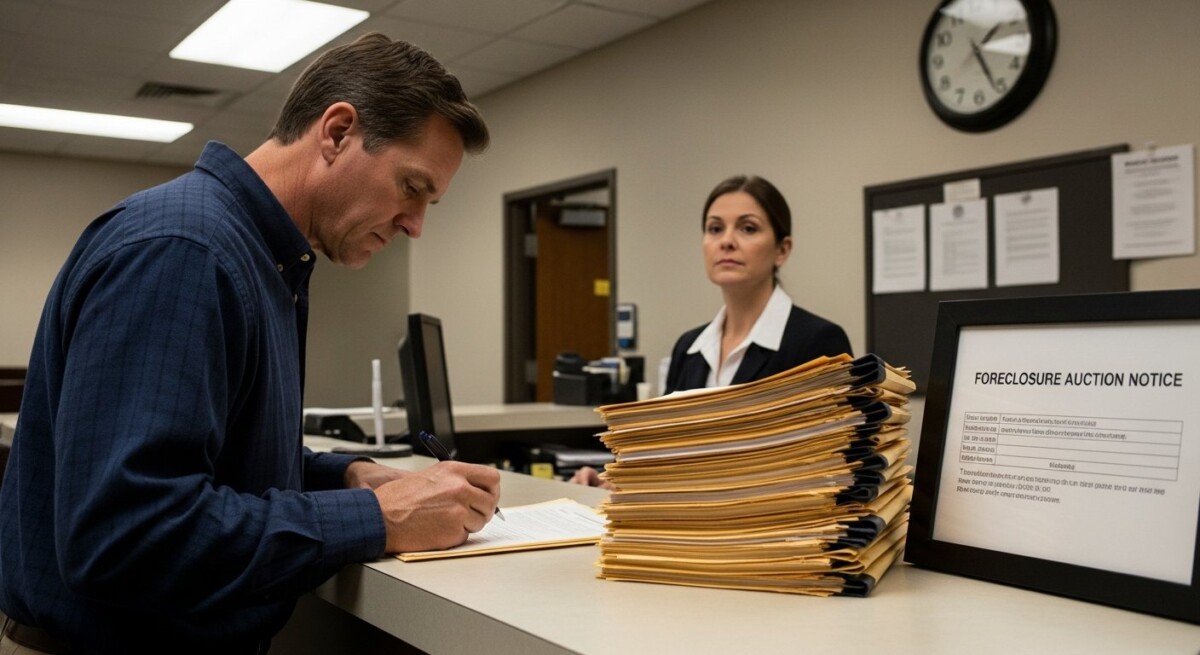
Facing a foreclosure auction in Nevada can feel like watching the final seconds tick away on your home. The county courthouse steps or the auctioneer’s podium mark a point of no return for many homeowners. Yet Nevada law and federal bankruptcy code provide a powerful lever that can halt this process instantly. The question is not whether bankruptcy can stop a sale, but whether you can act quickly enough and choose the right chapter to protect your property. In Nevada, the moment a bankruptcy petition is filed, an automatic stay goes into effect, stopping almost all collection actions, including foreclosure sales. This legal shield buys you time, but it also demands immediate understanding of your options and obligations.
Bankruptcy is a federal court process that gives you a fresh financial start while treating creditors fairly. For Nevada homeowners facing foreclosure, the automatic stay is your emergency brake. It stops the trustee’s sale, prevents the lender from taking further action, and gives you breathing room to reorganize your debts or negotiate a loan modification. However, the stay is not permanent. It can be lifted by the lender if you fail to act, and the type of bankruptcy you file determines whether you can save your home or must surrender it. The key is to file before the sale occurs, because after the auction, the property is gone.
This article explains how bankruptcy can immediately stop a foreclosure sale in Nevada, what steps you must take, and how to use this tool effectively to keep your home or exit gracefully. We cover the differences between Chapter 7 and Chapter 13, the role of the automatic stay, and the critical deadlines you cannot afford to miss. If you are facing a trustee’s sale in Clark County, Washoe County, or anywhere in Nevada, understanding these rules could mean the difference between keeping your home and losing it.
How the Automatic Stay Halts Foreclosure Instantly
When you file any bankruptcy petition, the court issues an automatic stay that goes into effect immediately. This stay is a court order prohibiting creditors from taking any action to collect debts, including starting or continuing a foreclosure. In Nevada, nonjudicial foreclosures are common, meaning the lender does not need a court order to sell your home. The trustee can schedule a sale on the courthouse steps with just a notice of default and a notice of sale. The automatic stay stops that sale cold, even if it is scheduled for later the same day.
The stay is effective the moment the bankruptcy petition is filed with the court. You do not need to wait for a judge’s signature or a hearing. The clerk stamps your filing, and the stay is in place. Your attorney can file electronically, and within minutes, the foreclosure trustee must cancel the sale. This is why bankruptcy is considered one of the most powerful tools to stop a foreclosure sale immediately. In our guide on Stop Foreclosure in Nevada Using Chapter 13 Bankruptcy, we explain how the automatic stay works step by step.
However, there are important limitations. The stay does not apply if you have filed multiple bankruptcy cases within the previous year. If you filed a case that was dismissed within the last 365 days, the stay may only last 30 days unless you ask the court to extend it. If you have two or more cases dismissed within the prior year, no automatic stay goes into effect at all, and you must file a motion with the court to get a stay. This makes timing and prior filings critical. If you have a history of bankruptcy filings, you cannot rely on the automatic stay without additional court action.
Chapter 7 Bankruptcy: Immediate Halt but Limited Long-Term Protection
Chapter 7 bankruptcy, also known as liquidation bankruptcy, can stop a foreclosure sale immediately. The automatic stay halts the sale the moment you file. However, Chapter 7 does not provide a long-term solution for keeping your home unless you are current on your mortgage payments or can become current quickly. In Chapter 7, the bankruptcy trustee takes control of your nonexempt assets, sells them, and distributes the proceeds to creditors. Your home is only protected if you can claim a homestead exemption that covers your equity.
Nevada’s homestead exemption allows you to protect up to $605,000 of equity in your primary residence if you have owned the home for at least 1,215 days before filing. If you have owned the home for less time, the federal exemption cap of $189,050 may apply. If your equity exceeds the exemption, the trustee can sell the home to pay unsecured creditors. Even if your equity is fully exempt, you must stay current on your mortgage payments. If you are behind, the lender can ask the bankruptcy court to lift the automatic stay and proceed with foreclosure. Chapter 7 does not allow you to catch up on missed payments over time.
For most Nevada homeowners facing foreclosure, Chapter 7 is a temporary stopgap. It stops the sale and gives you a few months to find alternative housing or negotiate with the lender. But if you want to keep your home and catch up on arrears, Chapter 13 is usually the better option. The automatic stay in Chapter 7 typically lasts until the case is closed, which is about four to six months. During that time, you must either reaffirm the mortgage debt, redeem the property, or surrender it. If you do nothing, the lender will eventually get court permission to proceed.
Chapter 13 Bankruptcy: A Path to Catch Up and Keep Your Home
Chapter 13 bankruptcy is designed for individuals with regular income who want to pay back some or all of their debts over time. It is often called the wage earner’s plan, and it is the most effective tool for stopping a foreclosure sale and keeping your home in Nevada. When you file Chapter 13, the automatic stay goes into effect immediately, stopping the sale. But unlike Chapter 7, Chapter 13 allows you to propose a repayment plan that spreads your missed mortgage payments over three to five years.
Under a Chapter 13 plan, you must make your regular ongoing mortgage payments directly to the lender outside the plan. The arrears, or the total amount you are behind, are paid through the plan over 36 to 60 months. As long as you make the plan payments and the ongoing mortgage payments, the lender cannot foreclose. This gives you time to cure the default and reinstate your mortgage. If you can demonstrate that you can afford the plan payments, the court will confirm your plan, and you can keep your home.
Chapter 13 also offers additional benefits. It can strip off junior liens if the property is worth less than the first mortgage balance. It can stop high-interest second mortgages from accelerating. It can also protect cosigners on mortgage debts. However, the plan must be feasible, meaning your disposable income must be sufficient to cover the arrears and ongoing payments. If you lose your job or fall behind on plan payments, the lender can ask the court to lift the stay and foreclose. Success in Chapter 13 requires discipline and a realistic budget.
Timing Is Everything: File Before the Sale
The most critical rule in Nevada foreclosure law is that bankruptcy must be filed before the foreclosure sale occurs. Once the trustee’s sale is completed and the property is transferred to the new owner, bankruptcy cannot undo the sale in most cases. The automatic stay does not apply to property that has already been sold. You cannot use bankruptcy to get your home back after the auction. The only exception is if the sale was fraudulent or if you can prove that the lender violated the law, but those cases are rare and difficult.
Nevada law requires the trustee to record a notice of sale at least 21 days before the auction. This gives you a clear deadline. The sale is typically scheduled between 11:00 a.m. and 2:00 p.m. on a weekday. If you file your bankruptcy petition before the auction starts, the stay goes into effect and the sale must be canceled. If you file after the auction, even by minutes, the property is gone. This is why you must act immediately when you receive a notice of sale. Do not wait until the day before. File as soon as you know you cannot catch up on payments.
Many Nevada homeowners wait until the last minute, hoping for a loan modification or a miracle. By the time they call a bankruptcy attorney, the sale is hours away. While a same-day filing is possible, it leaves no room for error. Electronic filing systems can fail, documents can be rejected, and court clerks can be overwhelmed. Filing early gives you time to prepare a complete petition, gather required documents, and ensure the stay is effective. If you are within days of a sale, contact an attorney immediately. In our article on Stop Foreclosure in Nevada Using Chapter 13 Bankruptcy, we cover the exact steps to file quickly and correctly.
Steps to Stop a Foreclosure Sale with Bankruptcy in Nevada
If you decide to use bankruptcy to stop a foreclosure sale, you must follow a specific process. The steps are straightforward but require attention to detail. Here is a step-by-step guide:
- Consult with a Nevada bankruptcy attorney immediately. Do not try to file without legal help. One mistake can cost you your home. An attorney will review your finances, determine the best chapter for your situation, and prepare the petition.
- Gather your financial documents. You will need pay stubs, tax returns, bank statements, mortgage statements, and a list of all debts and assets. The more complete your information, the faster your attorney can file.
- Complete credit counseling. Before you can file bankruptcy, you must complete a credit counseling course from an approved provider. This takes about one to two hours online and costs around $30. Your attorney can provide a list of approved agencies.
- File the bankruptcy petition electronically. Your attorney will file the petition, schedules, and the credit counseling certificate with the bankruptcy court. Once filed, the automatic stay takes effect immediately. The foreclosure trustee must cancel the sale.
- Serve notice on the lender and trustee. Your attorney will notify the lender and the foreclosure trustee that you have filed bankruptcy. This ensures they do not proceed with the sale in error. If they proceed after notice, they may be held in contempt of court.
After filing, you must attend the meeting of creditors, also called the 341 meeting, about 30 to 45 days later. In Chapter 13, you must also file a repayment plan within 14 days of filing. If you fail to complete these steps, the stay can be lifted, and the foreclosure can resume. The automatic stay is powerful, but it is not a free pass. You must actively participate in the bankruptcy process to keep the stay in place.
What Happens After the Stay: Risks and Limitations
While the automatic stay stops the foreclosure sale immediately, it does not eliminate your mortgage debt or the lender’s right to foreclose. The stay is a temporary pause. If you do not use that time to catch up on payments or reach a resolution, the lender can ask the bankruptcy court to lift the stay. In Nevada, lenders frequently file motions for relief from stay, especially if you have no equity in the property or if you cannot demonstrate a feasible plan to cure the default.
The court will grant relief from stay if the lender can show that you have no equity in the property and that the property is not necessary for an effective reorganization. In Chapter 7, relief is almost always granted if you are behind on payments. In Chapter 13, the court will usually give you a chance to propose a plan, but if the plan is not filed on time or is not feasible, the stay will be lifted. You have a limited window to prove that you can afford to keep the home.
Another risk is that filing bankruptcy will appear on your credit report for up to 10 years. This can affect your ability to rent a home, get a car loan, or obtain credit. However, for many homeowners, the alternative is losing their home to foreclosure, which also damages credit and leaves them without shelter. Bankruptcy provides a legal framework to address the debt and potentially save the home, but it is not a decision to take lightly. Weigh the long-term credit impact against the immediate need to stop the sale.
Alternatives to Bankruptcy for Stopping Foreclosure
Bankruptcy is not the only way to stop a foreclosure sale in Nevada, but it is often the fastest and most reliable. Other options include loan modification, forbearance, repayment plans, and filing a lawsuit to challenge the foreclosure. However, these options take time and require lender cooperation. If the sale is imminent, bankruptcy is usually the only tool that can stop the auction immediately.
Loan modification involves negotiating with your lender to change the terms of your mortgage, such as lowering the interest rate or extending the loan term. This can reduce your monthly payment and make it affordable. However, the process can take months, and lenders are not required to modify your loan. Forbearance allows you to pause payments temporarily, but you must repay the missed amounts later. Repayment plans spread the arrears over several months, but you must have enough income to cover the higher payments.
If you have a legal defense to foreclosure, such as the lender failing to follow Nevada’s strict foreclosure procedures, you can file a lawsuit to stop the sale. This is called a temporary restraining order or preliminary injunction. However, these lawsuits are expensive and require strong evidence. Bankruptcy is often the more practical and affordable option, especially if you have no legal defense but need time to catch up.
Frequently Asked Questions
Can I stop a foreclosure sale after the auction?
No. Once the foreclosure sale is completed and the trustee’s deed is recorded, bankruptcy cannot undo the sale in most cases. The property belongs to the new owner. You must file before the auction starts.
How long does the automatic stay last in Nevada?
In an initial bankruptcy filing, the automatic stay lasts until the case is closed, dismissed, or until the court grants relief to the lender. In Chapter 7, this is typically four to six months. In Chapter 13, the stay lasts the duration of the repayment plan, which is three to five years, as long as you make plan payments.
Will bankruptcy stop a foreclosure if I already filed before?
If you filed a bankruptcy case that was dismissed within the last 365 days, the automatic stay may only last 30 days. If you filed two or more cases dismissed within the prior year, no stay goes into effect automatically. You must file a motion with the court to impose a stay. This makes prior filings a significant obstacle.
Do I need an attorney to file bankruptcy in Nevada?
While you can file bankruptcy without an attorney, it is not recommended, especially if you are trying to stop a foreclosure. The rules are complex, and mistakes can result in the loss of your home or the dismissal of your case. An experienced Nevada bankruptcy attorney can ensure the petition is complete and the stay is effective.
How much does it cost to file bankruptcy in Nevada?
The court filing fee for Chapter 7 is $338, and for Chapter 13 it is $313. Attorney fees vary but typically range from $1,200 to $3,500 for Chapter 7 and $3,000 to $5,000 for Chapter 13. Many attorneys offer payment plans. The credit counseling course costs around $30.
Take Action Now to Protect Your Home
Facing a foreclosure sale in Nevada is stressful, but bankruptcy offers a powerful and immediate solution. The automatic stay stops the sale the moment you file, giving you time to reorganize your finances, catch up on missed payments, or negotiate with your lender. Whether you choose Chapter 7 for a fresh start or Chapter 13 to save your home, the key is to act before the auction. Do not wait until the last minute. Contact a Nevada bankruptcy attorney today to discuss your options and file the petition that can stop the foreclosure sale immediately.
If you have already received a notice of sale, time is critical. Every day you delay increases the risk that the auction will proceed and you will lose your home. Bankruptcy is not a magic wand, but it is the most effective legal tool available to stop a foreclosure sale in Nevada. With the right attorney and a timely filing, you can protect your home and your family’s future. For more detailed information on using Chapter 13 to stop foreclosure, see our guide on Stop Foreclosure in Nevada Using Chapter 13 Bankruptcy.
Remember, the automatic stay only works if you file before the sale. Once the auctioneer’s gavel falls, the opportunity is lost. Take the first step today. Schedule a consultation with a Nevada bankruptcy lawyer, gather your documents, and file the petition that will stop the foreclosure sale immediately. Your home is worth the effort.

About Marlowe Sutton
Recent Posts

Cybercrime Lawyer: When to Hire One and What They Do
Facing cybercrime? A cybercrime lawyer can help you recover and protect your rights. Call (833) 227-7919 to get connected with a qualified attorney.

Fraud Defense Lawyer: Your Rights and Legal Options
Facing fraud charges? A fraud defense lawyer can protect your rights. Call (833) 227-7919 to connect with experienced attorneys today.

Identity Theft Lawyer: When to Hire One and How They Help
Identity theft can wreck your credit and finances. An identity theft lawyer helps you recover. Call us at (833) 227-7919 for a free case review.