
Can a Bankruptcy Attorney Stop Foreclosure on Your Home?
Facing a foreclosure notice is one of the most stressful experiences a homeowner can endure. The fear of losing your home, the damage to your credit, and the uncertainty of where your family will live can feel overwhelming. While there are several options to delay or fight foreclosure, one of the most powerful and immediate solutions is filing for bankruptcy. Understanding how a bankruptcy attorney can stop foreclosure on your home is the first step toward regaining control. With the right legal guidance, you may be able to halt the foreclosure process, restructure your debts, and keep your home.
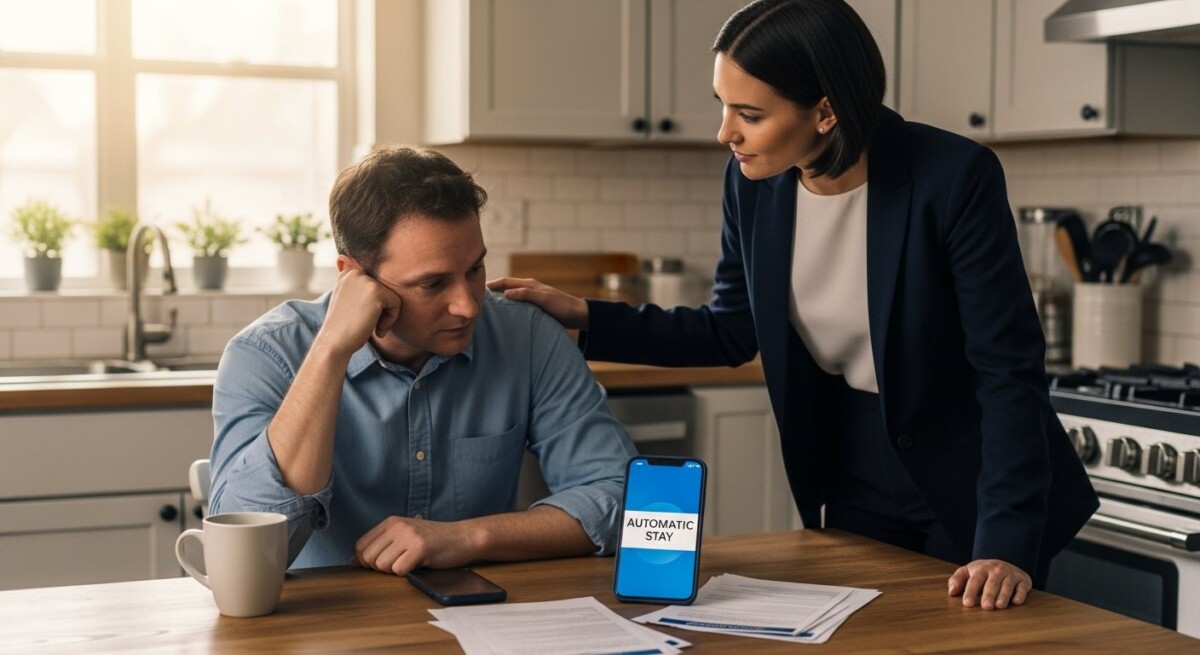
Bankruptcy is often misunderstood as a financial failure, but in reality, it is a legal tool designed to give individuals a fresh start. When you file for bankruptcy, an automatic stay goes into effect immediately. This court order stops most collection actions, including foreclosure sales, wage garnishments, and creditor harassment. A skilled bankruptcy attorney can file the paperwork quickly, often on the same day, to trigger this protection. For homeowners who are behind on mortgage payments, this can buy precious time to catch up or negotiate a loan modification.
At LawyerCaseReview, we connect homeowners with experienced bankruptcy attorneys who understand the urgency of foreclosure situations. Whether you are just a few days behind or facing a sale date next week, a bankruptcy filing can halt the process and give you options. In this article, we will walk through the specific ways bankruptcy stops foreclosure, the differences between Chapter 7 and Chapter 13, and how to choose the right attorney for your situation.
How Bankruptcy Stops Foreclosure Immediately
The moment your bankruptcy petition is filed with the court, the automatic stay takes effect. This is a federal injunction that prohibits creditors, including your mortgage lender, from continuing any collection or foreclosure activity. The foreclosure sale must be canceled, and the lender cannot proceed with eviction or repossession while the stay is in place. This is one of the most powerful features of bankruptcy law and the primary reason how a bankruptcy attorney can stop foreclosure on your home with a single filing.
However, the automatic stay is not permanent. It provides temporary relief while you work through the bankruptcy process. For most homeowners, this window of time is enough to either catch up on missed payments or negotiate a more affordable repayment plan. The key is to act before the foreclosure sale occurs. Once the sale is complete, your ownership rights are extinguished, and bankruptcy may not be able to reverse the transfer. An attorney can review your timeline and file the petition before the sale date to preserve your home.
It is also important to note that if you have filed a previous bankruptcy case within the last year, the automatic stay may last only 30 days. If you have had two or more cases dismissed within the prior year, the stay may not apply at all. This is why speaking with a bankruptcy attorney who can assess your filing history is critical. They can advise you on the best strategy and whether bankruptcy is a viable option given your circumstances.
Chapter 7 Bankruptcy: Wipe Out Unsecured Debt and Protect Your Home
Chapter 7 bankruptcy, often called liquidation bankruptcy, is designed to discharge unsecured debts like credit cards, medical bills, and personal loans. In exchange, the bankruptcy trustee may sell non-exempt assets to pay creditors. However, most homeowners are able to keep their home through Chapter 7 if they have enough equity protected by state or federal exemptions. This is where a bankruptcy attorney’s knowledge of exemption laws becomes invaluable.
If you are behind on mortgage payments, Chapter 7 alone does not automatically allow you to catch up. The automatic stay stops the foreclosure, but you must continue making regular mortgage payments during the case. If you are current on your payments but overwhelmed by other debts, Chapter 7 can free up cash flow by eliminating those obligations. This makes it easier to stay current on your mortgage going forward. In this way, how a bankruptcy attorney can stop foreclosure on your home is by removing the financial pressure that caused the delinquency in the first place.
However, if you are significantly behind on payments and cannot catch up, Chapter 7 may only provide a temporary delay. The lender can ask the court to lift the automatic stay and proceed with foreclosure once the bankruptcy case is closed or dismissed. For homeowners who need time to catch up on missed payments, Chapter 13 is often a better fit. An experienced attorney can help you decide which chapter aligns with your goals and financial situation.
Chapter 13 Bankruptcy: Catch Up on Missed Payments Over Time
Chapter 13 bankruptcy is a reorganization plan for individuals with regular income. It allows you to create a court-approved repayment plan lasting three to five years. During this time, you can catch up on missed mortgage payments through the plan while staying current on ongoing payments. The automatic stay protects you from foreclosure as long as you comply with the plan terms. This is the most direct answer to how a bankruptcy attorney can stop foreclosure on your home and help you keep it long-term.
In a Chapter 13 case, you propose a plan that uses your disposable income to pay arrears on secured debts like your mortgage. The lender receives payments through the bankruptcy trustee, and at the end of the plan, you are current on your mortgage. This is especially helpful if you have fallen behind due to a temporary job loss, medical emergency, or divorce. The plan gives you breathing room to recover financially without losing your home.
Chapter 13 also offers additional benefits. It can stop second mortgage foreclosures and even allow you to strip a wholly unsecured junior lien under certain conditions. This means if your home is worth less than what you owe on the first mortgage, the second mortgage may be treated as unsecured debt and discharged at the end of the plan. A bankruptcy attorney can evaluate your property value and loan balances to determine if lien stripping is possible in your case.
For homeowners in New Jersey, understanding the local bankruptcy process is essential. In our detailed guide on how long a bankruptcy attorney consultation in New Jersey typically takes, we explain what to expect during your initial meeting and how to prepare. This information can help you feel more confident about taking the first step toward filing.
When to Contact a Bankruptcy Attorney
Timing is everything in foreclosure defense. The earlier you contact a bankruptcy attorney, the more options you have. If you have received a demand letter, a notice of default, or a foreclosure summons, do not wait. Even if a sale date has been set, an attorney can often file an emergency bankruptcy petition to stop the sale. Many attorneys offer free initial consultations to evaluate your case and explain how a bankruptcy attorney can stop foreclosure on your home.
Here are key signs that you should contact a bankruptcy attorney immediately:
- You have missed one or more mortgage payments and cannot catch up
- You have received a notice of default or foreclosure lawsuit
- A foreclosure sale date has been scheduled
- You are facing wage garnishment or bank account levies from other creditors
- Your loan modification request has been denied or ignored
Waiting until the day of the sale is risky. While bankruptcy can still be filed that morning, you lose valuable time to prepare and ensure all paperwork is correct. An attorney needs time to gather your financial documents, review your income and expenses, and file a complete petition. The more time you give them, the smoother the process will be.
Additionally, finding the right attorney is crucial. Not all bankruptcy lawyers have the same level of experience with foreclosure cases. You want someone who regularly handles mortgage issues and understands the local court procedures. For help locating a qualified professional, read our guide on how to find the right bankruptcy attorney in your area. This resource offers practical tips for vetting attorneys and ensuring they have the expertise you need.
What to Expect During the Bankruptcy Process
Once you decide to file, the process follows a predictable path. Your attorney will collect information about your income, assets, debts, expenses, and recent financial transactions. They will prepare the bankruptcy petition and schedules, which are filed with the bankruptcy court. After filing, the automatic stay goes into effect, and your creditors are notified of the case.
About 30 to 45 days after filing, you will attend a meeting of creditors, also called a 341 meeting. The bankruptcy trustee will ask you questions about your financial situation under oath. Your attorney will be with you to guide you through the process. For most people, this meeting lasts only 10 to 15 minutes and is straightforward. After the meeting, you complete any required financial management courses, and then you wait for the court to grant your discharge.
In a Chapter 13 case, you will begin making plan payments to the trustee within 30 days of filing. These payments are distributed to your creditors, including your mortgage lender for any arrears. Your attorney will help you set up a budget and ensure the plan is affordable. If your financial situation changes during the plan, modifications may be possible.
It is important to understand that bankruptcy is not a quick fix. It requires commitment and discipline. However, for homeowners who are serious about saving their home, it is one of the most effective legal tools available. An experienced bankruptcy attorney will guide you through every step and advocate for your best interests.
Frequently Asked Questions
Can bankruptcy stop a foreclosure sale that is happening tomorrow?
Yes, an emergency bankruptcy filing can stop a foreclosure sale even on the day it is scheduled. Your attorney can file the petition electronically or in person at the courthouse. Once filed, the automatic stay immediately halts the sale. However, you must act quickly and have all necessary information ready for your attorney.
Will I lose my home if I file for Chapter 7 bankruptcy?
Not necessarily. If your home equity is within the exemption limits allowed by your state, you can keep your home in Chapter 7. You must continue making mortgage payments during and after the case. If you are current on payments and your equity is exempt, Chapter 7 can eliminate other debts without forcing you to sell your home.
How long does the automatic stay last in a foreclosure case?
The automatic stay lasts for the duration of your bankruptcy case. In Chapter 7, this is typically three to four months. In Chapter 13, it can last three to five years. However, a lender can file a motion to lift the stay if you fail to make ongoing mortgage payments or if the property has no equity. Your attorney can defend against such motions and help you stay in compliance.
Can I file for bankruptcy more than once to stop foreclosure?
Yes, but there are restrictions. If a previous bankruptcy case was dismissed within the last year, the automatic stay may only last 30 days. If you have had two or more cases dismissed within the prior year, the stay may not go into effect at all. Filing multiple times without a genuine change in circumstances may also be viewed as bad faith by the court. An attorney can advise you on whether a subsequent filing is advisable.
Will bankruptcy affect my credit score?
Yes, bankruptcy will negatively impact your credit score. A Chapter 7 bankruptcy stays on your credit report for 10 years, and Chapter 13 stays for 7 years. However, foreclosure alone also severely damages your credit. For many homeowners, the long-term benefit of saving their home and stabilizing their finances outweighs the temporary credit impact. Over time, you can rebuild your credit with responsible financial habits.
Do I need a lawyer to file for bankruptcy?
While it is possible to file without a lawyer, it is not recommended, especially when your home is at stake. Bankruptcy laws are complex, and mistakes in paperwork or exemptions can lead to losing your property. A bankruptcy attorney ensures your case is filed correctly, maximizes your exemptions, and represents you in court. The cost of an attorney is often a worthwhile investment to protect your most valuable asset.
Take Action to Protect Your Home
Foreclosure does not have to be the end of the road. With the right legal strategy, you can stop the process and create a path toward financial stability. Understanding how a bankruptcy attorney can stop foreclosure on your home is the first step, but taking action is what makes the difference. Whether you choose Chapter 7 or Chapter 13, the automatic stay provides immediate relief and a chance to reorganize your finances.
If you are facing foreclosure, do not wait until it is too late. Contact a qualified bankruptcy attorney today to discuss your options. For homeowners in New York, our article on Long Island Chapter 13 bankruptcy attorneys and your repayment plan provides specific insights into how Chapter 13 works in that region. The sooner you seek help, the more control you will have over the outcome.
At LawyerCaseReview, we are here to connect you with experienced bankruptcy attorneys who can evaluate your situation and help you make informed decisions. Losing your home is not inevitable. With professional legal support, you can fight back, protect your family, and secure a fresh financial start.

About August Redford
Recent Posts

Cybercrime Lawyer: When to Hire One and What They Do
Facing cybercrime? A cybercrime lawyer can help you recover and protect your rights. Call (833) 227-7919 to get connected with a qualified attorney.

Fraud Defense Lawyer: Your Rights and Legal Options
Facing fraud charges? A fraud defense lawyer can protect your rights. Call (833) 227-7919 to connect with experienced attorneys today.

Identity Theft Lawyer: When to Hire One and How They Help
Identity theft can wreck your credit and finances. An identity theft lawyer helps you recover. Call us at (833) 227-7919 for a free case review.