
Creditor Calls After Filing Bankruptcy in Illinois: Your Rights
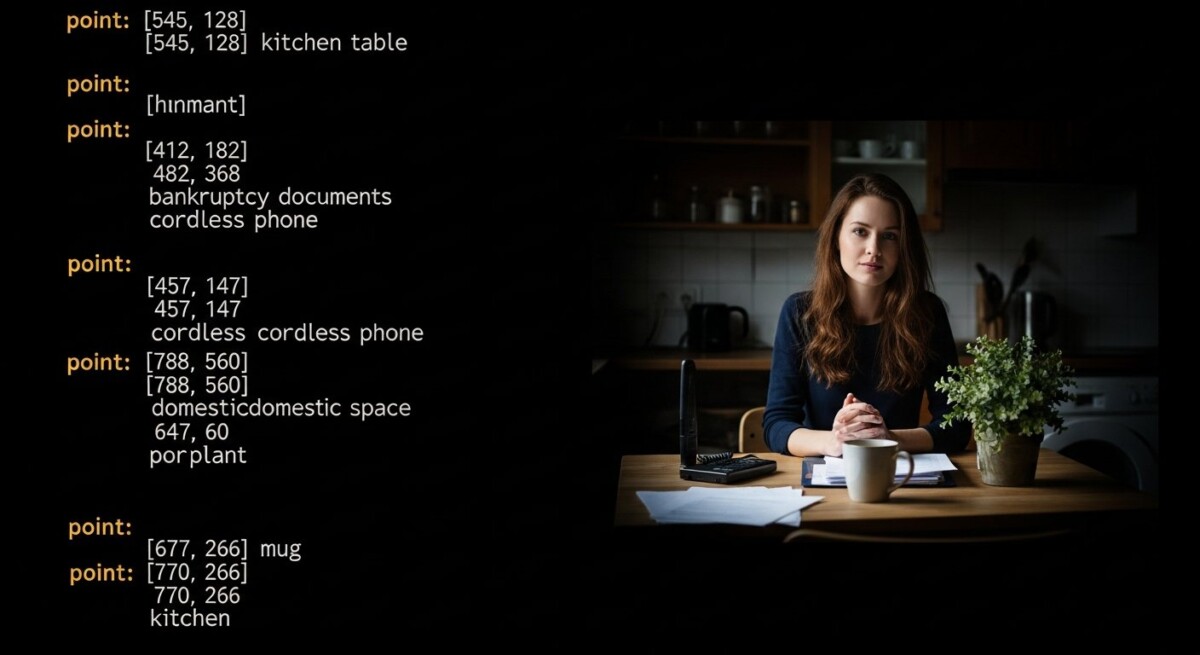
You filed for bankruptcy in Illinois to get a fresh start and stop the relentless collection calls. Yet, the phone keeps ringing. A creditor or debt collector is demanding payment, ignoring the fact that you have active bankruptcy case. This situation is not just frustrating, it is a serious violation of federal law. The moment your bankruptcy petition is filed with the court, an injunction known as the “automatic stay” goes into effect. This powerful legal order requires all creditors to immediately halt all collection activities, including phone calls, letters, wage garnishments, and lawsuits. If a creditor continues collection calls after filing in Illinois, they are willfully violating this court order, and you have significant rights and remedies to stop the harassment and potentially seek damages.
Understanding the Automatic Stay in Illinois Bankruptcy
The automatic stay is one of the most immediate and powerful benefits of filing for bankruptcy, whether under Chapter 7 or Chapter 13. It acts as a legal shield, stopping most collection actions dead in their tracks. The stay is automatic, meaning it takes effect the instant your petition is time-stamped by the bankruptcy court clerk. Creditors are legally obligated to cease all communication aimed at collecting a debt the moment they receive notice of your filing. This includes third-party debt collectors who may have been hired by the original creditor. The purpose is to provide you with breathing room, allowing you and your attorney to work through the bankruptcy process without external pressure. It also ensures the orderly and fair administration of your estate for the benefit of all creditors.
Common actions prohibited by the automatic stay include making collection calls, sending demand letters or past-due notices, filing or continuing a lawsuit against you, enforcing a judgment (like a bank levy), repossessing property, garnishing wages, or even reporting the debt as delinquent to credit bureaus. There are limited exceptions, such as certain criminal proceedings, child support actions, or tax audits, but routine consumer debt collection is unequivocally covered. If you are navigating the complexities of protecting assets, our resource on Illinois bankruptcy and investment property explains how the stay interacts with different asset types.
What to Do When a Creditor Violates the Stay in Illinois
If you receive a collection call after your bankruptcy filing date, do not panic, but do not ignore it. Your first step should be to calmly and clearly inform the caller that you have filed for bankruptcy. Provide them with your bankruptcy case number, the district where it was filed (e.g., Northern District of Illinois), and the date of filing. Often, the call is a result of a lag in the creditor’s internal systems, and providing this information will prompt them to update their records and stop the calls. It is prudent to follow up this verbal notice with written documentation. Send a letter via certified mail, return receipt requested, stating the same facts and including a copy of your bankruptcy petition’s first page (the “face sheet”) or the official court notice. This creates a paper trail.
If the calls persist after you have provided notice, the violation becomes willful. At this point, you must take formal action. The primary remedy is to file a motion for sanctions against the creditor in the bankruptcy court that is handling your case. This motion asks the judge to find the creditor in contempt of court for violating the automatic stay. To succeed, you will need to demonstrate that the creditor had knowledge of the bankruptcy filing and intentionally took an action that violated the stay. Your documented phone logs, copies of letters, and certified mail receipts become critical evidence.
When dealing with a creditor who is aggressively challenging your actions, it is important to understand all potential disputes. For instance, if a creditor objects to exemptions in Illinois, it is a separate legal process that does not allow them to resume collection calls.
Potential Consequences for the Creditor
The bankruptcy court takes violations of the automatic stay very seriously. If the court finds that a creditor willfully violated the stay, it has broad authority to impose sanctions designed to make you whole and punish the misconduct. The possible consequences for the creditor can be severe and are meant to serve as a deterrent.
- Actual Damages: The court can order the creditor to pay you for any real financial harm you suffered due to the violation. This could include costs like attorney’s fees you incurred to stop the harassment, lost wages if you had to take time off work to deal with the issue, or even damages for emotional distress in egregious cases.
- Punitive Damages: In cases of particularly malicious or egregious conduct, the court may award punitive damages. These are not tied to your specific losses but are intended to punish the creditor and send a message to others. The amount can be significant.
- Court Costs and Attorney’s Fees: The creditor will almost certainly be ordered to pay the reasonable attorney’s fees and costs you accrued in bringing the motion for sanctions. This ensures you are not financially penalized for enforcing your rights.
- Contempt of Court: The judge can hold the creditor in civil contempt, which may involve daily fines until they comply with the court’s orders to cease all collection activity.
These remedies underscore the strength of the automatic stay. It is not a mere suggestion, it is a court order with teeth. Successfully navigating a bankruptcy requires understanding all requirements, such as completing a mandatory debtor education course. If you have concerns about this step, our article on failing debtor education in Illinois outlines the critical importance of this final requirement.
Frequently Asked Questions (FAQ)
What if the creditor says they never received the official notice from the court?
While the court sends notices, a creditor is deemed to have knowledge of the bankruptcy once you inform them directly. Providing your case number and filing date puts the obligation on them to verify the filing and cease collection. Continued calls after your direct notification constitute a willful violation.
Can a creditor call me about debts that are not discharged in bankruptcy?
Certain debts, like recent taxes, student loans (in most cases), and domestic support obligations, may not be dischargeable. However, the automatic stay still applies to all collection activity at the start of the case. For these non-dischargeable debts, creditors must typically seek relief from the stay from the judge before resuming collection, which rarely happens in a consumer case. They must wait until after your discharge is entered (or the case is closed) to resume collection efforts on those specific debts.
What about calls regarding a car loan if I want to keep the car?
If you are reaffirming the debt (agreeing to keep paying on the loan to keep the collateral), the creditor or its loan servicer may contact you solely to discuss or negotiate the reaffirmation agreement. They cannot threaten repossession or demand payment outside of that specific, court-approved process. Any communication should be through your attorney.
Does the automatic stop apply to all legal matters?
Not exactly. While it halts civil collection lawsuits, it does not generally apply to criminal proceedings. Furthermore, if your bankruptcy arises from specific circumstances like an accident, it is crucial to understand how different legal claims interact. For example, navigating an employer vehicle accident in Illinois involves separate liability issues that bankruptcy may or may not address.
Facing continued collection calls after filing for bankruptcy in Illinois is a clear sign that a creditor is overstepping legal boundaries. You have powerful tools to stop this harassment. Document every call, formally notify the creditor of your bankruptcy filing, and consult with your bankruptcy attorney immediately. Your attorney can file the necessary motions to enforce the automatic stay, seek sanctions, and protect the fresh start the bankruptcy process is designed to provide. Do not suffer in silence, you have the law on your side.

About Noemi Fletcher
Recent Posts

When to Hire a Property Damage Lawyer for Your Claim
Get help with property damage claims. Call our team at (833) 227-7919 to connect with a skilled property damage lawyer.

HOA Attorney: When to Call for Board Disputes
Resolve HOA conflicts with an experienced attorney. Call (833) 227-7919 for a free consultation today.

When to Hire a Land Use Attorney for Your Property
Find the right land use attorney to navigate zoning, permits, and property disputes. Call (833) 227-7919 for a free referral today.