
Discharging Old Utility Debt in California Bankruptcy
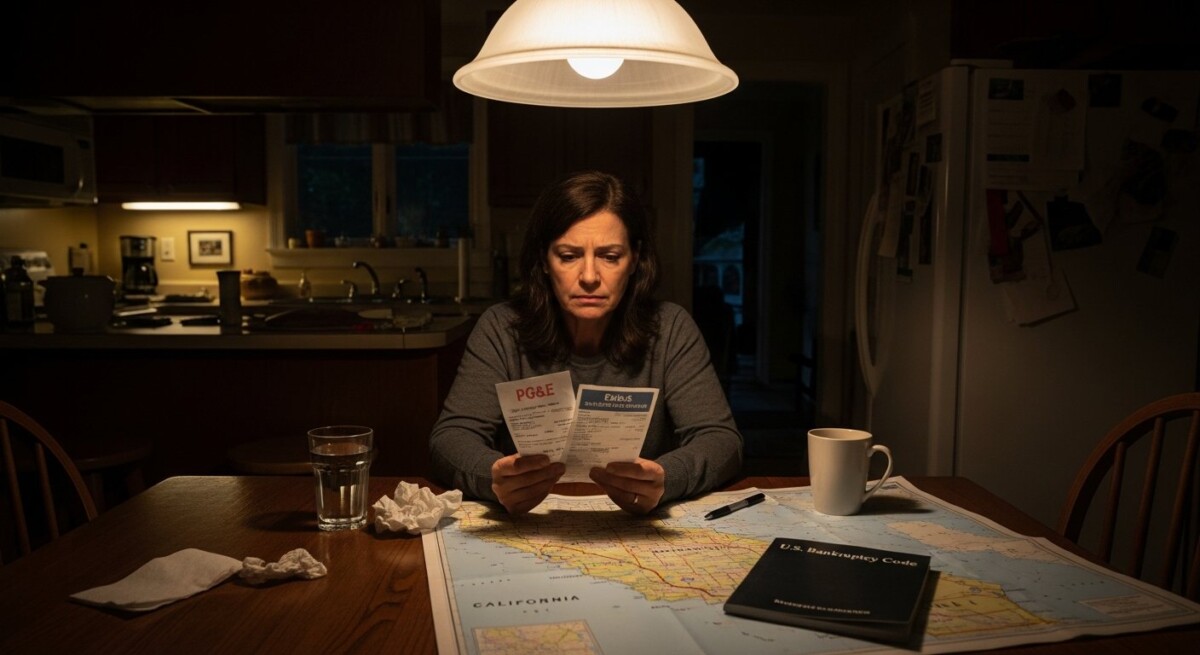
Staring at a stack of past-due notices from your gas, electric, or water company can feel like a trap with no escape. The bills keep mounting, often accompanied by threats of service disconnection, and the pressure to keep the lights on can force difficult financial choices. For many Californians struggling with overwhelming debt, bankruptcy offers a legal path to a fresh start. But a critical question arises: can you discharge old utility debt in California bankruptcy? The answer is generally yes, but with important caveats and strategic considerations that are vital to understand before you file. Successfully navigating this process requires knowing how utility debts are treated under the U.S. Bankruptcy Code, the specific rules that apply in California, and the practical steps to ensure these obligations are properly included and discharged.
Understanding Utility Debt in Bankruptcy
Utility debt, such as unpaid balances owed to providers like PG&E, Southern California Edison, Sempra Energy, or local water districts, is typically classified as an unsecured debt. This places it in the same broad category as credit card debt, medical bills, and personal loans. In both Chapter 7 and Chapter 13 bankruptcy, unsecured debts are generally eligible for discharge, meaning the debtor is no longer legally obligated to pay them. This principle applies directly to old, past-due utility bills. However, the relationship with your utility company is unique because it is an ongoing service. While bankruptcy can eliminate your past debt, it does not obligate the utility company to provide you with future service. This distinction is the source of the most common complication. The utility provider may demand a new deposit or proof of payment assurance for future service as a condition for keeping your account active post-bankruptcy. Furthermore, if you have a security deposit with the utility that was applied to your old debt, that amount may also be treated as part of the dischargeable balance.
Chapter 7 vs. Chapter 13: Different Paths to Discharge
The process for handling old utility debt differs between the two primary consumer bankruptcy chapters. In a Chapter 7 “liquidation” bankruptcy, your eligible unsecured debts, including old utility bills, are wiped out entirely, typically within three to six months. You receive a discharge order from the court, and the utility company can no longer collect on the pre-filing debt. It is crucial, however, to list the utility company accurately on your bankruptcy schedules. After filing, you must begin paying for all services used after the bankruptcy filing date. The utility company is legally prohibited from discriminating against you solely because you filed for bankruptcy, but they can require a deposit for future service based on standard credit criteria. In a Chapter 13 “reorganization” bankruptcy, you enter a three-to-five-year court-approved repayment plan. Your old utility debt is included in the plan alongside other unsecured debts. Depending on your plan’s terms, you may repay a percentage of this debt, often a small fraction, and the remaining balance is discharged upon successful completion of the plan. During the plan period, you must also pay for all current utility usage. This structured approach can be beneficial if you are also dealing with other complex debts, such as including personal loans in California bankruptcy, as it consolidates payments into one manageable amount.
Key Limitations and Exceptions to Discharge
While most old utility debt is dischargeable, there are specific scenarios where challenges may arise. Debt incurred through fraud is not dischargeable in bankruptcy. If a utility company could prove you intentionally ran up a large bill with no intention of paying it (which is exceptionally rare), that specific debt might survive the bankruptcy. A more common, though still nuanced, issue involves deposits. If you provided a cash deposit to the utility company when you initiated service, and they applied that deposit to your outstanding balance before you filed for bankruptcy, that applied amount is simply considered a payment toward a dischargeable debt. The utility may then require a new deposit for continued service. The most significant practical limitation is not legal, but logistical: securing ongoing service. After your discharge, the utility company can require a reasonable deposit as a condition for future service. The amount is usually based on their tariff schedules filed with the California Public Utilities Commission (CPUC) and cannot be punitive simply because you filed for bankruptcy.
The Strategic Importance of Timing and Disclosure
When you file your bankruptcy petition creates a legal line between pre-petition debt (dischargeable) and post-petition debt (your new obligation). To ensure your old utility debt is included, you must list the utility company as a creditor on your official schedules with the exact amount owed as of your filing date. Failing to list them could mean the debt is not discharged. It is often advisable to obtain a final billing statement right before filing to capture the accurate amount. Furthermore, you should plan for the utility company’s reaction. Proactively contacting the utility’s credit or collections department after filing to provide your bankruptcy case number and discuss requirements for ongoing service can prevent surprise disconnections. You will need to demonstrate your ability to pay for new usage, which may involve setting up a new account or payment arrangement. This strategic foresight is as important as correctly handling other secured debts, similar to the considerations needed when reaffirming a car loan in California bankruptcy to retain an asset.
Steps to Ensure Utility Debt is Properly Discharged
To maximize the likelihood of a smooth process and a full discharge of your old utility bills, a methodical approach is essential. The following steps provide a framework for debtors.
- Gather Documentation: Collect all past-due bills and statements from every utility provider (electric, gas, water, trash, sewer). Note the account numbers and the exact balances owed.
- Accurate Scheduling: Work with your bankruptcy attorney to ensure each utility provider is listed correctly on Schedule E/F (Creditors Who Have Unsecured Claims). The address for legal notice (often different from the billing address) must be precise.
- Plan for Post-Filing Service: Budget for a potential new deposit. Research the utility’s published policies on deposits for customers with prior credit issues. Have funds ready to pay for all service used after your filing date.
- Formal Notification: After filing, provide your case number and the name of the bankruptcy trustee to the utility company. This often halts all collection activity for the old debt immediately.
- Maintain Current Payments: From the day after you file, treat your utility service as a new, ongoing expense. Pay these bills on time to avoid new delinquency and potential service interruption.
Following these steps helps create a clear separation between the old, dischargeable debt and your fresh financial start. This meticulous attention to detail is crucial in all aspects of bankruptcy, whether you are dealing with utility bills or more complex obligations like discharging payday loans in Arizona bankruptcy, where lender tactics can be aggressive.
Frequently Asked Questions
Can the utility company shut off my service just because I filed for bankruptcy?
No. The automatic stay that goes into effect upon filing prohibits creditors, including utility companies, from taking any collection action, which includes shutting off service for pre-filing debt. They can, however, require assurance of payment for future service.
How large of a new deposit can they require?
For regulated utilities, the CPUC typically limits deposits to an amount equivalent to roughly two months of estimated service. The exact amount must be based on the utility’s filed tariffs and cannot be arbitrarily high.
What if I have a security deposit with the utility?
If the utility still holds your deposit, they may apply it to your pre-filing balance. If they have already applied it, that portion of the debt is considered paid. In either case, the underlying debt is still dischargeable, but you may need to provide a new deposit.
Does bankruptcy affect my ability to get utility service in a new home?
It can. Utility companies check credit history when establishing new service. A recent bankruptcy may lead to a deposit requirement, but they cannot deny you service solely because you received a bankruptcy discharge.
Should I pay off a utility bill right before filing?
Generally, no. Making a large preferential payment to one unsecured creditor (like a utility company) on the eve of bankruptcy can be problematic. The trustee may seek to recover that payment for the benefit of all creditors. It is better to include the full debt in your bankruptcy. This is similar to the strategy used when protecting a personal injury settlement in California bankruptcy, where timing and proper exemptions are key.
Discharging old utility debt in California bankruptcy is a powerful tool for achieving financial relief. By understanding the rules, preparing for the utility company’s requirements, and working with a knowledgeable bankruptcy attorney, you can clear these burdensome past obligations and move forward with a sustainable plan for maintaining essential services. The goal is not just to erase old debt, but to establish a stable foundation for your financial future where you can manage ongoing expenses without the weight of past arrears.

About Kalani Brooks
Recent Posts
When to Hire a Property Damage Lawyer for Your Claim
Get help with property damage claims. Call our team at (833) 227-7919 to connect with a skilled property damage lawyer.

HOA Attorney: When to Call for Board Disputes
Resolve HOA conflicts with an experienced attorney. Call (833) 227-7919 for a free consultation today.

When to Hire a Land Use Attorney for Your Property
Find the right land use attorney to navigate zoning, permits, and property disputes. Call (833) 227-7919 for a free referral today.