
GLP-1 Agonist Lawsuits: Ozempic and Wegovy 2026 Update
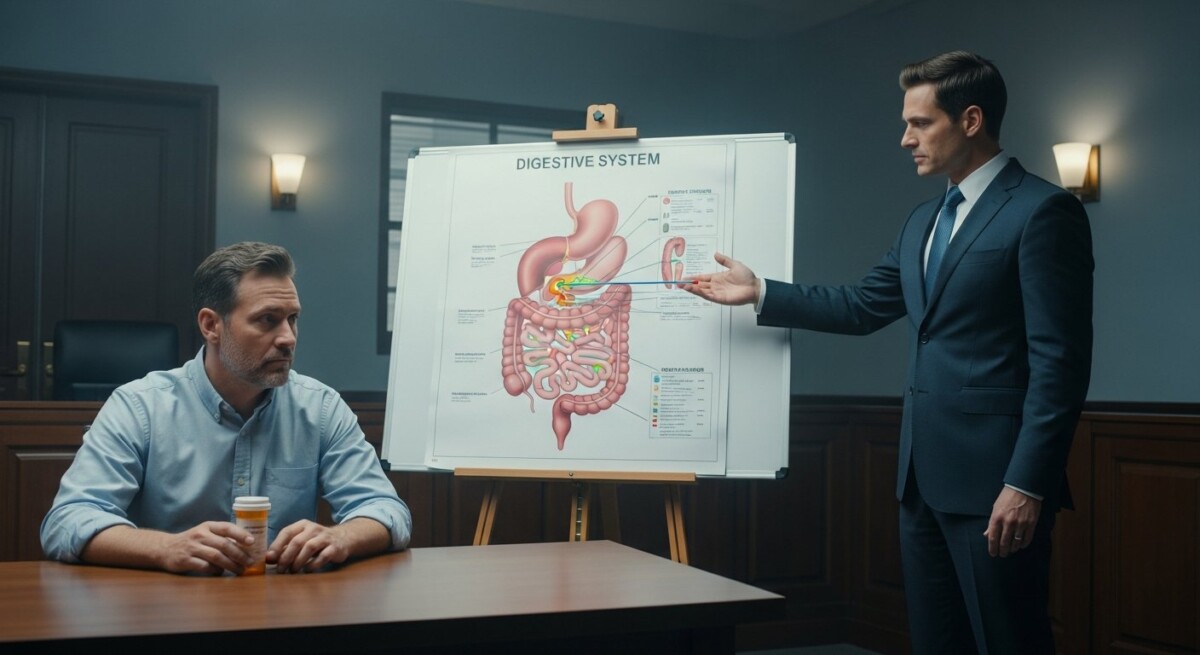
The legal landscape surrounding popular diabetes and weight loss medications has shifted dramatically. Thousands of individuals who took GLP-1 receptor agonists like Ozempic and Wegovy are now filing lawsuits, alleging that manufacturers failed to warn about severe gastrointestinal side effects. As we move through 2026, these GLP-1 agonist lawsuits continue to grow, with new cases being consolidated in multidistrict litigation. If you or a loved one suffered complications after using these drugs, understanding your legal rights is essential.
LawyerCaseReview provides a platform to connect you with experienced attorneys who evaluate these cases. Our service helps you navigate the complex legal process without upfront costs. We have seen a steady increase in inquiries about GLP-1 agonist lawsuits Ozempic Wegovy 2026, and we want to ensure you have accurate, up-to-date information to make informed decisions about your potential claim.
Understanding GLP-1 Agonist Drugs and the Legal Controversy
GLP-1 receptor agonists work by mimicking a natural hormone that regulates blood sugar and appetite. Ozempic (semaglutide) and Wegovy (a higher-dose semaglutide) belong to this class, along with Mounjaro (tirzepatide) and Trulicity (dulaglutide). These medications have proven remarkably effective for type 2 diabetes management and weight loss. However, a growing body of evidence suggests they may cause serious adverse events.
Plaintiffs in GLP-1 agonist lawsuits Ozempic Wegovy 2026 allege that manufacturers Novo Nordisk and Eli Lilly knew or should have known about these risks but failed to provide adequate warnings to patients and doctors. The primary complaints center on delayed gastric emptying (gastroparesis), which can lead to severe nausea, vomiting, abdominal pain, and in some cases, permanent digestive tract damage. Other alleged injuries include bowel obstructions, gallbladder disease, and aspiration pneumonia resulting from vomiting.
The legal theory in these cases typically involves failure to warn, negligent design, and fraudulent concealment. Attorneys argue that the drug labels did not adequately describe the severity or frequency of gastrointestinal side effects. For example, while the labels mention nausea and vomiting as common, they do not warn that these symptoms can persist for months or lead to hospitalization. In our guide on wrongful death lawsuits in New York, we explain how failure-to-warn claims apply in pharmaceutical litigation.
The Current Status of GLP-1 Agonist Litigation in 2026
As of early 2026, the Judicial Panel on Multidistrict Litigation has consolidated hundreds of cases into MDL 3094, presided over by Judge Brian R. Martinotti in the District of New Jersey. This consolidation streamlines discovery and pretrial proceedings, allowing cases to move more efficiently. The MDL currently includes approximately 800 active cases, with projections suggesting that number could exceed 2,000 by the end of the year.
Key developments in GLP-1 agonist lawsuits Ozempic Wegovy 2026 include the selection of bellwether trials, which are test cases that help gauge how juries may respond to evidence. The court has scheduled the first bellwether trial for late 2026, focusing on a plaintiff who developed gastroparesis requiring hospitalization. This trial will set important precedents for settlement negotiations and subsequent cases.
Who Can File a Lawsuit?
Not everyone who took these medications qualifies for a claim. Generally, plaintiffs must demonstrate that they experienced a serious adverse event that required medical intervention or caused lasting harm. The following criteria help determine eligibility:
- Diagnosis of gastroparesis, bowel obstruction, or gallbladder disease after starting the medication
- Hospitalization or emergency room visit for severe gastrointestinal symptoms
- Documented medical records showing a temporal relationship between drug use and injury
- No pre-existing gastrointestinal conditions that could explain the symptoms
- Injury occurred within a reasonable time frame after starting the medication (typically within 6-12 months)
Each case requires careful review by a qualified attorney. LawyerCaseReview can help you connect with lawyers who specialize in pharmaceutical mass torts. These attorneys typically work on a contingency basis, meaning you pay nothing unless they recover compensation for you. This arrangement removes financial barriers to justice, allowing anyone with a valid claim to pursue it without worry about upfront legal fees.
Potential Compensation in GLP-1 Agonist Lawsuits
Compensation in these cases falls into several categories. Economic damages cover medical bills, lost wages, and reduced earning capacity. Non-economic damages address pain and suffering, loss of enjoyment of life, and emotional distress. In cases involving egregious conduct by manufacturers, punitive damages may also be available to punish wrongdoing and deter future misconduct.
Early estimates suggest that individual settlements could range from $50,000 to $500,000 depending on injury severity, but bellwether trials will provide clearer guidance. Some plaintiffs with catastrophic injuries, such as permanent gastroparesis requiring feeding tubes, could see higher awards. The best personal injury lawyers for bike safety lawsuits often have experience in mass tort cases, though GLP-1 claims require specific pharmaceutical expertise.
It is important to understand that mass tort litigation differs from class actions. In a class action, plaintiffs share a single settlement. In mass torts like this one, each plaintiff retains their own case and receives compensation based on their individual circumstances. This approach typically results in fairer outcomes for those with more severe injuries.
Key Evidence in GLP-1 Agonist Cases
Building a strong case requires gathering specific evidence. Attorneys look for medical records documenting the diagnosis and treatment of gastrointestinal complications. Pharmacy records showing the prescription and refill history are equally important. Internal company documents, if obtained through discovery, can reveal what manufacturers knew about side effects and when they knew it.
Expert witnesses play a crucial role in these cases. Gastroenterologists testify about the mechanism of delayed gastric emptying and how GLP-1 agonists cause it. Epidemiologists analyze data from clinical trials and post-market surveillance to demonstrate increased risk. Regulatory experts explain what information drug companies should have included on labels based on available evidence.
One challenge plaintiffs face is proving causation. Defense attorneys argue that many patients who developed gastrointestinal issues had underlying conditions or took other medications that could explain their symptoms. Thorough medical documentation and careful case selection help overcome this hurdle. Your attorney will work to establish a clear timeline linking your injury to the medication.
Steps to Take If You Believe You Have a Claim
If you experienced serious side effects after taking Ozempic, Wegovy, or a similar GLP-1 agonist, taking action promptly protects your legal rights. Statutes of limitations vary by state, typically ranging from one to three years from the date of injury or discovery. Waiting too long could bar your claim entirely.
The first step is to consult with a qualified attorney. LawyerCaseReview offers a free case evaluation service that connects you with law firms experienced in pharmaceutical litigation. During the evaluation, you will discuss your medical history, the medications you took, and the complications you experienced. The attorney will assess whether you have a viable claim and explain the next steps.
Preserve all evidence related to your case. This includes medication bottles, prescription records, medical bills, and any correspondence with healthcare providers. Keep a journal documenting your symptoms, their progression, and how they have affected your daily life. Photographs of medical devices or hospital stays can also be helpful.
Do not speak to representatives of the drug manufacturer without your attorney present. Pharmaceutical companies often contact patients directly to gather information that could be used against them in litigation. Let your legal team handle all communications to protect your interests.
Frequently Asked Questions About GLP-1 Agonist Lawsuits
Do I need to stop taking my medication to file a lawsuit?
No. You should never stop taking prescribed medication without consulting your doctor. If you believe the medication caused your injury, discuss alternatives with your healthcare provider. Your legal claim is based on the manufacturer’s failure to warn, not on your continued use of the drug.
How long do these lawsuits typically take?
Mass tort litigation can take two to five years from filing to resolution. The MDL process streamlines discovery and may lead to a global settlement sooner. Bellwether trials scheduled for 2026 will provide important signals about case values and may encourage settlement negotiations.
Can I join a lawsuit if I live outside the United States?
These lawsuits primarily involve plaintiffs who used medications prescribed in the United States. International cases face complex jurisdictional issues. Contact LawyerCaseReview to discuss your specific situation.
What if my injury was mild and I did not require hospitalization?
Mild side effects like transient nausea typically do not support a lawsuit. To have a viable claim, you generally need documented medical treatment for a serious condition like gastroparesis or bowel obstruction. Consult an attorney to evaluate your specific circumstances.
How much does it cost to hire a lawyer for this type of case?
Most pharmaceutical mass tort attorneys work on contingency, meaning they receive a percentage of your settlement or verdict, typically 33-40 percent. If you do not recover compensation, you owe nothing. This arrangement makes legal representation accessible regardless of financial circumstances.
The GLP-1 agonist litigation landscape continues to evolve rapidly. With new cases being filed weekly and bellwether trials approaching, 2026 represents a critical year for plaintiffs seeking accountability. If you believe you have been harmed by Ozempic, Wegovy, or a similar medication, do not delay in seeking legal advice. The team at LawyerCaseReview can help you find experienced attorneys who will fight for your rights.

About Luma Carlisle
Recent Posts

Cybercrime Lawyer: When to Hire One and What They Do
Facing cybercrime? A cybercrime lawyer can help you recover and protect your rights. Call (833) 227-7919 to get connected with a qualified attorney.

Fraud Defense Lawyer: Your Rights and Legal Options
Facing fraud charges? A fraud defense lawyer can protect your rights. Call (833) 227-7919 to connect with experienced attorneys today.

Identity Theft Lawyer: When to Hire One and How They Help
Identity theft can wreck your credit and finances. An identity theft lawyer helps you recover. Call us at (833) 227-7919 for a free case review.