
How a Disability Attorney Builds a Strong SSDI Case
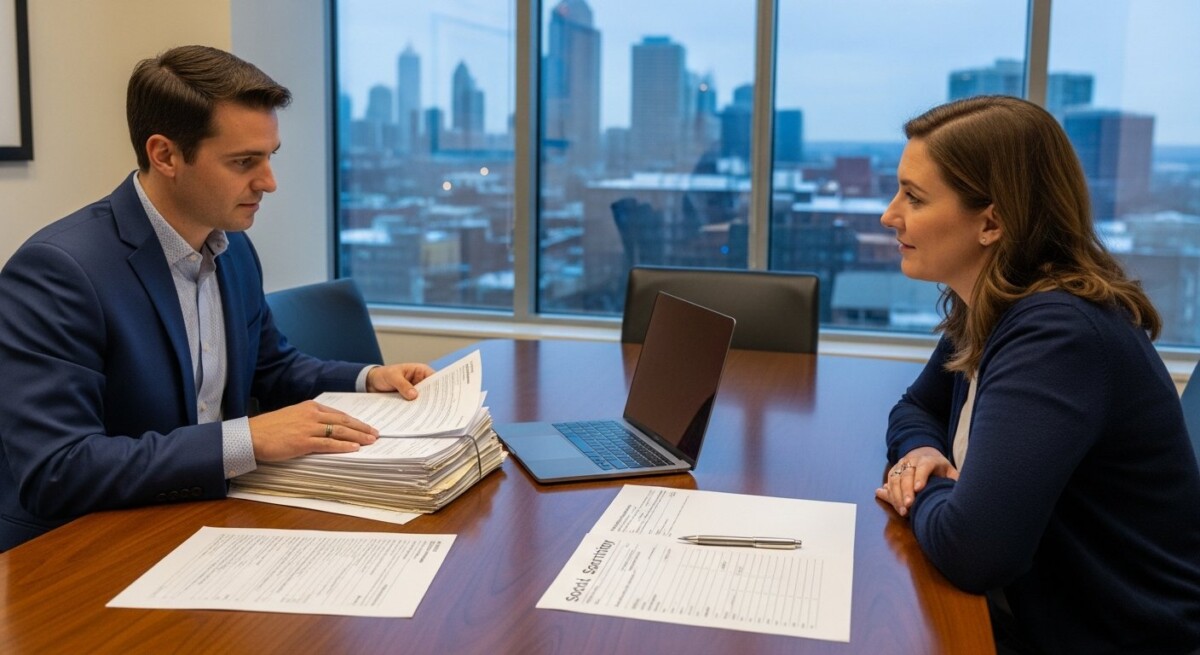
When you apply for Social Security Disability Insurance (SSDI) or Supplemental Security Income (SSI), you are entering a process that rejects more than 60 percent of initial claims. The Social Security Administration (SSA) reviews thousands of applications each month, and many fail due to incomplete medical records, vague work history descriptions, or missing legal arguments. This is where a skilled disability attorney changes the outcome. Understanding how a disability attorney builds a strong SSDI or SSI case can mean the difference between years of waiting and a timely approval. The process is not about filing paperwork alone. It is about constructing a legal narrative that aligns with the SSA’s strict definition of disability.
Attorneys who specialize in this area know exactly what evidence the SSA needs and how to present it. They do not guess. They follow a structured method that starts long before any hearing. In this article, we walk through that method step by step, so you can see what goes into a winning claim and why professional representation matters. If you are considering applying or have already been denied, this breakdown will help you understand the road ahead.
The Initial Review and Case Strategy
The first step in how a disability attorney builds a strong SSDI or SSI case is a thorough review of your personal situation. This is not a simple form check. The attorney examines your medical conditions, work history, age, education, and daily functioning to determine whether you meet the SSA’s eligibility criteria. The SSA uses a five-step sequential evaluation process to decide claims. An attorney maps your evidence against each step before filing anything.
Step one looks at whether you are engaging in substantial gainful activity. If you are working and earning above a certain threshold, you may not qualify. Step two asks whether your condition is severe enough to limit basic work activities. Step three checks if your condition meets or equals a listing in the SSA’s Blue Book. Steps four and five consider whether you can do your past work or any other work in the national economy. Your attorney identifies the strongest path through these steps. If you clearly meet a Blue Book listing, the case moves faster. If not, the attorney focuses on proving that your residual functional capacity (RFC) prevents you from working any job.
This early strategy phase also includes a candid discussion about gaps in your medical records. Many applicants assume their doctor’s notes are complete, but they often lack the specific language the SSA needs. For example, a doctor might write that you have chronic back pain. An attorney knows the SSA needs to see objective imaging results, range-of-motion measurements, and a statement about how the pain affects your ability to sit, stand, or lift. Without those details, the claim is weak. The attorney helps you fill those gaps before submission.
Gathering and Organizing Medical Evidence
Medical evidence is the backbone of every disability claim. The SSA does not accept your word alone. It requires objective medical signs, laboratory findings, and treatment records that span at least 12 months. A disability attorney knows exactly which documents to request and how to organize them for maximum impact. This includes hospital records, clinic notes, diagnostic test results, medication lists, and statements from treating physicians.
One of the most valuable tools an attorney uses is the medical source statement. This is a form completed by your doctor that describes your specific functional limitations. The SSA gives significant weight to treating physicians, but only when their opinions are supported by evidence. Your attorney works with your doctor to ensure the statement includes specific details such as how many minutes you can walk before needing to rest, how much weight you can lift, and how frequently your symptoms force you to lie down during the day.
Another critical piece is the functional report. This is not just a form you fill out. Your attorney helps you describe your daily activities in a way that matches the SSA’s disability criteria. For instance, if you can only stand for 15 minutes before your knees give out, that needs to be documented clearly. If you need help bathing, dressing, or cooking, that must be included. The goal is to show that your condition prevents you from performing even sedentary work on a consistent basis.
We cover this process in detail in our guide on How a Social Security Disability Attorney Can Help Your Claim. That article explains how attorneys use medical records to build a timeline of disability and avoid common pitfalls that lead to denials.
Drafting a Persuasive Written Argument
Beyond the forms and records, a strong case includes a written legal brief. This document is not required at the initial application level, but it becomes essential at the reconsideration and hearing stages. How a disability attorney builds a strong SSDI or SSI case often comes down to the quality of the brief. The attorney reviews the denial letter, identifies the specific reasons the SSA gave for rejecting your claim, and crafts a response that addresses each point.
For example, if the SSA denied your claim because they believe you can perform light work, the attorney will cite medical evidence showing why that conclusion is wrong. The brief may include references to specific clinical findings, statements from your doctor, and vocational expert testimony. It also highlights any errors the SSA made in evaluating your RFC or in applying the five-step process. A well-written brief forces the administrative law judge (ALJ) to reconsider your case with a more critical eye.
The attorney also prepares a vocational argument. This involves showing that your limitations prevent you from performing not only your past job but also any other job that exists in significant numbers in the national economy. This is where the vocational expert at the hearing becomes important. Your attorney will cross-examine the expert to challenge overly broad job descriptions or unrealistic assumptions about your abilities. For instance, if the expert says you can work as a surveillance system monitor, your attorney may ask whether that job requires sitting for six hours straight while your condition forces you to change positions every 20 minutes.
Representation at the Hearing
If your case reaches the hearing level, the attorney’s role becomes even more active. The hearing before an ALJ is the best opportunity to present your case in person. Your attorney will prepare you for the types of questions the judge may ask, help you practice your responses, and ensure you do not accidentally undermine your own claim. Many claimants hurt their case by saying things like “I can cook dinner sometimes” without explaining that they need to sit on a stool and take breaks every five minutes.
During the hearing, the attorney handles all legal arguments, objections, and questioning of witnesses. This includes direct examination of you and any medical or vocational experts. The attorney knows how to frame questions to bring out the strongest evidence. For example, instead of asking “Do you have pain?” the attorney asks “On a typical day, how long after you wake up does the pain become severe enough that you cannot focus on anything else?” This type of questioning produces specific, credible testimony that the ALJ cannot easily dismiss.
The attorney also watches for procedural errors. If the ALJ fails to consider a relevant piece of evidence or misapplies a legal standard, the attorney can object on the record. This preserves the issue for appeal if necessary. Our article on Why You Need a Social Security Disability Attorney goes deeper into how representation at the hearing directly improves your chances of approval.
Managing Deadlines and Appeals
Disability claims involve strict deadlines. Miss one, and you may have to start the entire process over. The SSA gives you 60 days to appeal a denial at the reconsideration level and another 60 days to request a hearing. If you miss these windows, you lose your place in line. A disability attorney tracks every deadline and files the necessary paperwork on time. This is one of the most practical ways an attorney adds value.
If the ALJ denies your claim, the attorney can appeal to the Appeals Council and, if needed, to federal district court. Each level has its own rules and filing requirements. The attorney evaluates whether an appeal is worthwhile based on the strength of your case and the errors made in the decision below. Not every denial should be appealed. Sometimes it is better to file a new application with updated evidence. Your attorney advises you on the best strategy based on your specific circumstances.
Throughout this process, the attorney also handles communication with the SSA. You do not have to call the local office to check on your case status. The attorney’s office does that. This reduces stress and ensures that any requests for additional information are handled promptly. If the SSA schedules a consultative exam, your attorney can prepare you for what to expect and review the examiner’s report afterward to check for inaccuracies.
Common Mistakes That Derail Claims
Understanding how a disability attorney builds a strong SSDI or SSI case also means knowing what can go wrong. Many claimants make preventable errors that hurt their chances. Here are some of the most common mistakes and how an attorney helps you avoid them:
- Inconsistent medical treatment – If you stop seeing your doctor for months at a time, the SSA may conclude your condition is not that serious. An attorney ensures you maintain regular treatment and explains any gaps.
- Returning to work too soon – Even part-time work can disqualify you if your earnings exceed the SGA limit. Your attorney advises you on safe work options while your claim is pending.
- Failing to list all conditions – Many applicants focus on their primary diagnosis and leave out secondary conditions like depression or anxiety that also affect their ability to work. An attorney reviews your full medical history and adds every relevant impairment.
- Poor hearing testimony – Claimants often downplay their symptoms out of pride or habit. An attorney coaches you to give honest but complete answers that reflect the worst days, not just the good ones.
Each of these mistakes can be avoided with proper guidance. The attorney’s job is to anticipate problems before they arise and keep your case on track.
Why Representation Matters for SSI Claims
SSI claims follow the same medical standards as SSDI, but they also involve strict financial eligibility rules. The SSA limits the amount of income and resources you can have. An attorney helps you understand these limits and avoid accidental disqualification. For example, if you receive gifts from family members or have savings in a bank account, those could count as resources. Your attorney explains how to manage your finances without violating the rules.
SSI claims also often involve children with disabilities. The SSA uses a different set of criteria for children, focusing on functional limitations rather than work history. An attorney who handles SSI cases knows how to gather school records, therapy notes, and statements from teachers to show that the child’s condition causes marked and severe functional limitations. This is a specialized area, and experience matters.
Many people assume they cannot afford an attorney for a disability claim. In reality, most disability attorneys work on a contingency fee basis. They only get paid if you win. The SSA caps the fee at 25 percent of your back pay, up to a maximum of $7,200. If you lose, you owe nothing. This makes legal representation accessible even if you are currently not working.
Frequently Asked Questions
How long does it take to get a decision after hiring a disability attorney?
The timeline varies by state and the complexity of your case. On average, a decision at the initial level takes 3 to 6 months. If you are denied and need a hearing, the wait can be 12 to 18 months or longer. An attorney cannot speed up the SSA’s processing time, but they can reduce delays by submitting complete applications and responding quickly to requests.
Can a disability attorney help if I was already denied?
Yes. In fact, most disability attorneys take cases after a denial. The appeals process is where legal strategy becomes most important. An attorney can identify errors in the denial, gather new evidence, and present a stronger case at the hearing level. Many claims that are initially denied are approved on appeal with legal representation.
What should I bring to my first meeting with a disability attorney?
Bring your denial letter (if you have one), a list of your medical conditions and treating physicians, the dates of all medical treatments, and any correspondence from the SSA. The more information you provide, the faster the attorney can evaluate your case.
For a more detailed look at how representation works from start to finish, including what to expect at each stage, check out our comprehensive article on How a Social Security Disability Attorney Can Help Your Claim. It covers everything from the initial consultation through the final decision.
Building a winning disability case is not about luck. It is about preparation, evidence, and strategy. A disability attorney brings all three to the table. They handle the paperwork, gather the right medical evidence, write persuasive arguments, and represent you at hearings. They also protect your rights and keep the process moving. If you are facing a disability claim, having an attorney on your side is the single best decision you can make. The process is long, but you do not have to go through it alone.

About Corbett Hayes
Recent Posts

Cybercrime Lawyer: When to Hire One and What They Do
Facing cybercrime? A cybercrime lawyer can help you recover and protect your rights. Call (833) 227-7919 to get connected with a qualified attorney.

Fraud Defense Lawyer: Your Rights and Legal Options
Facing fraud charges? A fraud defense lawyer can protect your rights. Call (833) 227-7919 to connect with experienced attorneys today.

Identity Theft Lawyer: When to Hire One and How They Help
Identity theft can wreck your credit and finances. An identity theft lawyer helps you recover. Call us at (833) 227-7919 for a free case review.