
Including Utility Bills in Arizona Bankruptcy Explained
Learn if you can include utility bills in Arizona bankruptcy and protect your service. For expert guidance, call (833) 227-7919.

By Elspeth Warren
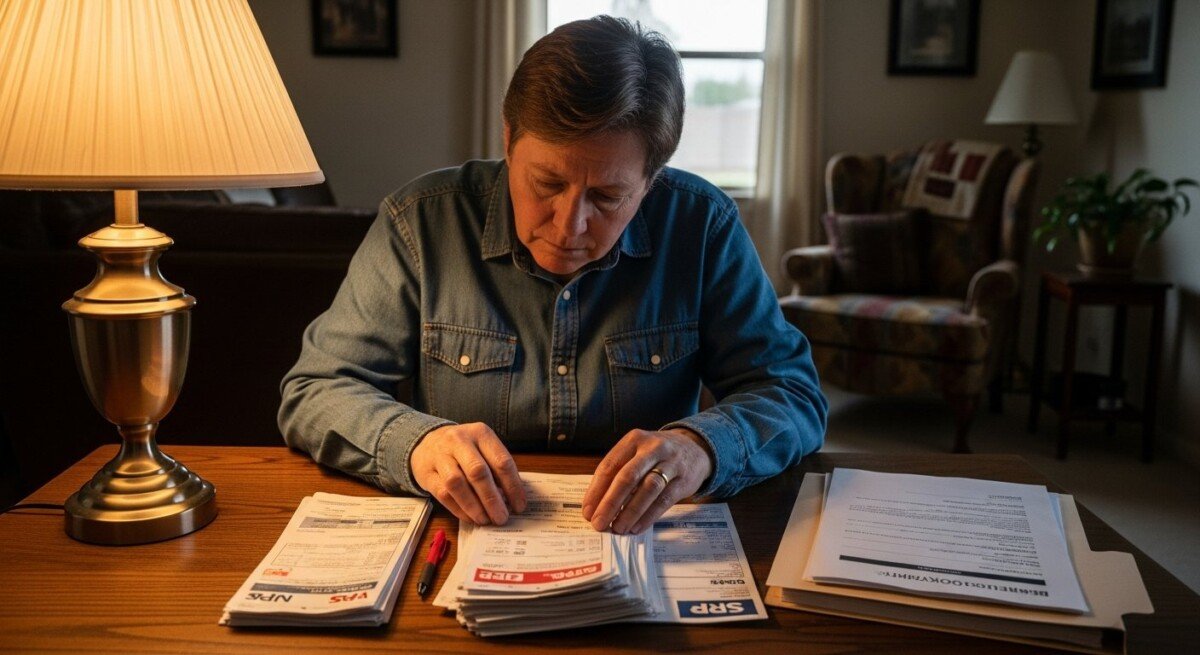
Facing overwhelming debt in Arizona, you may find yourself staring at a stack of past-due utility notices, wondering if they will be the final straw. The good news is that, yes, you can include utility bills in an Arizona bankruptcy filing. These common household debts for services like electricity, water, gas, and waste removal are generally treated as unsecured debts, similar to credit cards or medical bills. Including them in your bankruptcy can provide critical relief, but understanding the process, the immediate effects on your service, and how to manage your accounts post-filing is essential for a successful fresh start. This guide will walk you through the specifics of handling utility bills under both Chapter 7 and Chapter 13 bankruptcy in Arizona.
Understanding Utility Debt in Bankruptcy
Utility bills are considered “unsecured” debts because they are not backed by any collateral. When you owe money to a company like APS, SRP, or a local water provider, they cannot repossess the electricity or water you already used. This legal classification is crucial because it places these debts in the same broad category as many other dischargeable obligations. In both Chapter 7 (liquidation) and Chapter 13 (reorganization) bankruptcy, the goal is to discharge, or legally eliminate, your obligation to pay these past-due balances. However, the path to discharge and the immediate practical consequences differ significantly between the two chapters. It is also important to distinguish between past-due amounts and future service. Bankruptcy deals with debts incurred before your filing date. You remain responsible for paying for ongoing service after your case is filed, a point we will explore in detail.
The Immediate Impact: Utility Service After Filing
One of the most pressing concerns for filers is whether their lights will stay on. The moment you file your bankruptcy petition, an “automatic stay” goes into effect. This powerful court order prohibits creditors, including utility companies, from any collection activity, which includes shutting off your service for pre-filing debts. However, utilities have specific rights under the Bankruptcy Code. They may request a “security deposit” from you to guarantee future payment, typically limited to an amount equal to about two months of average service. If you are current on your post-filing bills, this is often not an issue. But if you have a history of late payments, the utility company can petition the court for this deposit. The key is communication. Proactively informing your utility provider of your bankruptcy case number and trustee information can help avoid confusion and ensure a smoother transition. For a deeper understanding of how legal protections work in your favor, consider reading our resource on how an Arizona bankruptcy lawyer can secure your financial future.
Chapter 7 vs. Chapter 13: Two Different Paths
The type of bankruptcy you file fundamentally changes how utility debt is handled. In an Arizona Chapter 7 bankruptcy, your past-due utility balances are typically discharged entirely, along with other unsecured debts. This means the debt is wiped out, and the utility company can never collect it. You get a true fresh start on those old bills. However, you must stay current on new charges after filing. If you fall behind post-filing, the utility can eventually disconnect service, as the automatic stay only protects you from collection on the old, discharged debt.
Chapter 13 bankruptcy operates differently. Here, you enter a 3 to 5 year court-approved repayment plan. Your past-due utility bills are lumped together with other general unsecured debts. You will pay a portion of this total back through your monthly plan payment, often only pennies on the dollar. Once you successfully complete your Chapter 13 plan, the remaining unpaid balance on those old utility bills is discharged. This structure is particularly beneficial if you are behind on utilities but want to keep service uninterrupted, as the plan allows you to cure the arrears over time. Determining the right chapter is complex and depends on your income, assets, and goals. Professional guidance is key, as outlined in our article on navigating Arizona bankruptcy law to find the right lawyer.
Strategic Considerations for Arizona Filers
Successfully managing utility bills through bankruptcy requires careful planning. First, always list every utility provider you owe on your bankruptcy schedules, even if the bill is small. Omitting a creditor can jeopardize the discharge of that debt. Second, budget for ongoing utility payments post-filing. These are considered necessary living expenses and should be included in your means test and monthly budget calculations. Third, be prepared for the possibility of a security deposit request, especially if your credit with the utility is poor. Having a plan to cover this potential cost is important.
It is also wise to understand how Arizona’s unique exemptions might interact with any deposits you have already paid to a utility company. While the deposit itself is often minimal, it is considered an asset of your bankruptcy estate. In most cases, it is exempt or of little concern to the trustee. Finally, remember that bankruptcy does not discharge certain obligations like homeowner association fees or city tax liens that might be billed alongside utilities; these require separate analysis. For debts that are often confusing, like high-interest loans, you can learn more in our guide that answers can you discharge payday loans in Arizona bankruptcy.
Steps to Take When Including Utility Bills
To ensure a smooth process, follow these practical steps when preparing to file.
- Gather All Bills: Collect the most recent statements from every utility provider (electric, gas, water, sewer, trash, internet, phone). Note the account numbers and past-due amounts.
- Consult with an Attorney: An experienced Arizona bankruptcy attorney will review your bills, advise on the best chapter for your situation, and ensure all debts are properly scheduled. This step is non-negotiable for a successful outcome.
- Plan for Post-Filing Payments: Adjust your household budget to ensure you can pay for ongoing utility service after your filing date. These are priority expenses.
- Communicate After Filing: Once your case is filed, you may need to provide your case number to utility companies, especially if you receive a disconnection notice in error due to the old debt.
- Keep Detailed Records: Maintain a file of all post-filing utility bills and proof of payment. This protects you if there is any dispute about your current account status.
Following these steps methodically can prevent service interruptions and help you maximize the financial relief bankruptcy offers. For a comprehensive look at the entire process, from finding counsel to final discharge, our guide on navigating Arizona bankruptcy law provides a valuable roadmap.
Frequently Asked Questions
Can the utility company shut off my service after I file bankruptcy? Not for debts incurred before your filing date, thanks to the automatic stay. They can only disconnect service for non-payment of charges incurred after you filed, or if they successfully get court permission to require a security deposit and you fail to provide it.
Do I have to pay a security deposit? Not automatically. A utility can only request one from the bankruptcy court if it can demonstrate a legitimate concern about future payment. If you have been current on post-filing bills, a request is unlikely to be granted.
What if I have a security deposit with the utility already? That deposit remains the property of the utility company until you terminate service. In most Chapter 7 cases, the trustee is not interested in claiming it. In Chapter 13, it is simply part of your financial picture.
Can I include my cell phone and internet bills? Yes, services like wireless phone plans and home internet are considered utility-type services for bankruptcy purposes. Past-due balances can be discharged.
What about deposits for starting new service after bankruptcy? After your debt is discharged, utility companies can still require new customers to pay a standard deposit based on their creditworthiness, which may be affected by the bankruptcy on your credit report.
Successfully navigating bankruptcy requires understanding how each type of debt is treated. Utility bills, while a common source of stress, are generally straightforward to include and discharge. The relief from these recurring past-due notices can be significant, freeing up cash flow for your essential future expenses. By working with a knowledgeable professional, you can ensure these debts are handled correctly, preserving your access to vital services while you build a more stable financial foundation. Taking informed action is the first step toward turning the lights back on, both literally and figuratively, for your financial future.