
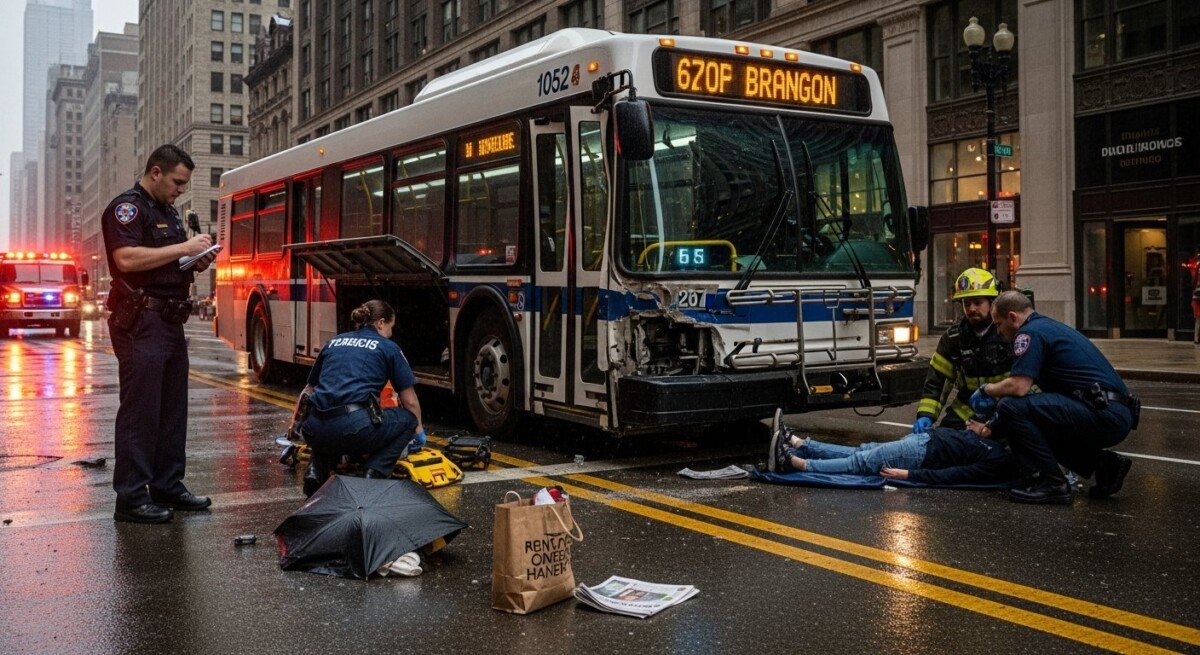
Injured in an Illinois Bus Accident? Your Legal Rights Explained
Understand your rights and options after an Illinois bus accident. For a confidential case evaluation, call (833) 227-7919.

By Nikolai Mercer
A bus accident in Illinois is a uniquely complex and frightening event. Unlike a typical car crash, you are dealing with a massive vehicle, numerous potential parties at fault, and a web of laws that can significantly impact your ability to recover compensation. If you were injured, you are likely facing medical bills, lost income, and pain, all while navigating a confusing legal landscape. Understanding the specific steps to take and the legal principles at play is not just helpful, it is critical to protecting your rights and securing the financial recovery you need to move forward.
Immediate Steps to Protect Your Health and Your Claim
The moments and days following a bus accident are crucial. Your health is the absolute priority, but certain actions can also preserve evidence and strengthen a potential legal claim. First, seek medical attention immediately, even if your injuries seem minor. Adrenaline can mask pain, and some injuries, like whiplash or internal trauma, may not present symptoms for hours or days. A medical professional will document your condition, creating an essential link between the accident and your injuries. Second, if you are physically able, report the accident to the police. An official Illinois Traffic Crash Report will be generated, containing objective observations, witness statements, and the officer’s preliminary assessment of fault. This document is a cornerstone of any subsequent investigation.
Gather as much information as you can at the scene. This includes the bus company name and vehicle number, the driver’s information, and insurance details. If there are other vehicles involved, collect their information as well. Use your phone to take photographs of the accident scene, the positions of the vehicles, visible damage, skid marks, traffic signals, and your injuries. Obtain contact information from any witnesses; their independent accounts can be invaluable later. Finally, be cautious about what you say. Do not admit fault or make speculative statements about the cause of the accident to the bus driver, company representatives, or insurance adjusters. Stick to the facts when speaking with authorities.
Understanding Liability in Illinois Bus Accident Cases
Determining who is legally responsible, or liable, is the central challenge in a bus accident claim. Multiple entities could share fault, and Illinois follows a modified comparative negligence rule. This means your compensation can be reduced by your percentage of fault, and you are barred from recovery if you are found 51% or more at fault. Potential liable parties include the bus driver (for negligence like speeding or distraction), the bus company (for negligent hiring, training, or maintenance), a government entity (if it’s a public transit bus like CTA, Pace, or a school bus), another motorist, or even a parts manufacturer. The process for holding a government entity accountable is particularly strict, requiring a formal notice of claim to be filed within a very short statute of limitations, often within one year.
Thorough investigation is key to building a strong liability case. This goes beyond the police report and may involve obtaining the bus’s electronic control module (black box) data, reviewing driver logs for hours-of-service violations, examining maintenance records, and consulting accident reconstruction experts. This deep investigative work is similar to the process needed after a commercial truck collision, which we detail in our guide on what to do after a commercial truck accident in Illinois.
Dealing with Insurance Companies and Settlement Negotiations
You will likely be contacted by insurance adjusters representing the bus company or other drivers. It is vital to remember that their primary goal is to minimize the payout. They may offer a quick, low settlement before the full extent of your injuries and losses are known. You are not obligated to provide a recorded statement without consulting an attorney, and you should never sign any release or accept a settlement until you have reached maximum medical improvement and understand the long-term impact of your injuries.
Calculating a fair settlement involves more than just adding up current medical bills. A comprehensive demand will account for past and future medical expenses, lost wages and loss of future earning capacity, property damage, and non-economic damages like pain and suffering, emotional distress, and loss of normal life. Negotiating with large bus companies or their insurers requires leverage and a clear demonstration of liability and damages. If negotiations fail, filing a lawsuit becomes necessary to pursue compensation through the court system.
The Critical Importance of the Statute of Limitations
In Illinois, the statute of limitations sets a strict deadline for filing a personal injury lawsuit. For most bus accident injuries involving private companies, you have two years from the date of the accident to file a suit in court. However, as mentioned, if the bus is operated by a public entity, such as a municipal transit authority or a school district, you may have as little as one year to file a formal notice of claim against the government body. Missing these deadlines will almost certainly forfeit your right to sue forever. Certain exceptions can toll, or pause, the clock, such as for minors, but you should never rely on an exception. Consulting a lawyer immediately ensures all deadlines are identified and met.
Why Legal Representation Is Essential
Navigating a bus accident claim alone is a daunting task against well-resourced opponents. An experienced personal injury attorney levels the playing field. They handle the complex investigation, identify all potentially liable parties, manage communications with insurers, and ensure compliance with all procedural rules and deadlines. They also have the resources to hire necessary experts, from medical professionals to accident reconstructionists, to build a compelling case for maximum compensation.
Most personal injury attorneys work on a contingency fee basis. This means you pay no upfront legal fees; the attorney’s fee is a percentage of the recovery they secure for you, so their interests are aligned with yours. Having skilled representation allows you to focus on your recovery while they handle the legal battle. The value they add often far exceeds their fee, as they are adept at accurately valuing claims and negotiating from a position of strength. The process of proving negligence and valuing a claim requires specific legal knowledge, which is why understanding your rights after any major vehicle collision is so important.
Frequently Asked Questions
What if I was partially at fault for the bus accident?
Illinois uses a modified comparative negligence system. If you are found less than 51% at fault, you can still recover damages, but your total award will be reduced by your percentage of fault. For example, if you are 20% at fault and your damages are $100,000, you would recover $80,000.
Can I sue the city if a CTA bus caused my injury?
Yes, but suing a government entity like the Chicago Transit Authority involves specific, shorter deadlines and procedures. You must file a notice of claim within one year of the accident. It is imperative to consult an attorney familiar with these rules immediately.
What damages can I recover in an Illinois bus accident case?
You may recover economic damages (medical bills, lost wages, property damage) and non-economic damages (pain and suffering, emotional distress, disfigurement). In rare cases involving egregious conduct, punitive damages may be available.
How long does a bus accident lawsuit typically take?
It varies widely. A straightforward case with clear liability and settled injuries may resolve in months. A complex case involving severe injuries, disputed fault, or a government defendant can take two to three years or more to reach a trial or settlement.
What if the bus driver was a contract employee?
Liability can extend to the company that hired the contractor if it can be shown they exercised control over the driver’s work or negligently hired an unfit driver. An investigation is needed to untangle these relationships, a complexity also common in commercial trucking cases where multiple parties may share liability.
The aftermath of a serious bus accident can leave you feeling overwhelmed and uncertain. The path to recovery involves both physical healing and navigating a complex legal process designed to hold responsible parties accountable. By taking informed steps from the beginning and seeking qualified legal guidance, you can protect your rights and work towards securing the compensation necessary for your future well-being.