
Injured in an Uber Accident in Florida? Know Your Rights
Understand your rights and compensation options if you were injured while riding as an Uber passenger in Florida. Call (833) 227-7919 for a free case evaluation.

By Nikolai Mercer
Getting into an accident is a jarring experience, but the confusion multiplies when you are a passenger in someone else’s vehicle, especially a rideshare like Uber. You are not the driver, you have no control over the situation, and you may be unsure who is responsible for your medical bills, lost wages, and pain and suffering. In Florida, the legal landscape for rideshare accidents involves a complex interplay of insurance policies, state law, and corporate contracts. Understanding your rights and the steps to take immediately after an incident is crucial to protecting your health and your potential financial recovery. This guide will walk you through the critical information every Uber passenger needs to know after an injury.
Understanding Uber’s Insurance Coverage in Florida
Uber provides insurance coverage for its drivers and passengers, but the amount and type of coverage available depend entirely on the driver’s status at the time of the accident. This is the single most important factor in determining which insurance policy will respond to your claim. Florida law requires all drivers to carry Personal Injury Protection (PIP) insurance, but Uber’s commercial policy provides additional layers of coverage that come into play under specific circumstances. Navigating these layers requires a clear understanding of the three distinct periods defined in Uber’s insurance policy.
The first period is when the Uber app is off. In this scenario, only the driver’s personal auto insurance policy applies. If you were injured as a passenger during this time, you would file a claim against the driver’s personal policy. The second period begins when the driver turns on the Uber app and is available for ride requests, but has not yet accepted a trip. During this “app on, no trip accepted” phase, Uber provides contingent liability coverage. This includes up to $50,000 in bodily injury per person, $100,000 per accident, and $25,000 in property damage. However, this coverage is contingent, meaning it may only apply if the driver’s personal insurance denies the claim or is insufficient.
The third and most robust period of coverage is when the driver has accepted a trip and is en route to pick up a passenger, or when a passenger is in the vehicle. From the moment a trip is accepted until it is completed, Uber’s $1 million commercial liability policy is primary. This policy provides substantial coverage for bodily injury and property damage caused by the Uber driver’s negligence. For passengers injured during an active trip, this $1 million policy is typically the first source of recovery. It is designed to cover medical expenses, lost income, and other damages for injured parties.
Immediate Steps to Take After an Uber Accident in Florida
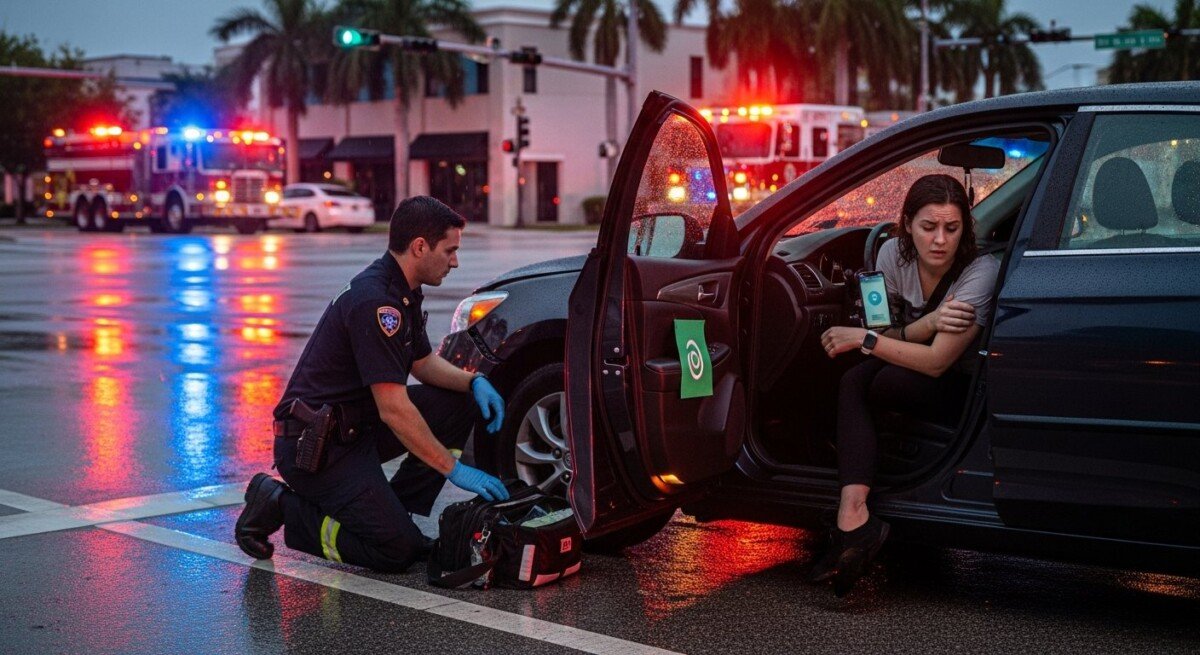
Your actions in the moments and days following an accident can significantly impact your health and the strength of any future legal claim. First and foremost, prioritize your safety and medical care. Even if you feel fine, adrenaline can mask serious injuries. Call 911 immediately to report the accident. A police report creates an official record of the incident, which is invaluable. Request medical attention at the scene and follow up with a doctor promptly. Document everything you can: take photos of the vehicles, the scene, your injuries, and the other driver’s license and insurance information. Get the Uber driver’s name, phone number, and license plate, and note the trip details from your app. Collect contact information from any witnesses. Do not make statements about fault or the severity of your injuries to anyone at the scene, including the other driver or insurance adjusters. Report the accident to Uber through the app’s safety toolkit or help section. Finally, avoid discussing the accident on social media, as these posts can be used against you.
Determining Liability and Fault in a Rideshare Crash
Establishing who was at fault, or liable, for the accident is the cornerstone of a personal injury claim. As a passenger, you are almost always an innocent victim, which means you can typically seek compensation from the at-fault party’s insurance. However, determining that party can be complex. The fault could lie with the Uber driver, another motorist, a combination of both, or even a third party like a government entity responsible for poor road conditions. Florida is a “no-fault” state for auto accidents, meaning your own PIP insurance (or the PIP of the vehicle you were in) pays your initial medical bills and lost wages up to its limits, regardless of who caused the crash. However, for serious injuries, you can step outside the no-fault system and file a liability claim against the at-fault driver.
If the Uber driver was negligent, you would file a claim against Uber’s $1 million commercial policy during an active trip. If another driver caused the accident, you would file a claim against that driver’s liability insurance. In cases of shared fault, Florida’s comparative negligence rule allows you to recover damages, but your compensation is reduced by your percentage of fault. A thorough investigation is essential to pinpoint liability. This process often involves obtaining the police report, analyzing vehicle damage, reviewing witness statements, and sometimes consulting accident reconstruction experts. Given the multiple potential insurance sources and the investigation required, consulting with an attorney who understands Florida’s specific laws is highly advisable. For guidance on selecting qualified legal representation, our resource on how to identify the best personal injury lawyers in Florida outlines key criteria.
Navigating the Claims Process and Seeking Compensation
Filing a claim after an Uber accident involves dealing with large insurance companies whose primary goal is to minimize payouts. The process is rarely straightforward. Initially, you may receive a call from an insurance adjuster offering a quick settlement. It is critical to understand that this initial offer is almost always far less than the full value of your claim, as it does not account for future medical needs or the full impact of your injuries. Before accepting any settlement or providing a recorded statement, you should understand the full scope of your damages. In Florida, you may be entitled to compensation for several types of losses, known as damages.
- Economic Damages: These are quantifiable financial losses. They include all medical expenses (ambulance, ER, surgery, physical therapy, future care), lost wages from missed work, loss of future earning capacity, and out-of-pocket costs like prescription medications or transportation to appointments.
- Non-Economic Damages: These compensate for the intangible, yet very real, consequences of your injury. This includes pain and suffering, emotional distress, loss of enjoyment of life, and inconvenience.
- Punitive Damages: In rare cases where the at-fault party’s conduct was especially reckless or malicious, punitive damages may be awarded to punish the wrongdoer and deter similar behavior.
Building a strong claim requires meticulous documentation. Keep a detailed journal of your pain levels, how your injuries affect your daily life, and all communications related to the accident. Save every medical bill and receipt. The goal is to create a clear, compelling link between the accident, your injuries, and your financial losses. Given the complexity of dealing with Uber’s corporate legal team and their insurers, having skilled legal counsel is often the difference between a minimal settlement and full compensation. A qualified attorney can handle negotiations, gather necessary evidence, and, if a fair settlement cannot be reached, file a lawsuit before the statute of limitations expires. For a deeper look at the attorney selection process, consider reading our guide on how to find the best personal injury lawyers in Florida.
Frequently Asked Questions for Injured Uber Passengers
How long do I have to file a lawsuit after an Uber accident in Florida?
Florida’s statute of limitations for personal injury lawsuits is generally two years from the date of the accident. If you do not file a lawsuit within this strict deadline, you will likely be barred from seeking compensation through the court system forever. There are very few exceptions, so acting promptly is essential.
What if the Uber driver was at fault but doesn’t have personal insurance?
If the accident occurred during an active Uber trip (Period 3), Uber’s $1 million commercial policy should be the primary coverage, regardless of the driver’s personal insurance status. If the accident happened while the app was on but no trip was accepted (Period 2), Uber’s contingent coverage may apply if the driver’s personal policy is invalid or nonexistent.
Can I sue Uber directly for my injuries?
Uber’s terms of service include arbitration clauses that generally require disputes to be resolved through arbitration rather than a public court trial. However, your claim is still against Uber and its insurance policy, it just proceeds through a different legal channel. An attorney can navigate this process on your behalf.
What if my injuries are severe and exceed Uber’s $1 million policy?
In catastrophic injury cases where damages exceed policy limits, you may need to explore other avenues for recovery. This could include a claim against other at-fault parties (like a negligent trucking company or vehicle manufacturer) or a claim against the Uber driver personally, though collecting beyond insurance limits can be difficult. A comprehensive legal strategy is vital. In extreme financial hardship caused by accident-related debt, understanding all options is key. While unrelated to injury claims, our article on navigating Florida bankruptcy law to protect your assets discusses financial protections under state law.
Do I really need a lawyer for an Uber accident claim?
While not legally required, it is highly recommended. Uber accident claims involve complex insurance layers and aggressive corporate defendants. An experienced personal injury lawyer understands how to value your claim, negotiate with insurers, and protect your rights. They work on a contingency fee basis, meaning you pay no attorney fees unless they recover money for you. To ensure you partner with a capable advocate, reviewing our insights on finding Florida’s best personal injury lawyers for your case is a prudent step.
Being injured as a passenger in an Uber accident can leave you feeling vulnerable and uncertain. The path to recovery involves both physical healing and navigating a legal process designed to secure the financial resources you need. By understanding the insurance framework, taking immediate and careful steps after the crash, and seeking professional legal guidance, you can assert your rights effectively. Your focus should be on your health, while a knowledgeable attorney focuses on holding the responsible parties accountable and fighting for the full compensation you deserve under Florida law.