
Personal Injury Evidence Checklist: Gather Proof Now
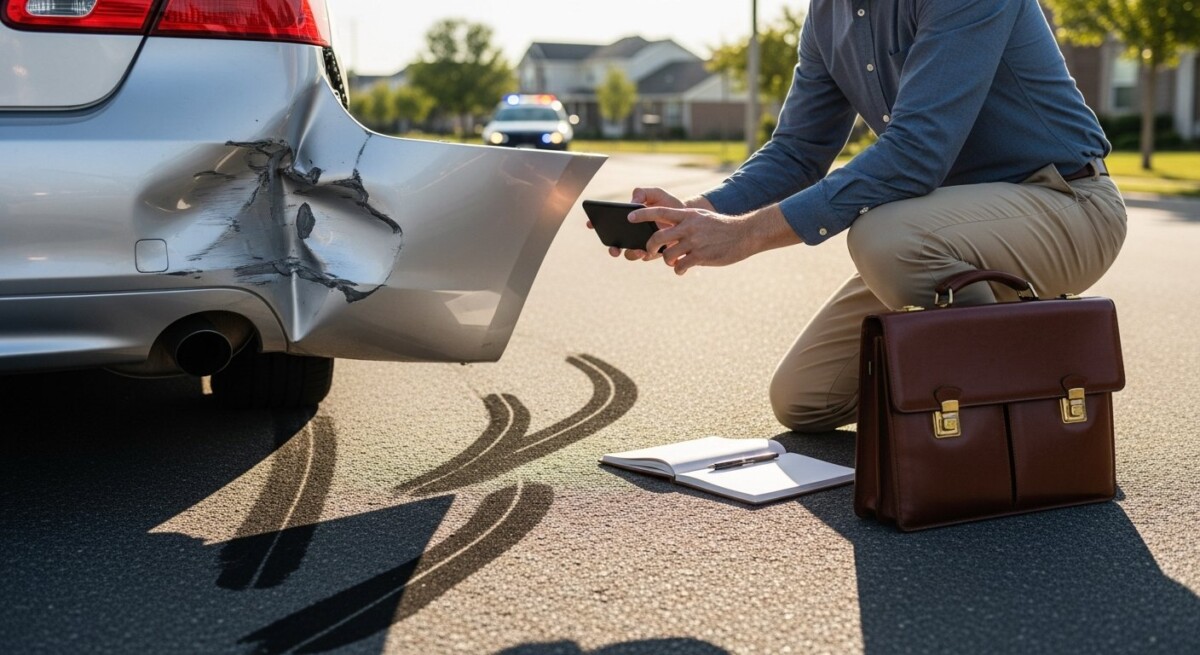
The moments after an accident can feel chaotic and overwhelming. Between dealing with injuries, speaking with police, and arranging transportation, evidence collection often takes a back seat. Yet the strength of your personal injury claim depends almost entirely on the proof you gather at the scene and in the days that follow. Without solid evidence, even a clear liability case can crumble. This article provides a comprehensive gathering evidence personal injury claim checklist to help you secure the documentation needed to maximize your compensation.
Insurance companies are not in the business of paying large settlements. They employ adjusters and lawyers whose job is to minimize payouts. The difference between a lowball offer and a fair settlement often comes down to the quality of evidence you present. By following a systematic approach to evidence collection, you shift the advantage to your side. This guide covers everything from immediate post-accident steps to long-term documentation strategies, all designed to build an airtight case.
Why Evidence Matters More Than You Think
In personal injury law, the burden of proof falls on you, the injured party. You must demonstrate that another party’s negligence caused your injuries and that those injuries resulted in specific damages. Without clear evidence, your claim becomes a battle of competing stories. The other driver says you ran a red light. The property owner claims the wet floor had a warning sign. The insurance company argues your injuries are pre-existing. Evidence resolves these disputes.
Consider a rear-end collision case. The at-fault driver’s insurance might argue that your neck pain predated the accident. But if you have emergency room records from the day of the crash, follow-up treatment notes, and a consistent timeline of symptoms, their argument weakens. Medical records alone can increase settlement offers by thousands of dollars. Photographs of vehicle damage, skid marks, and road conditions further strengthen your position. What a personal injury attorney does in a claim often starts with evaluating the evidence you have collected to determine case value and strategy.
Evidence also serves a psychological purpose with insurance adjusters. When you present a well-organized package of photos, medical records, witness statements, and expert reports, you signal that you are prepared to take the case to trial if necessary. That credibility alone can lead to higher settlement offers because the insurer knows you will not accept a lowball offer.
Immediate Steps at the Accident Scene
The first hour after an accident is the most critical for evidence collection. Adrenaline is high, and injuries may not yet be apparent. Following a structured process ensures you capture the most valuable information before the scene changes.
Document the Scene Thoroughly
Use your smartphone to take photographs and video from multiple angles. Capture the overall scene, then zoom in on specific details. Include the positions of all vehicles involved, damage to each vehicle, debris patterns, skid marks, road conditions, traffic signs, and weather conditions. If there are visible injuries, photograph those as well, but be sensitive to privacy concerns. Take photos from far, medium, and close distances. Video walkarounds are especially useful because they capture context that still photos miss.
Do not assume that police photographs will be sufficient. Police officers focus on crash reconstruction and may not capture the details most relevant to your injury claim, such as the exact position of your vehicle relative to a hazard or the condition of a broken sidewalk. Your photographs become your primary visual evidence.
Gather Witness Information
Witnesses can provide independent accounts of how the accident happened. Approach anyone who saw the incident and ask for their name, phone number, email address, and a brief statement of what they observed. If they are willing, record their statement on your phone or write it down verbatim. Witness credibility matters, so note whether the witness was a bystander, a passenger, or someone who stopped after the accident. Independent witnesses with no connection to either party carry the most weight with insurers and juries.
If witnesses are reluctant to get involved, explain that their statement could help ensure fair treatment and proper medical compensation. Most people will cooperate once they understand the stakes.
Exchange Information with the Other Party
Obtain the other driver’s full name, address, phone number, insurance company name, policy number, driver’s license number, and license plate number. Also note the make, model, and color of their vehicle. Do not discuss fault or apologize at the scene. Even a casual “I’m sorry” can be used against you later as an admission of liability. Stick to information exchange and let the evidence speak for itself.
If the accident involves a commercial vehicle, such as a delivery truck or rideshare car, note the company name and vehicle number. Commercial claims often involve higher insurance limits and more complex liability questions.
Medical Documentation: The Backbone of Your Claim
Your medical records serve as the most powerful evidence in a personal injury case. They create a direct link between the accident and your injuries, and they document the severity, duration, and cost of your treatment. Without thorough medical documentation, insurance companies will argue that your injuries are minor or unrelated to the accident.
Seek medical attention immediately after the accident, even if you feel fine. Some injuries, such as whiplash, concussions, and soft tissue damage, may not produce symptoms for hours or days. A prompt medical visit establishes a baseline and creates a record that connects your injuries to the accident. Follow all treatment recommendations, attend every follow-up appointment, and keep a journal of your symptoms, pain levels, and activity limitations. This journal becomes a contemporaneous record of your recovery and can counter claims that you are exaggerating your condition.
Request copies of all medical records, including emergency room reports, diagnostic imaging results (X-rays, MRIs, CT scans), physician notes, physical therapy records, and prescription histories. Also keep records of out-of-pocket expenses such as co-pays, transportation to appointments, and over-the-counter medications. These records form the basis of your damages claim.
Preserving Physical Evidence
Physical evidence from the accident scene can disappear quickly. Skid marks fade, debris is swept away, and vehicles are repaired. Take steps to preserve this evidence before it is lost. If your vehicle was damaged, do not repair it until your attorney or insurance company has inspected it. The damage pattern on your car tells a story about the force and direction of the impact, which can help reconstruct the accident. Photograph the vehicle from all angles before any repairs begin.
If the accident involved a defective product, such as a faulty airbag or a tire blowout, preserve the product in its post-accident condition. Do not discard or alter it. Store it in a safe place and notify your attorney immediately. Product liability cases require expert analysis of the failed component, and the physical evidence is irreplaceable.
For slip-and-fall cases, photograph the hazard that caused your fall, such as a wet floor, uneven pavement, or loose carpeting. Measure the height of the hazard and note its location relative to lighting sources and warning signs. If the hazard was temporary, such as a spill in a grocery store, ask management to preserve surveillance footage. Security cameras often capture the incident and the condition of the area before and after the fall.
Financial Documentation and Lost Income
Personal injury claims seek compensation for economic damages, including medical expenses, lost wages, and property damage. To prove these losses, you need detailed financial records. Keep copies of all medical bills, explanation of benefits from your health insurance, and receipts for any accident-related purchases. If you missed work due to your injuries, obtain a letter from your employer confirming your time off, your hourly wage or salary, and any lost bonuses or overtime opportunities.
Self-employed individuals should gather tax returns, profit and loss statements, and client invoices to demonstrate lost income. If your injuries reduced your ability to perform certain tasks or forced you to hire help for household chores, document those expenses as well. Insurance companies often overlook loss of household services, but these costs are recoverable with proper documentation.
Insurance Correspondence and Legal Filings
Every communication with insurance companies must be documented. Save copies of all emails, letters, and notes from phone calls. Record the date, time, name of the representative you spoke with, and a summary of what was discussed. Insurance adjusters may make statements that contradict later positions, and your records can expose those inconsistencies.
If you filed a police report, obtain a copy from the responding agency. Police reports often contain the officer’s opinion on fault, citations issued, and diagrams of the accident scene. While the report is not conclusive evidence of liability, it carries weight with insurers and can be used to refresh witnesses’ memories.
When you hire an attorney, provide them with all of the evidence you have collected. Your lawyer will organize the materials, identify gaps, and determine whether additional evidence is needed. How to find the best personal injury lawyers in Florida includes evaluating their approach to evidence gathering and case preparation. A good attorney will not rely solely on your efforts, but your thorough documentation makes their job easier and reduces the risk of missing critical evidence.
Digital Evidence and Surveillance Footage
In today’s connected world, digital evidence plays an increasingly important role in personal injury cases. Traffic cameras, red-light cameras, dashcams, and security cameras from nearby businesses may have captured the accident. Act quickly to preserve this footage, as many systems automatically overwrite recordings after a set period. Visit the scene and ask neighboring businesses for their surveillance footage. Provide the date and approximate time of the accident, and request that the footage be saved pending legal review.
Your own digital footprint can also be relevant. If you posted about the accident on social media, those posts can be used against you by the defense. Avoid discussing your injuries, treatment, or daily activities online. Even a photo of you smiling at a family gathering can be misinterpreted as evidence that your injuries are not serious. Set your social media accounts to private and instruct family members to avoid posting about your case.
Dashcam footage from your vehicle or from other drivers at the scene can provide an unbiased account of the accident. If you do not have a dashcam, consider purchasing one for future protection. The small investment can pay for itself many times over if it captures clear evidence of fault.
Organizing Your Evidence for Maximum Impact
Gathering evidence is only half the battle. Presenting it in a clear, organized manner is equally important. Create a digital folder on your computer or cloud storage service with subfolders for each category of evidence. Use descriptive file names such as “2026-01-15 ER Report” or “Vehicle Damage Rear View.” Maintain a master list of all evidence items with dates and brief descriptions. This organization allows your attorney to quickly locate specific documents and present a cohesive narrative to the insurance company or jury.
If you are handling the claim without an attorney, consider creating a timeline of events from the moment of the accident through your recovery. Include dates of medical visits, communication with insurers, and any changes in your condition. This timeline demonstrates the continuity of your claim and helps prevent gaps that could be exploited by the defense.
Back up your evidence in at least two separate locations. A cloud backup combined with an external hard drive or USB drive ensures that you will not lose critical files due to computer failure or accidental deletion. Keep physical copies of important documents in a fireproof safe or safety deposit box.
Common Evidence Mistakes to Avoid
Even well-intentioned claimants make errors that weaken their cases. Understanding these pitfalls can help you avoid them. One common mistake is failing to document pain and suffering consistently. While medical records capture objective findings, they do not always reflect the full impact of your injuries on your daily life. Keep a daily journal describing your pain levels, activities you cannot perform, emotional struggles, and the effect of your injuries on relationships and sleep. This subjective evidence humanizes your claim and supports non-economic damages.
Another mistake is discarding evidence too early. Do not throw away damaged clothing, prescription bottles, or medical devices until your case is resolved. These items can serve as powerful visual evidence of the accident’s severity. Similarly, do not delete text messages, emails, or voicemails related to the accident. They may contain admissions or helpful information from the other party.
Finally, do not rely solely on your memory. Memories fade and details become confused over time. Write down everything you remember about the accident as soon as possible after it happens. Include sensory details such as sounds, smells, and weather conditions. These details add depth to your account and make it more credible.
Frequently Asked Questions
How long do I have to gather evidence after an accident?
You should begin gathering evidence immediately, as some types of evidence are time-sensitive. Surveillance footage may be overwritten within days. Skid marks can fade after rain. Witnesses may forget details or become unreachable. Medical documentation should be collected throughout your treatment. While you can gather some evidence months later, the strongest evidence is collected at the scene and in the immediate aftermath.
Can I use my phone to record evidence at the scene?
Yes, your smartphone is one of the most effective tools for evidence collection. Use it to take photos, record video, capture witness statements, and note the date and time of the accident. Just ensure you do not obstruct emergency responders or create a safety hazard while recording. Be mindful of privacy laws regarding audio recordings in your state, but photographing public accident scenes is generally permitted.
What if I cannot afford medical treatment right away?
Seek medical attention regardless of cost. Many hospitals offer charity care or payment plans. Some personal injury attorneys can help you access medical care on a lien basis, meaning the provider agrees to be paid from your eventual settlement. Delaying treatment creates a gap in your medical records that the insurance company will use to argue that your injuries are not serious. Your health should always come first, and prompt treatment protects both your recovery and your claim.
Do I need a lawyer to collect evidence?
No, but a lawyer can significantly improve the quality and completeness of your evidence. Attorneys know what types of evidence are most persuasive, how to preserve digital evidence, and when to hire experts such as accident reconstructionists or medical specialists. How to find the best personal injury lawyers in Queens NY provides guidance on selecting a lawyer who will take a proactive approach to evidence gathering. Even if you plan to handle the claim yourself, consulting with an attorney early can help you avoid mistakes that could cost you thousands of dollars.
Can evidence be used against me?
Yes, any evidence you produce can be used by the defense if it contradicts your claim. Be honest and thorough in your documentation. Do not exaggerate symptoms or damage, and do not delete or alter evidence that may be unfavorable. Full disclosure strengthens your credibility and prevents surprises during litigation. Your attorney can help you identify and address weaknesses in your evidence before the insurance company does.
If you have been injured in an accident caused by someone else’s negligence, taking the right steps to gather evidence can make the difference between a frustrating claim and a fair recovery. Start with the accident scene, document your medical treatment meticulously, preserve physical evidence, and organize everything for easy access. How to find the best Chicago personal injury lawyers shows that top attorneys prioritize evidence collection as the foundation of a strong case. Use this gathering evidence personal injury claim checklist as your roadmap to building the strongest possible claim.

About Mateo Sinclair
Recent Posts

Cybercrime Lawyer: When to Hire One and What They Do
Facing cybercrime? A cybercrime lawyer can help you recover and protect your rights. Call (833) 227-7919 to get connected with a qualified attorney.
Fraud Defense Lawyer: Your Rights and Legal Options
Facing fraud charges? A fraud defense lawyer can protect your rights. Call (833) 227-7919 to connect with experienced attorneys today.

Identity Theft Lawyer: When to Hire One and How They Help
Identity theft can wreck your credit and finances. An identity theft lawyer helps you recover. Call us at (833) 227-7919 for a free case review.