
Proving Distracted Driving With Digital Evidence: Key Steps
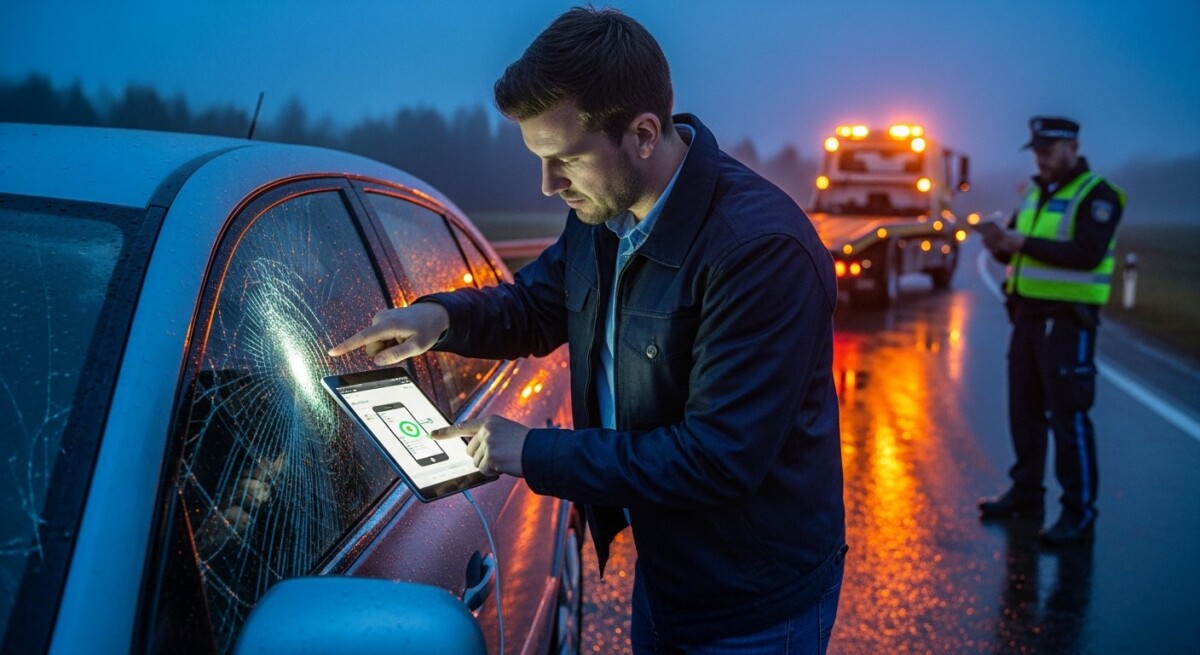
Distracted driving has become one of the most dangerous behaviors on American roads. According to the National Highway Traffic Safety Administration, distracted driving claimed over 3,000 lives in a recent reporting year. Yet proving that a driver was distracted at the moment of a crash remains a major challenge for victims and their legal teams. Without an eyewitness or an admission of fault, how can you demonstrate that a driver was looking at their phone instead of the road? The answer lies in digital evidence. From phone records to vehicle data, modern technology creates a trail that can decisively establish distraction. This article explores the practical methods for proving distracted driving with digital evidence, what types of data are most valuable, and how to preserve and present this information in a personal injury claim or lawsuit.
For victims of distracted driving accidents, the ability to prove fault directly affects the compensation they can recover. When digital evidence confirms that a driver was texting, scrolling social media, or using an app at the time of impact, it shifts liability and strengthens the case for damages. This type of evidence often makes the difference between a settlement offer that covers only immediate expenses and one that accounts for pain, suffering, and long-term medical needs. Understanding how to gather and use this evidence is essential for anyone pursuing a claim after a distracted driving crash.
What Qualifies as Digital Evidence in Distracted Driving Cases
Digital evidence refers to any data stored or transmitted in electronic form that can prove a driver was engaged in a distracting activity. The most common sources include cell phone records, text message logs, social media activity, and data from the vehicle’s onboard systems. Each type of evidence serves a different purpose and requires specific methods of collection and authentication.
Cell phone records from the wireless carrier are often the most reliable source of proof. These records show the date, time, duration, and destination of calls and text messages. They also indicate data usage, which can reveal when a driver was streaming video, browsing the internet, or using apps. In many cases, carriers retain detailed logs for months or years, making it possible to reconstruct the driver’s phone activity around the time of the crash.
Text Messages and Messaging Apps
Text messages are among the most direct forms of digital evidence. If a driver sent or received a text in the seconds before a collision, the timing alone can establish distraction. Messaging apps like WhatsApp, iMessage, and Facebook Messenger also leave traces. However, messages sent through these platforms may be encrypted or stored only on the device, requiring a forensic extraction rather than a simple carrier request. An experienced digital forensics expert can often recover deleted messages or determine the exact time a message was sent or read.
Social Media Activity
Social media platforms can provide a timestamped record of posts, comments, likes, and direct messages. If a driver posted a photo or comment immediately before a crash, that activity demonstrates distraction. Additionally, social media can reveal patterns of behavior, such as frequent posting while driving, which supports the argument that the driver was habitually distracted. Public posts are accessible without a warrant, but private messages may require a subpoena or court order.
Vehicle Event Data Recorders (EDRs)
Modern vehicles are equipped with event data recorders, often called black boxes. These devices capture critical information about the moments before, during, and after a crash. EDR data can include vehicle speed, brake application, steering input, and throttle position. While EDRs do not directly record phone use, they can show a lack of evasive action, such as no braking or steering, which supports the inference that the driver was distracted. When combined with phone records, EDR data creates a powerful timeline of driver behavior.
How to Collect and Preserve Digital Evidence
Digital evidence is fragile. It can be deleted, overwritten, or lost if not preserved quickly and correctly. The first step after any distracted driving accident is to secure potential sources of evidence before they are destroyed. This applies to both the victim’s devices and the at-fault driver’s devices. If you are involved in a crash, follow these steps to protect digital evidence.
- Do not tamper with the at-fault driver’s phone or vehicle. Instead, notify law enforcement immediately so they can secure the scene and request a search warrant if necessary.
- Take screenshots or photographs of any visible phone activity, such as a driver holding a phone or a phone mounted on the dashboard with an active app.
- Request that the responding officer note any signs of distraction, such as the driver holding a phone or the presence of a phone mount, in the official accident report.
- Preserve your own phone records and any dashcam footage that may have captured the incident.
- Contact a qualified personal injury attorney who can issue preservation letters to the at-fault driver’s cell phone carrier and vehicle manufacturer.
Preservation letters are formal requests that compel the carrier or manufacturer to retain all relevant data and prevent automatic deletion. Without such a letter, carriers may delete records after a set period, often 60 to 90 days. Acting quickly is critical to avoid losing key evidence. In our guide on passenger damages in an Arizona drunk driving accident, we explain similar preservation strategies that apply to distracted driving cases as well.
Legal Standards for Admitting Digital Evidence
Digital evidence must meet the same legal standards as any other evidence. It must be relevant, authentic, and not overly prejudicial. Courts require proof that the evidence is what it claims to be and that it has not been altered. This process, called authentication, often requires testimony from a forensic expert or a records custodian from the phone carrier.
For cell phone records, the carrier’s records custodian can provide a sworn certification that the records were kept in the ordinary course of business. This certification may be sufficient to admit the records without requiring the custodian to testify in person. Social media posts can be authenticated by the account holder’s testimony or by metadata that shows when and where the post was created. Vehicle EDR data typically requires a forensic download performed by a trained technician using manufacturer-approved software.
One common challenge is that the at-fault driver may claim someone else was using their phone or that the phone activity occurred before they started driving. To counter this, attorneys often rely on cell tower location data, which can place the phone in the driver’s hand or near the driver’s seat at the time of the crash. GPS coordinates from the phone or from the vehicle’s navigation system can also confirm that the driver was the one operating the device.
Building a Timeline of Distraction
The most effective way to present digital evidence is to construct a detailed timeline of the driver’s actions leading up to the crash. This timeline should integrate phone records, EDR data, and any eyewitness accounts. For example, phone records might show that the driver sent a text message 30 seconds before the collision. EDR data might show that the vehicle did not brake or swerve in the final seconds. Together, these two pieces of evidence create a compelling narrative that the driver was looking at their phone rather than the road.
Attorneys often hire accident reconstruction experts to analyze this data and produce a visual timeline. These experts can create diagrams, animations, and reports that make the evidence accessible to judges and juries. A well-constructed timeline not only proves distraction but also demonstrates the severity of the driver’s negligence, which can increase the value of a claim. For victims seeking compensation, this timeline is the centerpiece of the case. If you need help gathering and presenting this evidence, contact our team at (833) 227-7919 to speak with an experienced attorney.
The Role of Subpoenas and Court Orders
Much of the digital evidence needed to prove distracted driving is not publicly available. Phone carriers, social media platforms, and vehicle manufacturers will not release private data without a subpoena, court order, or the account holder’s consent. In most personal injury cases, the victim’s attorney will file a lawsuit and then issue subpoenas to the relevant third parties. This legal process compels the production of records while also protecting the privacy rights of all parties involved.
Subpoenas must be carefully drafted to request specific data within a specific time frame. A broad or vague subpoena may be challenged or rejected. Attorneys typically request call logs, text message logs, data usage records, and cell tower location data for a window of time that includes the accident and the minutes before and after. For social media, a subpoena can request account activity logs, IP addresses, and timestamps. For vehicle data, a subpoena may be directed to the manufacturer or to the service center that last serviced the vehicle.
It is important to note that obtaining digital evidence through a subpoena takes time. Victims should not expect immediate results. However, the strength of this evidence often justifies the delay, as it can transform a weak case into a clear liability case. In our article on passenger damages in an Arizona drunk driving accident, we discuss similar legal procedures that apply to distracted driving litigation.
Frequently Asked Questions
Can phone records prove a driver was texting at the time of the crash?
Yes, phone records can show the exact time a text message was sent or received. If that time matches the accident time, it creates strong evidence of distraction. However, phone records alone do not prove the driver was holding the phone. Additional evidence, such as cell tower location data or an eyewitness, is often needed to confirm the driver was the one using the phone.
How long do cell phone carriers keep records?
Most major carriers retain call and text logs for 60 to 90 days. Data usage records may be kept longer. This is why it is critical to send a preservation letter as soon as possible after an accident. Once a preservation letter is received, the carrier will retain the records indefinitely until the legal process is complete.
Can deleted text messages be recovered?
Yes, deleted text messages can often be recovered through forensic analysis of the phone. Even if the user deleted the messages, the data may still exist on the device’s storage until it is overwritten. A digital forensics expert can extract this data using specialized software. However, the phone must be seized and analyzed quickly to prevent overwriting.
What if the at-fault driver refuses to hand over their phone?
In a civil case, the court can compel the driver to produce their phone for inspection. If the driver refuses, the court may issue sanctions or instruct the jury to infer that the phone contained evidence of distraction. In a criminal case, law enforcement can obtain a search warrant to seize the phone.
Do I need an attorney to obtain digital evidence?
While it is possible to request phone records on your own, the process is complex and requires knowledge of legal procedures. An experienced personal injury attorney can issue preservation letters, draft subpoenas, and work with forensic experts to ensure the evidence is properly collected and admitted. Attempting to gather this evidence without legal guidance may result in lost or inadmissible evidence.
Closing Thoughts
Proving distracted driving with digital evidence is no longer a futuristic concept. It is a practical and increasingly common strategy in personal injury litigation. Phone records, social media activity, vehicle data, and forensic analysis provide a clear window into a driver’s actions before a crash. For victims, this evidence can be the key to holding negligent drivers accountable and securing fair compensation. If you or a loved one has been injured in a distracted driving accident, take action quickly. Preserve the evidence, consult a qualified attorney, and let the digital trail speak for itself. For more information on how digital evidence can support your case, read our related article on passenger damages in an Arizona drunk driving accident, which covers similar legal principles. And if you are ready to discuss your case, call us at (833) 227-7919 for a free consultation.

About Jason Mitchell
Recent Posts

Cybercrime Lawyer: When to Hire One and What They Do
Facing cybercrime? A cybercrime lawyer can help you recover and protect your rights. Call (833) 227-7919 to get connected with a qualified attorney.
Fraud Defense Lawyer: Your Rights and Legal Options
Facing fraud charges? A fraud defense lawyer can protect your rights. Call (833) 227-7919 to connect with experienced attorneys today.

Identity Theft Lawyer: When to Hire One and How They Help
Identity theft can wreck your credit and finances. An identity theft lawyer helps you recover. Call us at (833) 227-7919 for a free case review.