
What Happens If Your Florida Bankruptcy Case Is Transferred?
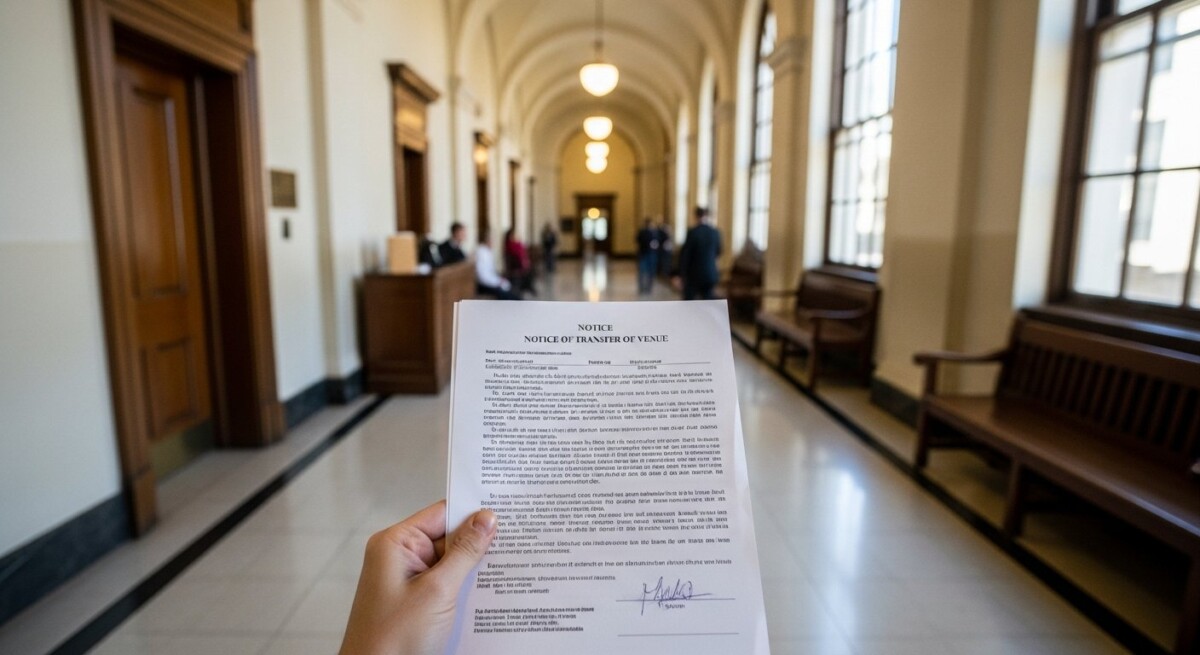
You filed your bankruptcy petition, attended the 341 meeting, and were settling into the process. Then, you receive a notice that your case is being transferred to a different bankruptcy court district within Florida. This sudden shift can be disorienting and raise immediate concerns about delays, added costs, and the overall trajectory of your financial fresh start. While not an everyday occurrence, case transfers are a procedural reality in the federal court system. Understanding why this happens, what it means for you, and how to navigate the change is crucial to maintaining control over your bankruptcy proceeding and ensuring your rights are protected throughout.
Understanding Bankruptcy Venue and Transfer Rules in Florida
Florida is divided into three federal judicial districts for bankruptcy purposes: the Northern, Middle, and Southern Districts. Each has its own main courthouses and local rules. You initially file your case in a district based on “venue,” which is typically proper if you have lived, maintained a domicile, or had a principal place of business or assets in that district for the longer part of the 180 days preceding your filing. However, the initial filing venue is not always permanent. Either a party in interest (like a creditor or the U.S. Trustee) or the court itself can file a motion to transfer the case “in the interest of justice or for the convenience of the parties.” This is not a judgment on the merits of your case but an administrative decision about where it is most appropriately heard. Common grounds for a transfer include if you moved to a different part of Florida shortly before filing, if the majority of your assets and creditors are located in another district, or if related litigation is pending elsewhere. The court has broad discretion in making this determination.
The Immediate Impact of a Case Transfer Order
Once an order to transfer is entered, the clerk of the original court will transmit your entire case file, electronically and physically, to the clerk of the new district. You will receive official notice of this transfer. From that point forward, all future filings, hearings, and communications will be with the bankruptcy court in the new district. This transition triggers several immediate practical effects. Your case number will change to reflect the new district’s docketing system. Any scheduled hearings or deadlines in the original court are vacated and will be rescheduled by the new court, which can potentially cause delays. Most critically, you and your attorney must now comply with the local rules and procedures of the new district, which may differ from the ones you initially prepared for. For example, the required formatting of documents, procedures for reaffirmation agreements, or the handling of certain motions can vary. Failing to adapt to these new rules can have negative consequences for your case.
Key Steps to Take After a Transfer Notice
Proactivity is essential when your case is transferred. Do not assume the process will seamlessly continue without your input. Your first and most important step is to consult immediately with your bankruptcy attorney. They will analyze the transfer order, understand the rationale, and develop a strategy for the new venue. Next, you must obtain and thoroughly review the local rules and standing orders for the new bankruptcy district. Your attorney will handle this, but you should be aware of the need for compliance. You should also update all your records with the new case number and the contact information for the new clerk’s office. Proactively notify any relevant third parties, such as your mortgage lender if you are in a Chapter 13, of the change in venue and provide them with the new case details. Finally, monitor your mail and electronic court docket (PACER) closely for new notices, as the first communication from the new court, such as a rescheduled 341 meeting date, will set the timeline for the remainder of your case. Staying organized during this administrative shift is paramount.
Potential Challenges and How to Address Them
A case transfer introduces specific challenges that require careful management. The most common issue is delay. The administrative process of transferring files and the new court’s calendar can set your case back by several weeks or even months. While frustrating, this delay is often unavoidable. More substantively, a change in venue can sometimes feel like starting over, particularly if the new judge or trustee has different interpretations or focuses. For instance, a trustee in one district may scrutinize certain exemptions more closely than in another. This underscores the value of having an attorney familiar with practices across Florida’s districts. Another challenge is cost. If your attorney is based in the original district, they may need to travel for hearings, potentially incurring additional costs that could be passed on to you. It is vital to discuss fee structures and cost responsibilities with your attorney post-transfer. Furthermore, understanding the nuances of local exemption practices is critical, as explored in our resource on Navigating Florida Bankruptcy Law to Protect Your Assets. A strategic misstep here could jeopardize property you intended to keep.
The Role of Your Attorney in a Transferred Case
Your bankruptcy attorney’s role becomes even more critical when a case is transferred. A competent attorney will not only guide you through the procedural maze but will also advocate for your interests during the transfer process itself. They can oppose a motion to transfer if there are compelling reasons for the case to remain in the original venue. If a transfer is inevitable, they will ensure all procedural steps are followed correctly to avoid dismissals or sanctions. Perhaps most importantly, they bring knowledge of the new court’s “local legal culture.” This includes understanding the preferences of the new assigned judge, the common practices of the Chapter 13 or Chapter 7 trustees in that district, and any unwritten rules that could impact your case’s outcome. For example, if your financial situation is complex, ensuring your means test calculations are defensible is vital, a topic covered in our article on Failing the Florida Bankruptcy Means Test: Your Options. This localized expertise is invaluable for navigating the post-transfer landscape successfully.
Frequently Asked Questions
Can I object to my case being transferred? Yes. If a creditor or the U.S. Trustee files a motion to transfer, you (through your attorney) can file an objection arguing why the current venue is proper or why a transfer is not in the interest of justice. The bankruptcy judge will hear arguments from both sides before ruling.
Will transferring my case change the outcome or my eligibility? The substantive bankruptcy law (the U.S. Bankruptcy Code) does not change with a transfer. Your eligibility for Chapter 7 or Chapter 13, your exemptions, and the dischargeability of debts are governed by federal law. However, as noted, local procedural rules and judicial discretion on certain matters can influence the practical administration of your case.
Do I need to get a new lawyer if my case is transferred to a far-away district? Not necessarily. Many bankruptcy attorneys are admitted to practice in all three Florida districts or can seek pro hac vice admission for a specific case. However, if your attorney is not familiar with the new district’s local rules, it may be prudent to associate with local counsel or, in rare cases, change representation. Discuss this openly with your current attorney.
What if a creditor files an adversarial proceeding after the transfer? An adversarial proceeding is a lawsuit within the bankruptcy case. If your main case is transferred, any related adversarial proceedings typically follow. The procedures for these complex matters are critical, and you can learn more about them in our guide, What Happens When a Creditor Files an Adversary Proceeding in Florida.
Can a transfer affect my payment plan in a Chapter 13? It can. While the plan terms are based on your budget, different districts and trustees have different standard practices for plan confirmation and modifications. Your attorney may need to adjust the plan language or negotiate with a new trustee to get it confirmed in the new venue.
While the transfer of a bankruptcy case within Florida adds a layer of complexity, it is a manageable procedural event. The key is not to panic but to become systematically engaged. By understanding the reasons behind the transfer, taking prompt and organized action, and relying on the expertise of your legal counsel, you can navigate this change effectively. Remember, the core goal of your bankruptcy, achieving a financial fresh start, remains unchanged. Staying informed and proactive ensures that a change in venue does not derail your path to debt relief. For comprehensive support on related financial legal matters, including dealing with insurance issues that may arise from pre-bankruptcy events, consider reviewing information on Finding Florida’s Best Personal Injury Lawyers for Your Case.

About Talia Rosen
Recent Posts

When to Hire a Property Damage Lawyer for Your Claim
Get help with property damage claims. Call our team at (833) 227-7919 to connect with a skilled property damage lawyer.

HOA Attorney: When to Call for Board Disputes
Resolve HOA conflicts with an experienced attorney. Call (833) 227-7919 for a free consultation today.

When to Hire a Land Use Attorney for Your Property
Find the right land use attorney to navigate zoning, permits, and property disputes. Call (833) 227-7919 for a free referral today.