
Forget to Disclose Asset in Texas Bankruptcy? Key Risks
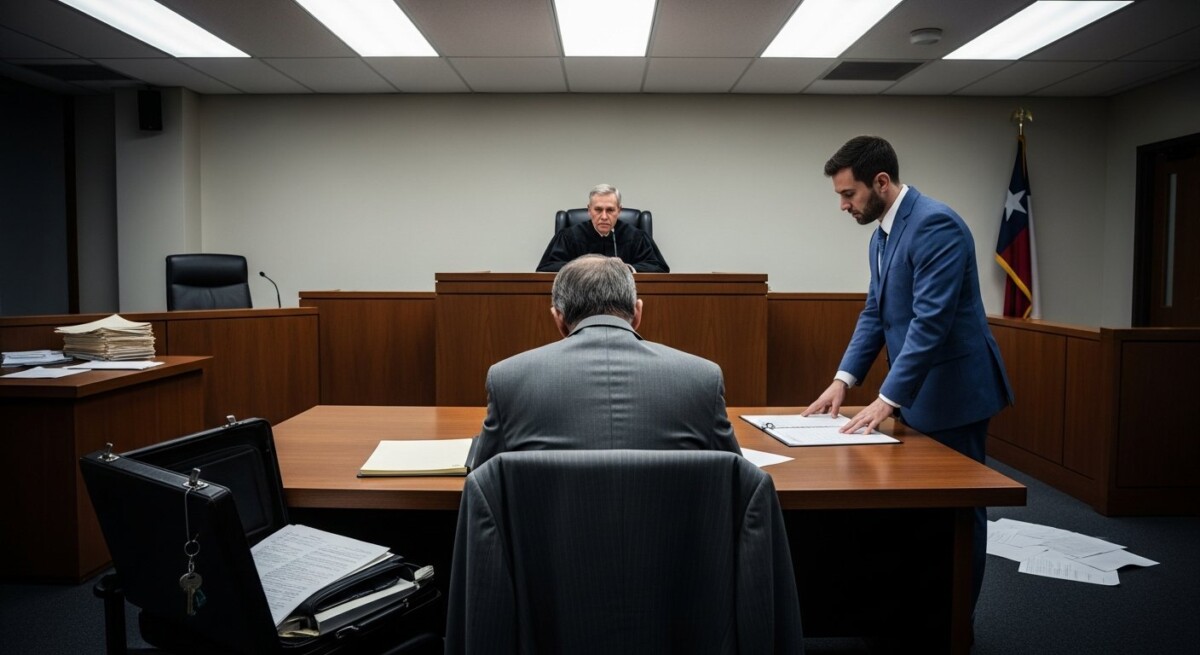
Filing for bankruptcy in Texas offers a fresh financial start, but it demands complete honesty. One of the most common mistakes filers make is forgetting to list an asset on their bankruptcy schedules. Whether it is an old boat, a small inheritance, or a tax refund, failing to disclose property can have serious consequences. If you are asking yourself, “What happens if you forget to disclose asset in Texas bankruptcy?” the answer depends on whether the omission was accidental or intentional and at what stage it is discovered. This article explains the legal risks, potential penalties, and steps you can take to fix the mistake before it becomes a federal offense.
The Legal Duty to Disclose All Assets
Under the U.S. Bankruptcy Code, every debtor must file a complete list of all assets, liabilities, income, and expenses. This requirement applies regardless of whether the asset is exempt or non-exempt. In Texas, debtors often claim generous state exemptions, such as unlimited homestead equity and personal property up to certain limits. However, even exempt assets must be disclosed. The bankruptcy trustee and creditors rely on your schedules to determine whether any non-exempt property can be liquidated to pay debts. Hiding an asset, even by accident, undermines the integrity of the system.
The bankruptcy petition includes a signature under penalty of perjury. By signing, you swear that the information is true and complete. If a court later finds that you knowingly omitted an asset, you could face perjury charges. In Texas, perjury in a federal bankruptcy proceeding is a felony punishable by up to five years in prison. Even if the omission was unintentional, the trustee may view it with suspicion. The trustee has broad investigative powers and can subpoena bank records, tax returns, and other documents to verify your schedules. If the trustee discovers an undisclosed asset, the consequences can range from a simple amendment to dismissal of your case or denial of your discharge.
What Happens If You Forget to Disclose an Asset in Texas Bankruptcy?
The specific outcome depends on several factors: when the mistake is discovered, whether the asset has value, and whether the omission appears deliberate. Below is a breakdown of the most common scenarios.
Scenario 1: You Discover the Mistake Before Your Case Closes
If you realize you forgot to list an asset before the bankruptcy court enters your discharge order, you can usually fix the problem without serious penalties. You or your attorney can file an amended Schedule A/B (personal property) and any other affected schedules. You must also notify the trustee. The trustee may reopen the meeting of creditors (the 341 meeting) to ask questions about the newly disclosed asset. If the asset is exempt under Texas law, the trustee will likely abandon it, meaning you keep it. If the asset is non-exempt, the trustee may sell it and distribute the proceeds to your creditors. In most cases, as long as you act promptly and honestly, the court will allow the amendment. However, the trustee may charge an additional fee or require you to pay the cost of reopening the case. This scenario is the best-case outcome, but it still creates delay and extra expense.
Scenario 2: The Trustee Discovers the Asset First
If the trustee finds an undisclosed asset through a bank statement, a credit report, or a tip from a creditor, the situation becomes more serious. The trustee may object to your discharge or file a motion to dismiss the case. In Texas, trustees often give debtors a chance to amend if the omission appears innocent. But if the asset has significant value or the trustee suspects fraud, they may push for denial of discharge. A denial of discharge means you remain personally liable for all dischargeable debts, such as credit cards and medical bills. The asset itself may still be seized and sold. This outcome effectively destroys the purpose of filing bankruptcy. To avoid this, you must be proactive. If you suspect the trustee may have found something, consult your attorney immediately. Never ignore a trustee’s request for documents or information.
Scenario 3: The Mistake Is Discovered After Your Case Closes
Bankruptcy cases do not always end when the discharge is entered. The court retains jurisdiction to reopen a case for cause, such as administering a previously undisclosed asset. If you or the trustee discovers a forgotten asset after your discharge, the trustee can ask the court to reopen the case. The trustee can then take control of the asset, sell it, and distribute the proceeds to creditors. The discharge does not protect the asset itself from liquidation. In extreme cases, the court can revoke your discharge if it finds that you acted fraudulently. Revocation is rare but possible if the trustee proves you knowingly concealed the asset. Even if the court does not revoke the discharge, you lose the asset. For example, if you inherited $50,000 from a relative two years after filing, but forgot to disclose the potential inheritance because it was not yet certain, the trustee may still have a claim to it. Texas law requires you to disclose any contingent or future interest in property. A potential inheritance is considered an asset.
Types of Assets Commonly Forgotten in Texas Bankruptcy
Some assets are easy to overlook, especially if they have sentimental value or appear insignificant. Below is a list of frequently omitted items. Reviewing this list may help you avoid an accidental omission.
- Tax refunds: A pending or expected refund is an asset. If you file bankruptcy in the middle of the year, a portion of the refund may be non-exempt.
- Security deposits: Deposits held by landlords, utility companies, or property managers are assets that must be listed.
- Lawsuits or claims: Any pending lawsuit, personal injury claim, or potential legal cause of action is an asset, even if you have not yet filed suit.
- Inheritances: If a relative has passed away and you expect to receive property, you must disclose it. The same applies if you are named as a beneficiary in a will or trust, even if the estate has not been settled.
- Vehicles and recreational property: Boats, ATVs, motorcycles, campers, and trailers are often forgotten. Even if the vehicle is old or broken down, it must be listed.
- Digital assets: Cryptocurrency accounts, online payment accounts (PayPal, Venmo), and intellectual property are assets in the eyes of the court. Many filers forget to include Bitcoin or other digital holdings.
- Tools of the trade: Texas allows an exemption for tools and equipment up to a certain value, but you must disclose them to claim the exemption.
Each of these items can trigger a trustee inquiry if omitted. Even if the asset is exempt, the trustee needs to verify the exemption claim. If you fail to list the asset, the exemption is not applied, and the trustee may treat the property as non-exempt. In that case, you could lose something you were legally entitled to keep.
How the Texas Exemption System Affects Disclosure
Texas is unique because it allows debtors to choose between state and federal exemptions in some cases, but most Texas residents use the state exemption scheme. Texas exemptions are generous, but they are not automatic. You must claim each exemption on your schedules. If you forget to list an asset, you also forget to claim the exemption for it. The trustee does not assume an exemption exists. You must specifically identify the legal basis for keeping the property. For example, a homestead exemption protects your home equity, but only if you list the property and claim the exemption. The same applies to personal property such as furniture, clothing, and vehicles. In Texas, you can exempt up to $100,000 of personal property for a family or $50,000 for a single adult (adjusted for inflation). But if you fail to disclose a valuable piece of artwork or jewelry, you lose the chance to protect it. The trustee may seize and sell it, even if it would have been exempt had you listed it. This is a harsh but common consequence of a simple oversight.
Texas also permits a wildcard exemption of up to $15,000 for unused homestead exemption. This wildcard can protect almost any type of property. However, you cannot use it if you never disclose the asset. The message is clear: disclose everything, and let the exemption system work for you. Do not assume an asset is worthless or exempt without listing it.
Can You Amend Your Bankruptcy Schedules After Filing?
Yes, you can amend your schedules at any time before your case closes. Federal Rule of Bankruptcy Procedure 1009 allows a debtor to amend voluntarily at any time before the case is closed. The amendment must be filed with the court, and you must serve a copy on the trustee and all creditors. There is no limit on the number of amendments, but frequent or late amendments may raise red flags. If you discover an omission, file the amendment as soon as possible. The longer you wait, the more likely the trustee will question your good faith. In Texas, many bankruptcy courts have local rules requiring a fee for certain amendments, but the cost is usually small compared to the risk of losing the asset or your discharge. If you are unsure whether an asset needs to be listed, err on the side of disclosure. It is better to list an asset and later determine it is exempt than to omit it and face consequences.
If your case has already closed, you can still ask the court to reopen it for the limited purpose of amending schedules. The court may grant the motion if you show good cause, such as an innocent mistake. However, reopening a case costs money and may require a new filing fee. The trustee may also demand payment of administrative expenses. This is why it is critical to review your schedules thoroughly before signing them. Work with an experienced Texas bankruptcy attorney to ensure nothing is missed.
What If the Undisclosed Asset Has No Value?
Even if an asset has no monetary value, you should still list it. The bankruptcy code requires a complete inventory. For example, if you own a car that is totaled and has a salvage value of only $200, you must list it. The trustee will likely abandon it as burdensome or of inconsequential value. But if you do not list it, the trustee may later argue that you concealed property, leading to a denial of discharge. The law does not distinguish between valuable and worthless assets when it comes to the duty to disclose. The only question is whether the omission was knowing and fraudulent. To avoid any appearance of impropriety, list every item you own. If you are unsure whether something qualifies as an asset, ask your attorney. Common examples include household goods, clothing, and small cash amounts. These items are typically exempt, but they still appear on the schedules.
The Role of Your Attorney in Preventing Omissions
A skilled bankruptcy attorney plays a crucial role in ensuring full disclosure. At the initial consultation, your attorney should ask you detailed questions about your property, income, and financial history. You must provide complete and honest answers. Many law firms use intake questionnaires that list dozens of asset categories. Take the time to fill these out thoroughly. If you cannot remember everything, review bank statements, tax returns, and property records. Your attorney can also run a credit report to identify potential assets, such as old bank accounts or vehicles. However, the ultimate responsibility rests with you. The attorney relies on the information you provide. If you intentionally hide an asset, the attorney cannot protect you from the consequences. In fact, the attorney may have to withdraw from the case if you admit to fraud. For a deeper look at how bankruptcy filings can be scrutinized, see our article on what happens when your bankruptcy filing is audited.
Frequently Asked Questions
Can I lose my bankruptcy discharge for forgetting an asset?
Yes, if the court finds that you acted recklessly or intentionally. Accidental omissions that are corrected promptly usually do not lead to denial of discharge. However, if the trustee proves you knew about the asset and chose not to list it, the court may deny your discharge or revoke it later.
What should I do if I realize I forgot an asset after my 341 meeting?
Contact your attorney immediately. You can still amend your schedules before the case closes. The trustee may schedule a continued meeting of creditors to ask about the asset, but this is generally manageable if you cooperate.
Does Texas law treat undisclosed assets differently from federal law?
Texas bankruptcy courts follow federal procedural rules, but Texas exemption law applies to the property itself. The consequences for non-disclosure are the same across all states: potential denial of discharge, case dismissal, or criminal charges. The main difference is the type of property that is exempt, not the disclosure requirement.
Can I keep an undisclosed asset if it is exempt under Texas law?
No. Even if the asset is exempt, you must disclose it to claim the exemption. If you do not list it, the trustee may seize it. The court will not protect an asset that was hidden, even if it would have been exempt. You must affirmatively claim the exemption on your schedules.
Will the trustee automatically find my undisclosed asset?
Not always, but trustees have access to databases, credit reports, and public records. They often spot inconsistencies between your schedules and your credit report. For example, an old mortgage on a rental property may show up on your credit report even if you did not list the property. The trustee will then investigate. It is better to disclose voluntarily than to wait for the trustee to discover the omission.
For more information on how bankruptcy interacts with family matters, read our guide on what happens when your spouse files bankruptcy alone in Texas.
If your case involves a mortgage lender contesting your bankruptcy, you may find value in our article on what happens when your mortgage lender contests bankruptcy.
Finally, if you are considering a transfer of your case to another district, review our analysis of what happens if your bankruptcy case is transferred.
Forgetting to disclose an asset in Texas bankruptcy is a serious matter, but it does not have to ruin your fresh start. The key is to act quickly, be honest, and work with an attorney who can guide you through the amendment process. The best strategy is prevention: take the time to list every item you own, no matter how small. Your financial future depends on it.

About Pierce Larkin
Recent Posts

Cybercrime Lawyer: When to Hire One and What They Do
Facing cybercrime? A cybercrime lawyer can help you recover and protect your rights. Call (833) 227-7919 to get connected with a qualified attorney.

Fraud Defense Lawyer: Your Rights and Legal Options
Facing fraud charges? A fraud defense lawyer can protect your rights. Call (833) 227-7919 to connect with experienced attorneys today.

Identity Theft Lawyer: When to Hire One and How They Help
Identity theft can wreck your credit and finances. An identity theft lawyer helps you recover. Call us at (833) 227-7919 for a free case review.