
Can You Sue for a Seatbelt Malfunction Injury in California?
If a seatbelt malfunction caused your injuries in California, you have the right to sue for compensation. Call (833) 227-7919 for a free case evaluation with our product liability attorneys.

By Jordan Parker
You buckle up, trusting that simple click to be your primary defense in a crash. But what happens when that trust is broken? A seatbelt malfunction can turn a safety device into a source of catastrophic injury, leaving victims with a complex legal battle. In California, the answer is clear: you can absolutely sue if a defective seatbelt fails and causes you harm. These cases hinge on proving the seatbelt was unreasonably dangerous due to a design flaw, manufacturing error, or inadequate warning, and that this defect directly caused your injuries. Navigating these claims requires a deep understanding of both product liability and personal injury law, making expert legal guidance essential for securing the compensation you deserve for medical bills, lost income, and pain and suffering.
Understanding Seatbelt Malfunction Claims in California
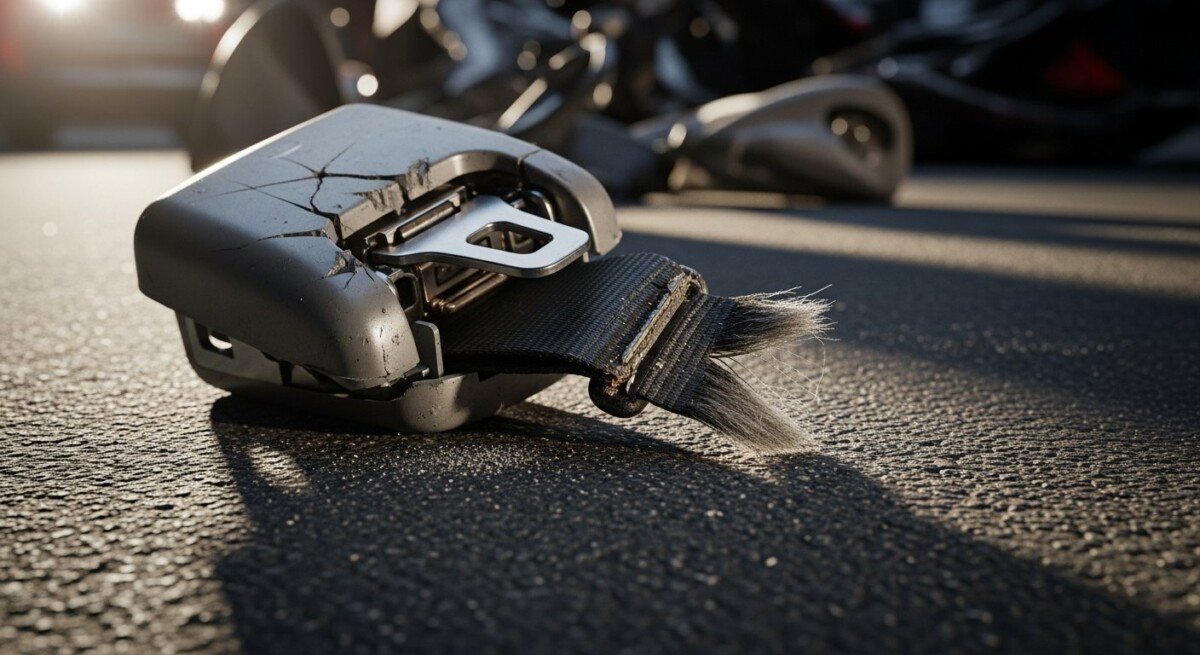
When a seatbelt fails, the consequences are often severe. Common malfunctions include false latching, where the buckle appears to engage but releases on impact, retractor failure, which allows excessive slack and ejection, and webbing tear or detachment. In a collision, these failures can lead to ejection from the vehicle, violent impact with the interior, or increased severity of common crash injuries. California operates under a “fault” system for car accidents, but a seatbelt case is distinct. Your claim is not primarily against the other driver, but against the entities responsible for the defective safety device. This shifts the legal framework from simple negligence to the more complex realm of product liability.
Product liability law in California imposes strict liability on manufacturers, distributors, and retailers for defects that cause injury. This means you do not necessarily need to prove the company was negligent, only that the product was defective and that the defect caused your harm. There are three primary types of defects in seatbelt cases. A design defect exists when the inherent blueprint of the seatbelt is unsafe, even if manufactured perfectly. A manufacturing defect occurs when the individual seatbelt unit deviates from its intended design during production, making it more dangerous than others. A failure-to-warn defect involves inadequate instructions or warnings about the proper use or limitations of the seatbelt. Establishing which type of defect occurred is a critical first step in building a strong lawsuit.
Key Elements to Prove in Your Lawsuit
To succeed in a seatbelt malfunction lawsuit, you and your attorney must methodically establish several key elements. The burden of proof rests on you, the plaintiff, to demonstrate these factors by a preponderance of the evidence. First, you must prove the existence of a defect. This often requires expert testimony from engineers or accident reconstruction specialists who can examine the seatbelt, the vehicle, and the crash dynamics to identify the specific failure point. Preserving the evidence, including the seatbelt itself and the vehicle, is paramount. Second, you must prove that the defect existed at the time the product left the defendant’s control. The defense may argue that wear and tear or improper maintenance caused the failure, so demonstrating the seatbelt was not altered after purchase is crucial.
Third, and most critically, you must establish causation. You need to show that the seatbelt defect directly caused your injuries. This can be complex, as insurance companies will often argue that your injuries would have occurred anyway or were caused by the force of the crash itself. You must demonstrate that a properly functioning seatbelt would have prevented or significantly reduced the severity of your injuries. This is where medical testimony and biomechanical analysis become invaluable. For instance, if you suffered a severe head injury from striking the windshield after being ejected, experts can correlate that injury with the seatbelt’s failure to restrain. Understanding how to prove injury causation is also vital in other types of crash cases, such as when suing for a concussion after a minor car accident in California.
Potential Defendants in a Seatbelt Injury Case
Identifying the correct parties to hold liable is a strategic component of your claim. Multiple entities in the chain of distribution can share responsibility. The primary defendant is typically the seatbelt manufacturer. However, you may also have claims against the vehicle manufacturer, especially if the defect involves how the seatbelt was integrated into the vehicle’s design. The parts supplier who provided a faulty component, such as a defective buckle or retractor mechanism, can also be liable. In some cases, even the dealership or repair shop could be named if they modified or incorrectly serviced the seatbelt system. Your attorney will conduct a thorough investigation to identify all potentially liable parties to ensure maximum recovery potential.
It is important to understand that California follows the rule of comparative fault. If you are found partially at fault for your injuries, for example, by not properly wearing the seatbelt (even if it was defective), your compensation can be reduced by your percentage of fault. However, this does not bar recovery unless you are found 100% at fault. A skilled lawyer will work to counter such allegations and minimize any assigned fault. The interplay between product liability and personal injury principles makes these cases multifaceted. Similarly, other injury claims require navigating specific legal hurdles, like the challenges involved in suing for whiplash without MRI proof in California.
Damages You Can Recover
Victims of seatbelt malfunctions often sustain life-altering injuries, from spinal cord damage and traumatic brain injuries to internal organ damage and severe fractures. California law allows for the recovery of both economic and non-economic damages to make you as whole as possible. Economic damages are quantifiable financial losses, including all past and future medical expenses, rehabilitation costs, lost wages, loss of future earning capacity, and property damage. Non-economic damages compensate for intangible losses, such as pain and suffering, emotional distress, loss of enjoyment of life, and disfigurement. In rare cases involving egregious corporate misconduct, punitive damages may be awarded to punish the defendant and deter similar behavior in the future.
Calculating these damages, especially future needs, requires careful projection. Life care plans, vocational experts, and economists may be consulted to build a comprehensive picture of your long-term losses. The goal is to secure a settlement or verdict that provides for a lifetime of care and compensates for the profound impact on your quality of life. The process of seeking full compensation is demanding, much like other complex legal undertakings such as understanding how to file bankruptcy in California without a lawyer, where navigating the system correctly is critical to outcome.
The Legal Process and Why an Attorney Is Essential
Pursuing a seatbelt defect case is a formidable challenge against well-funded corporate defendants and their insurance carriers. The process typically begins with a detailed investigation and preservation of evidence. A demand package is then sent to the defendants, outlining the claim and the damages sought. If a settlement cannot be reached, a lawsuit is filed, initiating the discovery phase where both sides exchange information and take depositions. Most cases settle before trial, but your attorney must be fully prepared to take the case to a jury. Throughout this process, having a legal advocate levels the playing field. An experienced product liability attorney knows how to hire the right experts, handle aggressive defense tactics, and present a compelling narrative about how the defective seatbelt changed your life.
Time is of the essence due to California’s statute of limitations. You generally have two years from the date of the injury to file a personal injury lawsuit. However, the discovery rule may apply if you did not immediately know the seatbelt was defective. Furthermore, different deadlines may apply if the claim involves a government vehicle. Consulting an attorney immediately ensures all critical deadlines are met and evidence is preserved. The value of specialized legal guidance cannot be overstated, whether in a product liability case or when seeking direction for financial challenges, similar to the expertise described in our resource on how an NJ bankruptcy lawyer can guide you to financial freedom.
Frequently Asked Questions
What is the first thing I should do if I suspect a seatbelt malfunction caused my injury? Seek medical attention immediately. Then, if possible, preserve the vehicle and seatbelt in their post-accident condition. Do not allow the insurance company to inspect or take possession of the evidence without your attorney present. Document everything with photos and detailed notes.
How long do I have to file a seatbelt lawsuit in California? The statute of limitations for personal injury is typically two years from the date of the accident. For a wrongful death claim, it is also two years from the date of death. However, exceptions can apply, so consult a lawyer as soon as possible to protect your rights.
What if I was not wearing my seatbelt properly? Can I still sue? Possibly. California’s comparative fault rule may reduce your compensation if your improper use contributed to the injury. However, a manufacturer may still be liable if the seatbelt design was unreasonably confusing or prone to misuse, or if the defect was a separate cause of injury.
Who is responsible if a recalled seatbelt fails? Manufacturers are obligated to notify owners of recalls. If you were not notified and a recalled part fails, the manufacturer is likely liable. If you were notified but did not get the repair, liability may become contested. An attorney can analyze the specific facts of your case.
What kind of compensation can I expect from a seatbelt malfunction case? Compensation varies widely based on injury severity, impact on your life, and the strength of the evidence. It can cover medical bills, lost income, pain and suffering, and more. High-value cases often involve permanent disabilities requiring lifelong care.
If a faulty seatbelt failed to protect you or a loved one, taking legal action is not just about seeking compensation, it is about demanding accountability from corporations entrusted with public safety. These cases are complex, but with dedicated legal representation, you can fight for the justice and financial security needed to move forward. Do not let the complexity of product liability law deter you from exploring your rights and options after such a profound failure of a critical safety device.