
PFAS Forever Chemical Lawsuit 2026: Key Updates
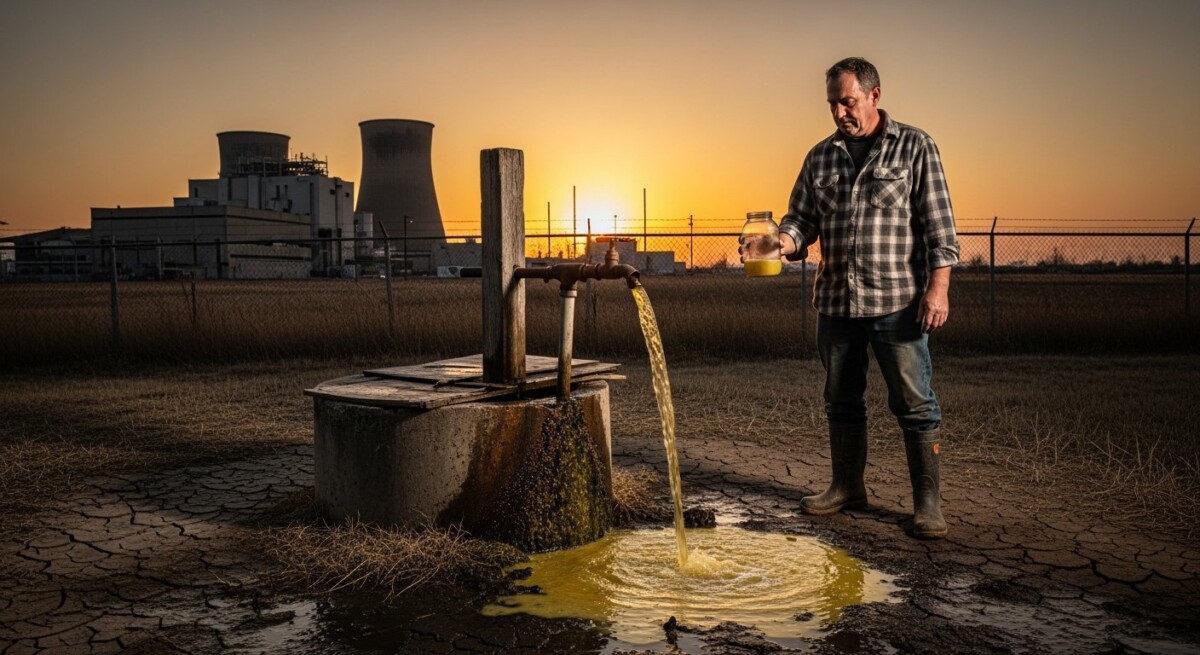
By early 2026, the legal landscape surrounding PFAS forever chemical lawsuits has reached a critical inflection point. Thousands of individuals, municipal water providers, and state governments have filed claims against manufacturers like 3M, DuPont, and Chemours, alleging that per- and polyfluoroalkyl substances (PFAS) have contaminated drinking water, soil, and human blood. The Environmental Protection Agency’s strict new drinking water standards, finalized in 2024, have triggered a wave of litigation that shows no sign of slowing. For anyone who has lived near a manufacturing site, military base, or airport where firefighting foam was used, understanding the PFAS forever chemical lawsuit 2026 landscape is essential for evaluating your legal rights and potential compensation. This article breaks down the latest court developments, settlement structures, eligibility criteria, and practical steps you can take to protect your health and your claim.
The Science Behind PFAS and Why Lawsuits Keep Growing
PFAS are a group of more than 5,000 synthetic chemicals used since the 1940s for their resistance to heat, water, and grease. They are found in nonstick cookware, waterproof clothing, food packaging, and firefighting foams. The nickname “forever chemicals” comes from their extreme environmental persistence. They do not break down naturally and can remain in the human body for years after exposure.
Scientific studies have linked PFAS exposure to kidney cancer, testicular cancer, thyroid disease, ulcerative colitis, pregnancy-induced hypertension, and elevated cholesterol. These health outcomes form the medical foundation of the PFAS forever chemical lawsuit 2026 claims. As more research emerges linking PFAS to additional cancers and immune system disorders, the pool of potential plaintiffs continues to expand. The multidistrict litigation (MDL) in South Carolina, known as In re Aqueous Film-Forming Foams Products Liability Litigation (MDL 2873), has consolidated thousands of cases for pretrial proceedings, with bellwether trials setting the stage for potential global settlements.
The Current Status of PFAS Litigation in 2026
As of 2026, the PFAS MDL has processed over 8,000 individual personal injury claims and more than 300 water provider cases. The court has established a three-track system for bellwether trials: Track 1 focuses on kidney cancer claims, Track 2 on testicular cancer claims, and Track 3 on ulcerative colitis and thyroid claims. The first Track 1 bellwether trial concluded in late 2025 with a plaintiff verdict, sending a strong signal to manufacturers that juries hold them accountable for failing to warn about PFAS risks.
Several large settlements have already been reached. In 2023, 3M agreed to pay $10.3 billion to public water systems for PFAS remediation. DuPont and Chemours reached a $1.2 billion settlement for water contamination claims. However, individual personal injury claims for cancer and other diseases remain largely unsettled, with negotiations ongoing. The PFAS forever chemical lawsuit 2026 landscape is therefore a mix of resolved water claims and actively litigated personal injury cases. If you have been diagnosed with a PFAS-related condition, your claim falls into the latter category and requires prompt action.
Who Can File a PFAS Lawsuit in 2026
Eligibility for a PFAS lawsuit depends on two main factors: proof of exposure and a qualifying medical diagnosis. The following groups are generally considered eligible to file a PFAS forever chemical lawsuit 2026 claim:
- Residents near known contamination sites , Individuals who lived for at least one year near a PFAS source such as a manufacturing plant, military base, airport, fire training facility, or landfill where PFAS waste was dumped.
- Workers with occupational exposure , Firefighters, chemical plant employees, and military personnel who used PFAS-containing foams or worked in facilities where PFAS were produced.
- Individuals with a qualifying diagnosis , The MDL currently covers diagnoses of kidney cancer, testicular cancer, ulcerative colitis, thyroid cancer, thyroid disease, and pregnancy-induced hypertension. Other conditions may be added as science evolves.
- Municipalities and water utilities , Public water systems that have detected PFAS levels above the EPA’s new enforceable maximum contaminant levels (MCLs) of 4 parts per trillion for PFOA and PFOS.
If you fall into one or more of these categories, you should seek a legal evaluation as soon as possible. Statutes of limitations vary by state, and some deadlines have already begun to run. In our guide on GLP-1 Agonist Lawsuits: Ozempic and Wegovy 2026 Update, we explain how mass tort timelines can impact your ability to recover damages.
Types of Damages Available in PFAS Lawsuits
Plaintiffs in PFAS forever chemical lawsuit 2026 cases can seek several categories of compensation. The specific damages available depend on the nature of the claim and the severity of the harm. Common damage types include:
Medical Expenses and Monitoring
Past and future medical costs related to PFAS-linked illnesses are recoverable. This includes hospital bills, chemotherapy, surgery, prescription medications, and ongoing monitoring for recurrence. Many plaintiffs also seek court-ordered medical monitoring programs to detect early signs of PFAS-related disease even if they are not yet symptomatic.
Lost Wages and Reduced Earning Capacity
Cancer and chronic illnesses can prevent victims from working for extended periods. Damages for lost income, lost benefits, and diminished future earning potential are a significant component of many PFAS claims. Economic experts often calculate these losses using actuarial models and career trajectory analysis.
Pain and Suffering
Non-economic damages compensate victims for physical pain, emotional distress, loss of enjoyment of life, and the psychological toll of a cancer diagnosis. In bellwether trials, juries have awarded substantial sums for pain and suffering, particularly in cases involving aggressive cancers or permanent disability.
Punitive Damages
Where plaintiffs can demonstrate that PFAS manufacturers acted with reckless disregard or intentional concealment, punitive damages may be awarded to punish the defendant and deter future misconduct. The 2025 bellwether verdict included a punitive damages component, signaling that juries are willing to impose significant financial penalties on companies that prioritized profits over public health.
How to Start Your PFAS Claim: A Step-by-Step Process
Taking action on a PFAS forever chemical lawsuit 2026 claim involves several critical steps. Following a structured approach can help you avoid common mistakes and maximize your recovery.
- Confirm your exposure history. Gather records of where you lived and worked, water quality reports from your area, and any documentation of known PFAS contamination near your home or workplace. Military service records, employment files, and property deeds can all be useful.
- Obtain a medical diagnosis. If you have been diagnosed with a PFAS-linked condition such as kidney cancer, testicular cancer, or ulcerative colitis, collect all medical records including pathology reports, imaging studies, and treatment summaries. If you have not yet been diagnosed but have elevated PFAS blood levels, consider regular medical monitoring.
- Preserve evidence. Keep water bills, property records, photographs of property conditions, and any correspondence with government agencies about contamination. Do not discard old medical records or personal journals that document health changes.
- Contact an experienced mass tort attorney. PFAS litigation is highly specialized and requires lawyers familiar with the MDL process, scientific evidence, and defense tactics. A qualified attorney can evaluate your case, advise on the best filing strategy, and handle all communications with defendants.
- Submit your case for review. Through LawyerCaseReview, you can submit your case details to be evaluated by partnering law firms that focus on PFAS and mass tort litigation. This process helps you identify the right legal team without upfront costs.
Time is of the essence. As the MDL progresses, courts may impose deadlines for filing claims or joining settlement classes. In our analysis of Tennessee DUI Law Changes 2026 Lower BAC Limits, we discuss how legal deadlines can shift rapidly, and the same principle applies here. Do not wait until a statute of limitation has passed.
Key Challenges in PFAS Litigation
While the momentum of PFAS litigation favors plaintiffs, several challenges remain. Defendants argue that alternative causes (such as smoking, genetics, or other environmental exposures) may explain plaintiffs’ illnesses. They also challenge the scientific evidence linking low-level PFAS exposure to specific cancers. Moreover, some plaintiffs face difficulty proving which manufacturer’s product caused their exposure, especially in regions with multiple contamination sources.
Another significant challenge is the sheer volume of claims. The court system is processing thousands of cases simultaneously, which can lead to delays. Settlement negotiations may take years to reach all affected individuals. Plaintiffs who file early and have strong exposure evidence often receive priority in the settlement process. Those who wait may find themselves in a later settlement tier with fewer available funds.
The EPA’s enforcement of PFAS drinking water standards also creates pressure on municipalities to remediate contamination. However, the cost of filtration systems is enormous, and many communities are turning to lawsuits against manufacturers to recover those costs. This interplay between regulatory action and private litigation is likely to define the PFAS forever chemical lawsuit 2026 landscape for years to come.
The Role of Blood Testing and Medical Monitoring
Blood testing for PFAS levels can serve as powerful evidence in a lawsuit. Tests measure the concentration of specific PFAS compounds, such as PFOA and PFOS, in your blood. The average American has PFAS levels in the range of 2-5 parts per billion, but individuals with high exposure may have levels exceeding 100 parts per billion. While no official “safe” threshold exists, higher levels strengthen the argument that your exposure came from a specific source.
Medical monitoring is a form of relief that does not require a current illness. It allows individuals with documented high exposure to receive regular screenings for PFAS-related conditions. Many states have laws that permit medical monitoring claims in toxic exposure cases. Even if you feel healthy today, a medical monitoring claim can provide financial resources for future check-ups and early detection.
If you have questions about how to document your exposure or obtain PFAS blood testing, the resources available through LawyerCaseReview can help connect you with attorneys who understand the scientific and medical dimensions of these cases. For a broader perspective on how mass torts evolve, see our coverage of GLP-1 Agonist Lawsuits: Ozempic and Wegovy 2026 Update.
Settlement Outlook for 2026 and Beyond
Legal experts predict that 2026 will be a year of significant settlement activity in PFAS litigation. The water provider settlements have established a framework for compensating public entities, and the personal injury bellwether trials are providing benchmarks for valuing individual claims. Some analysts estimate that total PFAS liability for manufacturers could exceed $50 billion across all claims.
However, not all cases will settle. Some plaintiffs may prefer to take their cases to trial, particularly if they have strong evidence of egregious misconduct by defendants. Others may opt into class-action settlements that offer faster but potentially lower payouts. The decision to settle or litigate depends on individual circumstances and should be made with experienced legal counsel.
It is also important to note that PFAS litigation is not limited to the United States. Canadian, Australian, and European courts are seeing similar claims against the same manufacturers. Global coordination of legal strategies may influence settlement terms and timelines. As of 2026, the U.S. MDL remains the largest and most advanced forum for PFAS claims.
Frequently Asked Questions About PFAS Lawsuits in 2026
What is the PFAS forever chemical lawsuit 2026 about?
The PFAS forever chemical lawsuit 2026 refers to the ongoing multidistrict litigation against manufacturers of PFAS chemicals for contaminating water supplies and causing personal injuries such as cancer, thyroid disease, and ulcerative colitis. Plaintiffs seek compensation for medical expenses, lost wages, and other damages.
How do I know if I qualify to file a PFAS lawsuit?
You may qualify if you have lived or worked near a known PFAS contamination site, such as a military base, airport, or chemical plant, and have been diagnosed with a PFAS-linked condition. Even without a current diagnosis, you may have a claim for medical monitoring if your blood PFAS levels are elevated.
Is there a deadline to file a PFAS lawsuit?
Yes. Every state has a statute of limitations for personal injury and property damage claims, typically ranging from 2 to 6 years from the date of discovery. Because PFAS exposure often occurs over many years, the discovery date can be complex. Consulting an attorney promptly is strongly recommended.
How much compensation can I receive from a PFAS lawsuit?
Settlement amounts vary widely based on the severity of illness, strength of exposure evidence, and jurisdiction. Early bellwether verdicts have ranged from $1 million to $12 million for cancer plaintiffs. Water provider settlements have reached billions of dollars for remediation costs.
Do I need a lawyer to file a PFAS claim?
While it is technically possible to file a claim without a lawyer, it is strongly discouraged. PFAS litigation involves complex scientific evidence, multiple defendants, and procedural rules that are difficult for non-lawyers to navigate. An experienced mass tort attorney can significantly increase your chances of a favorable outcome.
Can I still file if my PFAS exposure happened decades ago?
Yes. PFAS persist in the environment and in the human body for long periods. Many plaintiffs were exposed in the 1970s, 1980s, or 1990s and are only now developing related illnesses. The key is whether the statute of limitations has run from the date you discovered or should have discovered the connection between your illness and PFAS exposure.
Steps to Take Right Now
If you believe you have a PFAS claim, do not wait. The legal window for filing is finite, and the evidence needed to prove your case becomes harder to gather over time. Start by documenting your exposure history and medical records. Then, seek a professional case evaluation. Through LawyerCaseReview, you can submit your information to be reviewed by attorneys who specialize in PFAS forever chemical lawsuit 2026 cases. These attorneys work on a contingency fee basis, meaning you pay nothing unless they recover compensation for you.
In addition to filing a lawsuit, consider reducing your current PFAS exposure by using activated carbon water filters, avoiding nonstick cookware, and checking local water quality reports. While these steps do not undo past exposure, they can help protect your future health.
The PFAS litigation is one of the largest mass torts in American history, and 2026 represents a pivotal moment for individuals seeking justice. With bellwether trials setting precedents and settlement talks accelerating, now is the time to act. Whether you are dealing with a cancer diagnosis, concerned about elevated blood levels, or representing a community with contaminated water, legal options are available. For more context on how legal changes affect liability, see our article on Tennessee DUI Law Changes 2026 Lower BAC Limits, which explores how shifting regulations create new legal duties.
PFAS litigation will continue to evolve, but the fundamental message is clear: manufacturers who released these chemicals into the environment without adequate warnings are being held accountable. If you have been harmed, you have the right to seek compensation. The legal system, supported by robust scientific evidence, is on the side of victims. Take the first step today by reaching out for a free case evaluation.

About Luma Carlisle
Recent Posts

Cybercrime Lawyer: When to Hire One and What They Do
Facing cybercrime? A cybercrime lawyer can help you recover and protect your rights. Call (833) 227-7919 to get connected with a qualified attorney.

Fraud Defense Lawyer: Your Rights and Legal Options
Facing fraud charges? A fraud defense lawyer can protect your rights. Call (833) 227-7919 to connect with experienced attorneys today.

Identity Theft Lawyer: When to Hire One and How They Help
Identity theft can wreck your credit and finances. An identity theft lawyer helps you recover. Call us at (833) 227-7919 for a free case review.