
Real Cases of Social Media Addiction and Legal Impact
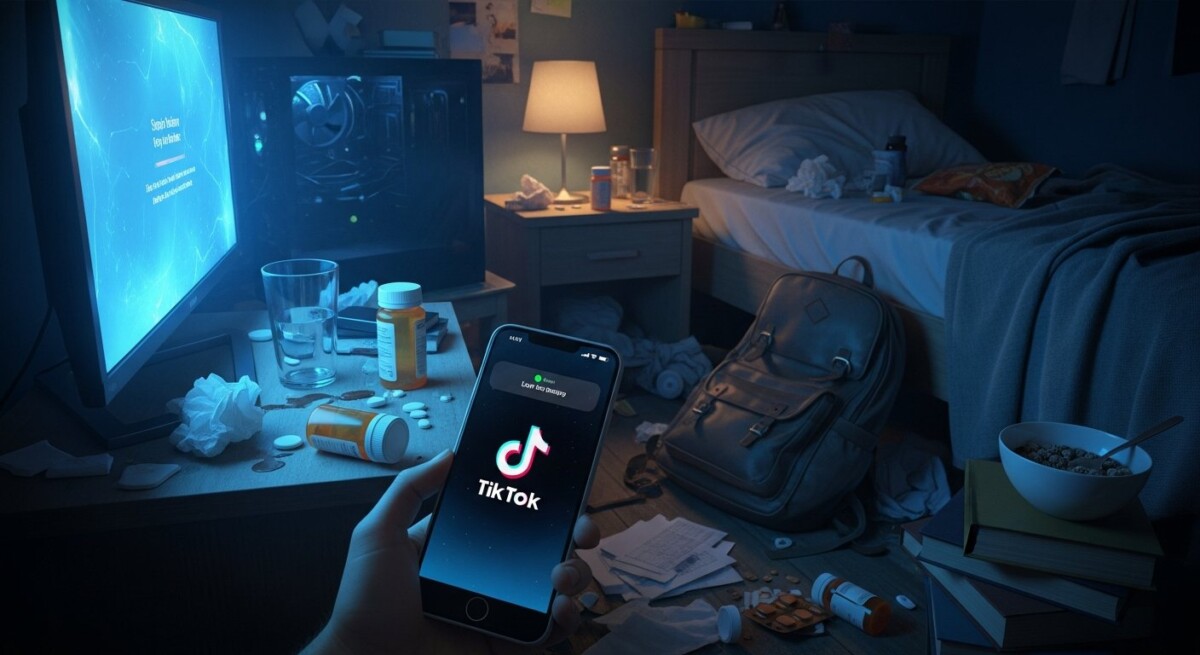
Social media platforms are designed to keep users scrolling, liking, and sharing for hours on end. For most people, this is a harmless habit. But for a growing number of individuals, the compulsive use of apps like Instagram, TikTok, and Facebook has spiraled into a full-blown addiction with devastating real-world consequences. From severe mental health deterioration to tragic accidents and even wrongful death lawsuits, the documented cases of social media addiction are both alarming and instructive. Understanding these cases is critical not only for parents and educators but also for legal professionals who now face a wave of litigation against the tech companies that engineered these platforms.
This article examines several real and representative cases of social media addiction, explores the legal theories behind the lawsuits, and offers guidance for families who believe a loved one has been harmed by algorithmic manipulation. If you or someone you know has suffered due to compulsive social media use, understanding the legal landscape is the first step toward accountability and recovery.
What Makes Social Media Addiction Different From Other Habits
Social media addiction is not a formal clinical diagnosis in the DSM-5, but it shares many features with substance use disorders. The platforms use variable reward schedules, infinite scrolling, and personalized notifications to trigger dopamine releases in the brain. Over time, users develop tolerance, require more time on the app to feel satisfied, and experience withdrawal symptoms when they try to log off.
This behavioral pattern has led to several high-profile cases where teenagers and young adults suffered severe consequences. In many of these cases, parents have filed lawsuits alleging that the platforms knew about the addictive design and failed to warn users. These cases often hinge on internal documents showing that tech companies studied the addictive effects of their products and chose not to implement safer designs.
Notable Cases of Social Media Addiction Leading to Harm
The Case of a Teenager Who Died by Suicide After Cyberbullying and Addiction
One of the most widely publicized cases involves a teenage girl from New York who died by suicide after months of relentless cyberbullying on social media. Her parents alleged that the platform’s algorithm promoted harmful content and that the addictive design kept their daughter engaged even as her mental health declined. The lawsuit claimed that the company violated consumer protection laws by deceptively marketing a product that was unsafe for minors.
This case became a catalyst for broader litigation. It exposed internal emails and research documents showing that the company knew about the negative effects of its platform on teenage girls, including increased rates of anxiety, depression, and suicidal ideation. The court allowed the case to proceed, setting a precedent that tech companies can be held liable for the foreseeable harms of their products.
For families facing similar tragedies, this case demonstrates that the legal system is beginning to recognize the duty of care that social media companies owe to their youngest users. As more cases of social media addiction emerge, courts are increasingly willing to examine the design choices that drive compulsive use.
A Car Accident Caused by Social Media Distraction
Another tragic but illustrative case involves a young driver who caused a fatal car accident while live-streaming on a social media platform. The driver had been using the app for several hours straight, a pattern of compulsive use that had been documented by his family. The victims’ families filed a wrongful death lawsuit against both the driver and the platform, arguing that the app’s addictive design encouraged the driver to prioritize engagement over safety.
This case raises important questions about liability when social media addiction directly causes physical harm. The plaintiffs argued that the platform knew its features, such as push notifications and autoplay, were designed to maximize screen time at the expense of user safety. While the case ultimately settled, it highlighted how cases of social media addiction can intersect with personal injury and accident law.
If you or a loved one has been injured in an accident where social media distraction played a role, it may be worth exploring legal options. An experienced attorney can help determine whether the platform itself bears some responsibility for the harm caused.
The Legal Framework Behind Social Media Addiction Lawsuits
Lawsuits related to social media addiction generally fall into two categories: product liability claims and negligence claims. Product liability claims argue that the social media platform is a defective product because its design is unreasonably dangerous. Negligence claims argue that the company failed to warn users about the risks of addiction and failed to implement reasonable safety measures.
In 2024 and 2025, dozens of school districts, states, and individuals filed consolidated lawsuits against Meta (Facebook and Instagram), TikTok, Snapchat, and YouTube. These cases are being coordinated in multidistrict litigation (MDL) in California. The plaintiffs seek damages for mental health harms, educational disruptions, and physical injuries caused by excessive use.
The MDL includes allegations that the platforms used algorithms specifically designed to hook young users. Internal documents reportedly show that the companies knew their products caused addiction in children but prioritized profit over safety. For a deeper look at the most recent developments in this litigation, read our detailed update on 2026 Social Media Addiction Lawsuits: Key Updates.
How Social Media Addiction Affects Children and Teens Differently
Children and adolescents are uniquely vulnerable to social media addiction because their brains are still developing the prefrontal cortex, which governs impulse control and long-term decision-making. The constant stream of likes, comments, and notifications provides immediate gratification that the developing brain craves.
Several cases of social media addiction involve children as young as 11 or 12 who developed severe behavioral problems. In one case, a 12-year-old boy was hospitalized after a five-day binge on a gaming-related social platform. His parents reported that he refused to eat, sleep, or attend school. The hospital staff diagnosed him with internet gaming disorder, a condition closely related to social media addiction.
These cases often lead to legal action when parents discover that the platforms lacked adequate age verification or parental controls. Many states have now passed laws requiring social media companies to implement default safety settings for minors. However, enforcement remains a challenge, and many children continue to access adult content by falsifying their age.
Warning Signs That Social Media Use Has Become Addictive
Before a case of social media addiction escalates to legal action, families often notice a pattern of warning signs. Recognizing these signs early can prevent serious harm.
- Loss of control: The user spends significantly more time on social media than intended, often late into the night.
- Withdrawal symptoms: Irritability, anxiety, or agitation when unable to access the platform.
- Neglect of responsibilities: Declining grades, missed work deadlines, or failure to complete chores.
- Deception: Lying to family members about the amount of time spent online.
- Physical symptoms: Eye strain, headaches, sleep deprivation, or carpal tunnel syndrome from excessive swiping.
If you observe several of these signs in yourself or a family member, it may be time to seek professional help. In severe cases, legal intervention may also be necessary, especially if the addiction has led to financial loss, physical injury, or harm to others.
The Role of Algorithmic Design in Addiction
At the heart of many cases of social media addiction is the algorithm. These systems are not neutral; they are designed to maximize user engagement by predicting what content will keep a person scrolling. Algorithms use data on past behavior, location, emotional state, and even the time of day to serve personalized content that triggers a dopamine response.
Internal documents from major social media companies have shown that engineers deliberately created features to exploit psychological vulnerabilities. For example, the “like” button was designed to provide variable social rewards, similar to a slot machine. The infinite scroll feature removes natural stopping points, encouraging users to continue indefinitely.
In the context of personal injury law, these design choices are analogous to a car manufacturer knowingly installing a faulty brake system. The argument is that the product is unreasonably dangerous because of its design, and the manufacturer failed to warn users of the risks. This legal theory has gained traction in recent years, particularly in mass tort litigation.
For more information on how these cases are being consolidated and litigated, refer to our comprehensive overview of Social Media Addiction Lawsuits: Key Updates.
Frequently Asked Questions About Social Media Addiction Cases
Can I sue a social media company for my child’s addiction?
Yes, but the legal landscape is complex. Many cases are being consolidated into multidistrict litigation (MDL) in California. You will need to show that the platform’s design caused identifiable harm, such as a mental health diagnosis, physical injury, or financial loss. Consulting a mass tort attorney is essential to understand your options.
What damages can I recover in a social media addiction lawsuit?
Potential damages include medical expenses, therapy costs, lost wages (if the user was an adult), pain and suffering, and in cases of wrongful death, funeral expenses and loss of companionship.
How do I prove social media addiction in court?
Evidence might include screen time logs, medical records showing a diagnosis of internet addiction or related mental health conditions, testimony from family members, and expert testimony from psychologists or addiction specialists.
Are there any class action lawsuits for social media addiction?
Yes. Several class actions and MDLs have been filed against Meta, TikTok, Snapchat, and YouTube. The cases are in their early stages, and no settlements have been reached as of early 2026. Check the latest updates on Social Media Addiction Lawsuits: Key Updates for current status.
What should I do if I suspect a family member is addicted to social media?
Start by setting boundaries, using built-in screen time controls, and encouraging offline activities. If the behavior is severe, seek help from a mental health professional. If the addiction has led to financial or physical harm, consider contacting a lawyer to discuss potential legal action against the platform.
Moving Forward: Legal Options for Affected Families
The growing body of cases of social media addiction is forcing both the legal system and the public to take these harms seriously. While no amount of litigation can undo the damage already done, holding tech companies accountable can lead to safer platform designs and better warnings for users. If you believe that a social media platform has caused significant harm to you or a loved one, you do not have to face this alone.
At LawyerCaseReview, we connect individuals with experienced attorneys who handle social media addiction lawsuits. Whether you are dealing with a personal injury, a mental health crisis, or a tragic loss, our network of legal professionals can evaluate your case and help you understand your rights. The first step is a free, confidential case review. For more information on how these lawsuits are evolving, read our detailed analysis of Social Media Addiction Lawsuits: Key Updates.
If you are ready to explore your legal options, contact us today. Our team can connect you with a qualified attorney who will fight for the compensation and accountability you deserve.

About Jordan Parker
Recent Posts

Cybercrime Lawyer: When to Hire One and What They Do
Facing cybercrime? A cybercrime lawyer can help you recover and protect your rights. Call (833) 227-7919 to get connected with a qualified attorney.

Fraud Defense Lawyer: Your Rights and Legal Options
Facing fraud charges? A fraud defense lawyer can protect your rights. Call (833) 227-7919 to connect with experienced attorneys today.

Identity Theft Lawyer: When to Hire One and How They Help
Identity theft can wreck your credit and finances. An identity theft lawyer helps you recover. Call us at (833) 227-7919 for a free case review.