
2026 Social Media Addiction Lawsuits: Key Updates
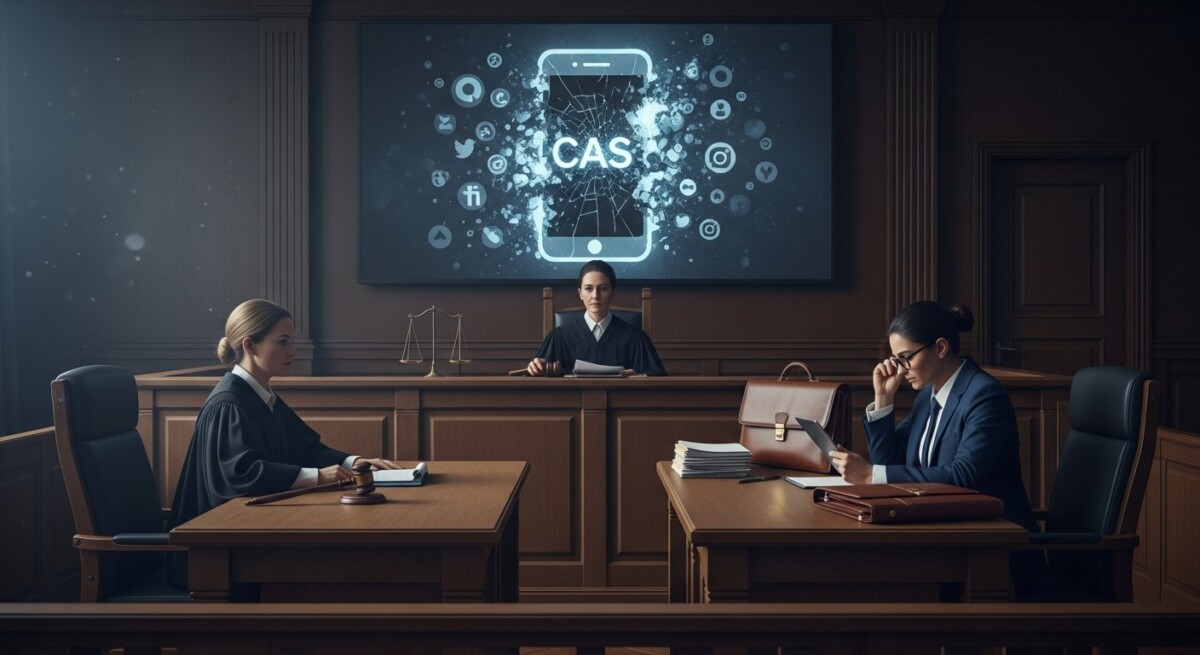
In early 2026, the legal landscape surrounding technology and mental health shifted dramatically. A wave of consolidated lawsuits, often referred to collectively as the social media addiction lawsuit 2026, has moved from preliminary motions toward discovery and trial scheduling. These cases, brought by thousands of plaintiffs including school districts, state attorneys general, and individual families, allege that platforms like Instagram, TikTok, Snapchat, and YouTube were deliberately designed to maximize user time on site at the expense of adolescent mental health. The core argument is not that social media is merely distracting, but that the platforms employ psychologically manipulative features such as infinite scroll, algorithmic content loops, and notification systems that exploit dopamine pathways in developing brains. This article breaks down the current state of these lawsuits, the legal theories being tested, and what the outcomes could mean for users, parents, and technology companies.
The Legal Foundation of the 2026 Social Media Addiction Lawsuits
The social media addiction lawsuit 2026 rests on several legal pillars, each designed to address a different dimension of harm. Plaintiffs argue that the design features of major platforms constitute a product defect under tort law. They contend that the products are unreasonably dangerous because they lack adequate warnings about the addictive nature of their design. In a typical product liability case, a manufacturer must warn consumers about known risks. Here, plaintiffs point to internal documents leaked by whistleblowers and disclosed in earlier proceedings that allegedly show company researchers understood the addictive potential of their platforms but chose not to disclose it publicly.
A second major legal theory involves public nuisance. Several state attorneys general have filed suit arguing that social media platforms have created a public nuisance by fueling a youth mental health crisis. This approach allows states to seek injunctive relief, meaning they can ask courts to order changes to platform design rather than simply awarding monetary damages. If successful, this could force companies to implement age verification, default privacy settings for minors, and limits on algorithmic recommendations to children. The public nuisance theory is particularly powerful because it does not require proving individual causation for each plaintiff, which is often a difficult hurdle in mass tort litigation.
A third theory centers on violations of consumer protection laws. Plaintiffs argue that social media companies engaged in deceptive trade practices by marketing their platforms as safe and fun while concealing the risks of addiction and mental health harm. Under state consumer protection statutes, plaintiffs may be able to recover damages without proving the same level of causation required in a negligence claim. These statutes often provide for treble damages and attorneys fees, making them an attractive avenue for litigation. For more context on how mass tort cases unfold procedurally, our article on PFAS Forever Chemical Lawsuit 2026: Key Updates provides a helpful comparison of how courts manage large-scale consolidated litigation.
Who Is Filing These Lawsuits and What Do They Want?
The plaintiffs in the social media addiction lawsuit 2026 are remarkably diverse. They include individual teenagers and their parents, school districts seeking reimbursement for mental health services, and state governments acting on behalf of their citizens. Each group brings a slightly different set of damages and desired outcomes. Individual plaintiffs typically seek compensation for therapy costs, medical expenses, and pain and suffering. They often allege that social media addiction led to depression, anxiety, eating disorders, and in some tragic cases, suicide. School districts, on the other hand, seek reimbursement for the cost of hiring additional counselors, implementing mental health programs, and addressing classroom disruptions linked to student social media use.
State attorneys general have taken the most aggressive approach. In 2024 and 2025, dozens of states filed coordinated lawsuits seeking both monetary damages and injunctive relief. Their complaints detail how social media platforms allegedly used design features to hook young users, then failed to provide adequate parental controls or age-appropriate safeguards. The relief they seek includes financial penalties, court-ordered changes to platform architecture, and ongoing monitoring by independent auditors. Some states have also proposed creating a fund to support youth mental health initiatives, funded by penalties paid by technology companies.
Behind all of these claims is a growing body of scientific evidence. Research published in major medical journals has established correlations between heavy social media use and increased rates of depression, anxiety, and sleep disruption among adolescents. While correlation is not causation, plaintiffs argue that the internal research conducted by the platforms themselves provides the missing causal link. When company documents show that engineers understood how certain features increased compulsive use, that evidence becomes powerful in court. If you suspect your family has been harmed by social media addiction, you can discuss your situation with a legal professional by calling (833) 227-7919.
Key Legal Hurdles and Defenses
The technology companies have not remained passive in the face of this litigation. Their primary defense rests on Section 230 of the Communications Decency Act, a federal law that grants immunity to online platforms for content posted by third parties. The companies argue that the lawsuits are essentially about content moderation and user speech, areas protected by Section 230. However, plaintiffs counter that their claims focus on product design and algorithm architecture, not on the content itself. They argue that a recommendation algorithm is a product feature, not speech, and therefore Section 230 does not apply. The courts are currently divided on this question, and a Supreme Court ruling may ultimately be necessary to resolve the conflict.
A second major defense involves the First Amendment. Social media companies argue that their algorithms are a form of protected speech, and that government attempts to regulate them would violate free speech principles. This argument has found some traction in conservative-leaning circuits, but plaintiffs respond that algorithmic amplification of harmful content is not speech but conduct, and conduct can be regulated. The distinction between speech and conduct will likely be central to the outcome of these cases.
Third, the companies argue that causation is impossible to prove. They contend that adolescent mental health is influenced by numerous factors including genetics, family environment, socioeconomic status, and school pressures. Isolating the impact of social media from these other variables is extraordinarily difficult, especially given that most teenagers use multiple platforms simultaneously. Plaintiffs respond by pointing to natural experiments, such as the staggered rollout of Instagram in different countries, which showed that mental health outcomes worsened in areas where the platform became available earlier. The legal battle over causation will likely involve extensive expert testimony from epidemiologists, psychologists, and data scientists. For a broader perspective on how courts handle complex causation issues in mass tort litigation, see our guide on Hiring a Social Security Disability Law Firm: What to Know, which discusses how legal teams build evidence in cases involving complex medical and scientific questions.
What the 2026 Landscape Looks Like for Plaintiffs
As of 2026, the social media addiction lawsuits have entered a critical phase. Several bellwether trials have been scheduled in multidistrict litigation (MDL) proceedings in California and New York. These trials will test the legal theories and evidence in front of actual juries. The outcomes of these bellwether trials will heavily influence settlement negotiations for the thousands of other cases. If plaintiffs win substantial verdicts in the bellwether trials, the companies will face enormous pressure to settle the remaining claims on favorable terms for victims.
However, the path forward remains uncertain. Even if plaintiffs succeed at trial, appeals are almost certain. The technology companies have deep pockets and a strong incentive to fight these cases all the way to the Supreme Court. A single adverse ruling could reshape the entire social media industry, affecting not just the companies being sued but also how all online platforms design their services. The stakes could not be higher for both sides.
For individuals considering joining the litigation, timing is critical. Statutes of limitations vary by state and by the specific legal theory being asserted. Some states allow claims for personal injury to be filed within two years of discovering the harm, while others allow up to six years. Additionally, new plaintiffs may still be able to join the MDL if their cases are sufficiently similar to the existing ones. However, the window for joining may close once bellwether trials begin and settlement frameworks are established. Anyone who believes their child has been harmed by social media addiction should consult with an attorney as soon as possible to preserve their legal rights.
Potential Damages and Outcomes
If plaintiffs prevail in the social media addiction lawsuit 2026, the damages could be substantial. Individual plaintiffs may recover compensation for past and future medical expenses, therapy costs, lost educational opportunities, and pain and suffering. In cases involving permanent injury or death, damages could reach into the millions of dollars per family. School districts are seeking reimbursement for the costs of expanded mental health services, which in some districts amounts to hundreds of thousands of dollars annually.
State attorneys general are pursuing both monetary penalties and structural remedies. The monetary penalties could total billions of dollars across all the states, especially if the court finds that the companies engaged in willful misconduct. The structural remedies could be even more significant. Courts could order platforms to:
- Implement mandatory age verification for all users
- Disable algorithmic recommendations for users under 18
- Provide parents with comprehensive monitoring tools
- Limit daily usage time for minors to a set number of minutes
- Require explicit parental consent for new account creation by minors
These remedies would fundamentally change how social media platforms operate. They would also create new compliance obligations that could be expensive to implement, potentially driving up costs for the companies and reducing their profitability. Some analysts predict that the industry could see a wave of consolidation as smaller platforms struggle to afford compliance with new regulations. The long-term impact on the social media landscape remains to be seen, but one thing is clear: the 2026 lawsuits represent a watershed moment in the regulation of digital platforms. For updates on other major litigation developments in 2026, our article on GLP-1 Agonist Lawsuits: Ozempic and Wegovy 2026 Update provides a parallel look at how mass tort cases evolve over time.
Frequently Asked Questions
What is the social media addiction lawsuit 2026 about?
The lawsuit is a collection of legal actions filed against major social media companies alleging that their platforms are deliberately designed to be addictive, particularly for adolescents. Plaintiffs seek damages for mental health harms and court-ordered changes to platform design.
Who can file a claim in these lawsuits?
Generally, parents or legal guardians of children who suffered mental health harm due to social media use can file claims. School districts and state governments have also filed their own lawsuits. Each case requires specific evidence of harm caused by platform design.
How much does it cost to join the lawsuit?
Most attorneys handling these cases work on a contingency fee basis, meaning you pay nothing upfront. The attorney is paid only if you win or settle the case. Initial consultations are typically free. Call (833) 227-7919 to discuss your potential case with a qualified legal professional.
What evidence do I need to prove my case?
You will need evidence that your child used the platform, that they suffered mental health harm, and that the platform’s design contributed to that harm. Medical records, school records, and documentation of usage patterns can all be helpful. An attorney can advise you on what specific evidence is needed for your claim.
When will these cases go to trial?
Bellwether trials are scheduled for late 2026 and early 2027 in multidistrict litigation proceedings. However, many cases may settle before trial. The timeline can vary significantly depending on the specific court and the progress of appeals.
The social media addiction lawsuit 2026 represents one of the most significant legal challenges ever mounted against the technology industry. It combines elements of product liability, consumer protection, and public nuisance law to hold platforms accountable for the design choices that critics say have fueled a generation’s mental health crisis. As bellwether trials approach and settlement negotiations intensify, the coming months will determine whether this litigation becomes a landmark victory for plaintiffs or a cautionary tale about the limits of tort law in the digital age. For those directly affected, the window to act may be narrowing. Consulting with an experienced attorney is the first step toward understanding your rights and options. If you believe your family has been harmed by social media addiction, you can reach out for a confidential case evaluation at (833) 227-7919. For additional resources on navigating the legal system, our guide on Social Security Disability Appeal Timeline 2026: Key Steps offers practical advice for managing complex legal processes.

About Damian Crossfield
Recent Posts

Cybercrime Lawyer: When to Hire One and What They Do
Facing cybercrime? A cybercrime lawyer can help you recover and protect your rights. Call (833) 227-7919 to get connected with a qualified attorney.

Fraud Defense Lawyer: Your Rights and Legal Options
Facing fraud charges? A fraud defense lawyer can protect your rights. Call (833) 227-7919 to connect with experienced attorneys today.

Identity Theft Lawyer: When to Hire One and How They Help
Identity theft can wreck your credit and finances. An identity theft lawyer helps you recover. Call us at (833) 227-7919 for a free case review.