
Surrendering Your Home in Illinois Bankruptcy: Key Outcomes
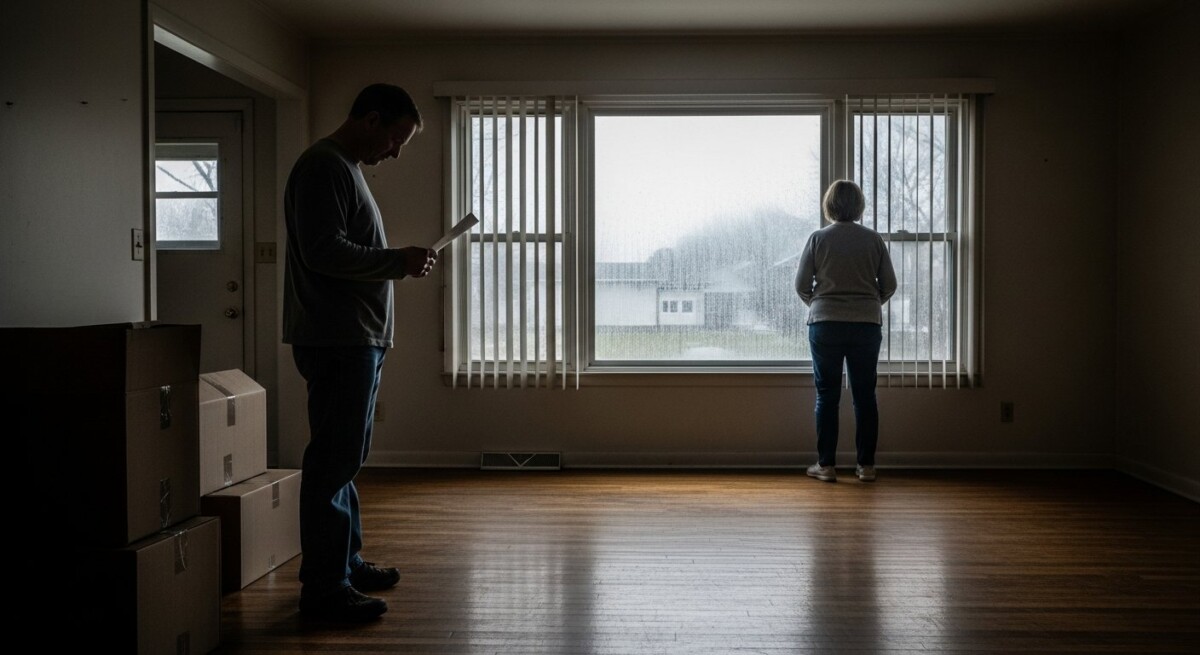
Facing the possibility of losing your home is one of the most stressful aspects of financial hardship. If you are considering bankruptcy in Illinois and your mortgage payments have become unmanageable, you may be weighing the option of surrendering your home. This decision is not made lightly, but understanding what happens if you surrender home in Illinois bankruptcy can remove the fear of the unknown and help you plan your next steps. Surrendering a property in a Chapter 7 or Chapter 13 case is a strategic move that can free you from a burdensome debt and allow you to start fresh without the weight of an underwater mortgage.
When you file for bankruptcy, you have several options for dealing with secured debts like a mortgage. You can reaffirm the debt (agree to keep paying and keep the house), redeem the property (pay its current value in a lump sum), or surrender it. Surrender means you give the property back to the lender and are released from personal liability for the remaining loan balance. In Illinois, this process is governed by both federal bankruptcy law and state property exemptions. The outcome depends on your bankruptcy chapter, your equity in the home, and whether you are current on payments at the time of filing.
This article walks through the exact sequence of events after you surrender your home in an Illinois bankruptcy, the financial and credit implications, and how to navigate the transition to a more stable living situation. For a deeper look at how bankruptcy interacts with other types of property, see our guide on Illinois Bankruptcy and Investment Property: Your Options Explained.
The Surrender Process in Illinois Bankruptcy
Surrendering a home in bankruptcy is a formal legal action. It is not simply moving out and stopping payments. You must explicitly state your intent to surrender the property in your bankruptcy paperwork, specifically on the Statement of Intention for secured debts. Once you file this statement, the automatic stay goes into effect, temporarily halting all collection actions including foreclosure. However, because you have indicated you will not keep the home, the lender can later ask the bankruptcy court for relief from the automatic stay to proceed with foreclosure.
In a Chapter 7 bankruptcy, the process is relatively quick. The surrender is documented, and the trustee takes no interest in the property if there is no nonexempt equity. The lender then moves forward with foreclosure in state court. In a Chapter 13 bankruptcy, you propose a repayment plan. If you surrender the home during the plan, the lender can foreclose, but you continue making plan payments on your other debts. The key difference is that in Chapter 13, any mortgage arrears that would have been paid through the plan are no longer your responsibility once the property is surrendered and the lender forecloses.
One common misconception is that surrendering the home immediately wipes out your mortgage debt. In fact, the bankruptcy discharge eliminates your personal liability for the mortgage note, but the lender still holds a lien on the property. The discharge prevents the lender from suing you for a deficiency judgment (the difference between the sale price and what you owe) in most cases, unless the property sells for significantly less than its fair market value and state law allows a claim. Illinois law generally bars deficiency judgments after a foreclosure sale if the lender fails to follow proper procedures, and the bankruptcy discharge adds an extra layer of protection.
Immediate Financial Consequences
When you surrender your home, the financial impact hits quickly. You are no longer responsible for mortgage payments, property taxes, or homeowner’s insurance premiums from the date of surrender. However, you remain liable for these costs until the lender actually takes possession through foreclosure, which can take several months. During this gap, you should not make any additional mortgage payments, but you must continue to maintain the property and keep it insured if you are still living there. Failure to do so could expose you to liability for damage or injuries on the property.
Another immediate consequence is the loss of any equity you had in the home. If your home was worth more than what you owed, that equity would normally be protected by Illinois’s homestead exemption (up to $30,000 for an individual or $60,000 for a married couple filing jointly as of 2026). But by surrendering the home, you give up that equity to the lender. If there was significant equity above the exemption amount, the bankruptcy trustee could have sold the home and distributed the proceeds to creditors. Surrendering avoids that forced sale but also means you walk away with nothing from the property.
You may also face moving costs and the need to secure new housing. Many people who surrender their home in bankruptcy end up renting for a period. Landlords may check your credit report, which will show the bankruptcy filing and the foreclosure. However, the bankruptcy discharge can actually improve your debt-to-income ratio, making you a more attractive tenant than someone still drowning in debt. Some landlords specialize in working with post-bankruptcy tenants, so do not assume you will be unable to find a rental.
Impact on Your Credit Score
Surrendering a home in bankruptcy will damage your credit score, but the damage is largely done by the bankruptcy filing itself. A Chapter 7 bankruptcy stays on your credit report for 10 years; a Chapter 13 stays for 7 years. The foreclosure that follows the surrender will also appear as a public record, but its impact is often overshadowed by the bankruptcy notation. In practice, lenders view a bankruptcy as a more severe negative event than a standalone foreclosure, so the surrender itself does not cause additional harm beyond the filing.
There is a nuance for your credit utilization and mortgage history. After surrender, the mortgage account will be reported as “included in bankruptcy” or “settled for less than the full amount.” This notation remains for the duration of the reporting period. However, because you are no longer making payments, the account will show as charged off or foreclosed. The good news is that you can begin rebuilding credit immediately after your discharge. Secured credit cards, credit-builder loans, and timely payments on any remaining debts (like student loans or car loans you kept) can slowly restore your score.
Many people worry about being unable to buy another home after a bankruptcy surrender. The waiting period for an FHA loan is typically 2 years after a Chapter 7 discharge or 1 year after a Chapter 13 discharge if payments were made on time. For conventional loans, the wait is 4 years after a foreclosure or deed-in-lieu, but a bankruptcy may extend that to 5 to 7 years. However, with a strong rebuilding effort, you may qualify for a mortgage sooner than you expect, especially if you can document stable income and a lower debt load.
Tax Implications of Surrendering a Home
One of the most overlooked aspects of surrendering a home in Illinois bankruptcy is the potential tax consequence. When a lender forgives mortgage debt (the difference between the loan balance and the foreclosure sale price), that forgiven amount may be considered taxable income by the IRS. However, there are important exceptions. Under the Mortgage Forgiveness Debt Relief Act (which has been extended multiple times), up to $2 million of forgiven mortgage debt on a primary residence is excluded from income. Illinois conforms to this federal exclusion for state tax purposes.
If the forgiven debt is not excluded because the property was not your primary residence or because the debt exceeded the limit, you may receive a Form 1099-C from the lender showing the canceled debt amount. You would then need to report that as income on your tax return. In rare cases, if you were insolvent immediately before the debt cancellation (your liabilities exceeded your assets), you may qualify for the insolvency exclusion. Bankruptcy itself can help establish insolvency, but you must document your assets and liabilities at the time of surrender.
Another tax consideration is the loss of the mortgage interest deduction. Once you surrender the home, you can no longer deduct mortgage interest or property taxes on your federal return. This is usually a minor concern because your income is likely lower after bankruptcy anyway. But if you itemize deductions, this change could slightly increase your tax bill. Consult a tax professional to understand your specific situation, especially if you surrendered a second home or investment property. For more on how bankruptcy affects different property types, read our article on Illinois Bankruptcy and Investment Property: Your Options Explained.
What Happens to Your Personal Belongings?
When you surrender a home, you are allowed to remove your personal property before the lender takes possession. This includes furniture, clothing, electronics, family heirlooms, and other movable items. However, fixtures that are permanently attached to the property (like built-in cabinets, ceiling fans, and window treatments) generally stay with the home. If you have any doubt about whether an item is a fixture, it is safer to leave it or get written permission from the lender to remove it.
You should also be aware that the lender may change the locks shortly after the foreclosure sale. If you have left any belongings behind, you may need to contact the lender or the new owner to retrieve them. In Illinois, the foreclosure process includes a redemption period during which you can reclaim the property by paying the full amount owed, but this is rarely practical. For personal property left behind, state law requires the new owner to store it for a reasonable time and notify you, but they can eventually dispose of it if you do not claim it.
To avoid complications, create an inventory of all personal property and move it out before the foreclosure sale date. If you cannot move everything at once, prioritize valuables, legal documents, and sentimental items. You might also consider renting a storage unit temporarily. The cost of storage is far less than the stress of losing irreplaceable items.
Alternatives to Surrender in Illinois Bankruptcy
Surrendering your home is not your only option. Depending on your financial situation and goals, you might consider reaffirmation, redemption, or a short sale outside of bankruptcy. Reaffirmation means you agree to continue paying the mortgage despite the bankruptcy discharge. This option makes sense if you can afford the payments and want to keep the home. However, it exposes you to personal liability if you default again. You must sign a reaffirmation agreement, and your bankruptcy attorney must certify that the agreement does not impose an undue hardship.
Redemption is another option, though rarely used in practice. It allows you to pay the lender the current market value of the home in a lump sum (rather than the full loan balance). If your home is underwater, this could be a good deal, but you need cash on hand. Most bankruptcy filers do not have the funds for a lump-sum redemption. A short sale (selling the home for less than the loan balance with lender approval) can also be done before or during bankruptcy, and the bankruptcy discharge can protect you from deficiency claims.
If you are in Chapter 13, you have the additional option of a lien strip. If you have a second mortgage or home equity line of credit and the first mortgage exceeds the home’s current value, you can ask the court to strip the junior lien. This eliminates the second mortgage entirely, and you only have to pay the first mortgage through your plan. This can make the home affordable again. However, lien stripping is only available for investment properties if certain conditions are met. For more on handling complex property issues in bankruptcy, see our analysis of What Happens When Your Mortgage Lender Contests Bankruptcy in Florida? (note that Illinois has similar procedural rules).
Before deciding to surrender, consult with a knowledgeable Illinois bankruptcy attorney. They can run the numbers on your equity, exemptions, and future income to determine whether surrender or an alternative is better for you. Do not make this decision based on emotion or fear alone. Surrender can be the right choice when the home is deeply underwater or the payments are unsustainable, but it is not the only path.
The Foreclosure Process After Surrender
Once you surrender the home, the lender will ask the bankruptcy court for relief from the automatic stay. In most cases, the court grants this quickly because you have already stated you do not intend to keep the property. After relief is granted, the lender files a foreclosure lawsuit in Illinois state court. Illinois is a judicial foreclosure state, meaning the lender must go through the court system. The process typically takes 6 to 12 months from filing to sale, depending on court backlogs and any delays caused by the borrower.
During the foreclosure, you have the right to stay in the home until the sheriff’s sale occurs, unless the lender obtains an order of possession earlier. You do not have to move out the day you surrender. In fact, staying rent-free during the foreclosure can give you time to save money for a new rental deposit or moving expenses. However, you should not damage the property or stop maintaining basic utilities, as that could lead to liability or an expedited eviction.
After the sheriff’s sale, the new owner (usually the lender) will file an eviction lawsuit if you have not moved out. The eviction process in Illinois takes about 30 to 60 days. You will receive a summons to appear in court. If you do not contest the eviction, the judge will issue a judgment for possession, and the sheriff will post a notice to vacate. At that point, you must leave or face physical removal. It is wise to move out voluntarily before the eviction to avoid a formal eviction on your record, which can make future rentals harder to obtain.
If you are unsure about the timing of the foreclosure or need to coordinate with a new housing arrangement, your bankruptcy attorney can help you estimate the timeline. Every case is different, and factors like lender responsiveness and court schedules can shift the dates. For a more detailed look at what happens if your bankruptcy petition faces complications, read What Happens When Your Illinois Bankruptcy Petition Is Denied?.
Frequently Asked Questions
Can I change my mind after surrendering the home?
Yes, but only before the foreclosure sale is finalized. If you surrender in a Chapter 7 case, you can withdraw your surrender and reaffirm the debt if the lender agrees, but this is difficult once the case is closed. In Chapter 13, you can modify your plan to include the mortgage if you have a change in income. However, once the foreclosure sale occurs, you lose all rights to the property.
Will I owe taxes on the surrendered home?
Possibly, but the Mortgage Forgiveness Debt Relief Act excludes forgiven debt on a primary residence up to $2 million. If the property was an investment or second home, the exclusion may not apply. Consult a tax professional to determine your liability.
How long after surrender can I buy a new home?
For an FHA loan, the waiting period is 2 years after a Chapter 7 discharge or 1 year after a Chapter 13 discharge. For conventional loans, the wait is 4 to 7 years depending on the lender and your credit rebuilding efforts.
Does surrendering a home affect my spouse if we file jointly?
If you file jointly, both spouses are discharged from personal liability for the mortgage. However, if only one spouse files, the non-filing spouse remains liable. The non-filing spouse’s credit may also be impacted by the foreclosure. It is often best to file jointly if both names are on the mortgage.
Can I surrender a home that is not my primary residence?
Yes. You can surrender any property in bankruptcy, including investment properties, vacation homes, or vacant land. The process is the same, but the tax implications and exemption rules may differ. For more details, see Illinois Bankruptcy and Investment Property: Your Options Explained.
Moving Forward After Surrender
Surrendering your home in an Illinois bankruptcy is a significant decision, but it is not the end of your financial life. It is a tool to eliminate an unmanageable debt and give you a clean slate. The immediate aftermath may involve finding a rental, adjusting to a smaller living space, and rebuilding your credit. But the long-term benefits can include lower monthly expenses, reduced stress, and the ability to save for a future home purchase.
Many people who surrender their home report feeling a sense of relief once the process is complete. They no longer worry about foreclosure notices, missed payments, or the burden of a property that was draining their finances. By understanding what happens if you surrender home in Illinois bankruptcy, you can approach the process with confidence and make informed choices that align with your financial recovery goals. Work closely with an experienced bankruptcy attorney, communicate openly with your lender, and take proactive steps to secure stable housing. With time and discipline, you can rebuild your credit and eventually achieve homeownership again on your own terms.

About Soren Whitaker
Recent Posts

When to Hire a Property Damage Lawyer for Your Claim
Get help with property damage claims. Call our team at (833) 227-7919 to connect with a skilled property damage lawyer.

HOA Attorney: When to Call for Board Disputes
Resolve HOA conflicts with an experienced attorney. Call (833) 227-7919 for a free consultation today.

When to Hire a Land Use Attorney for Your Property
Find the right land use attorney to navigate zoning, permits, and property disputes. Call (833) 227-7919 for a free referral today.