
Protecting Settlement Proceeds in California Bankruptcy
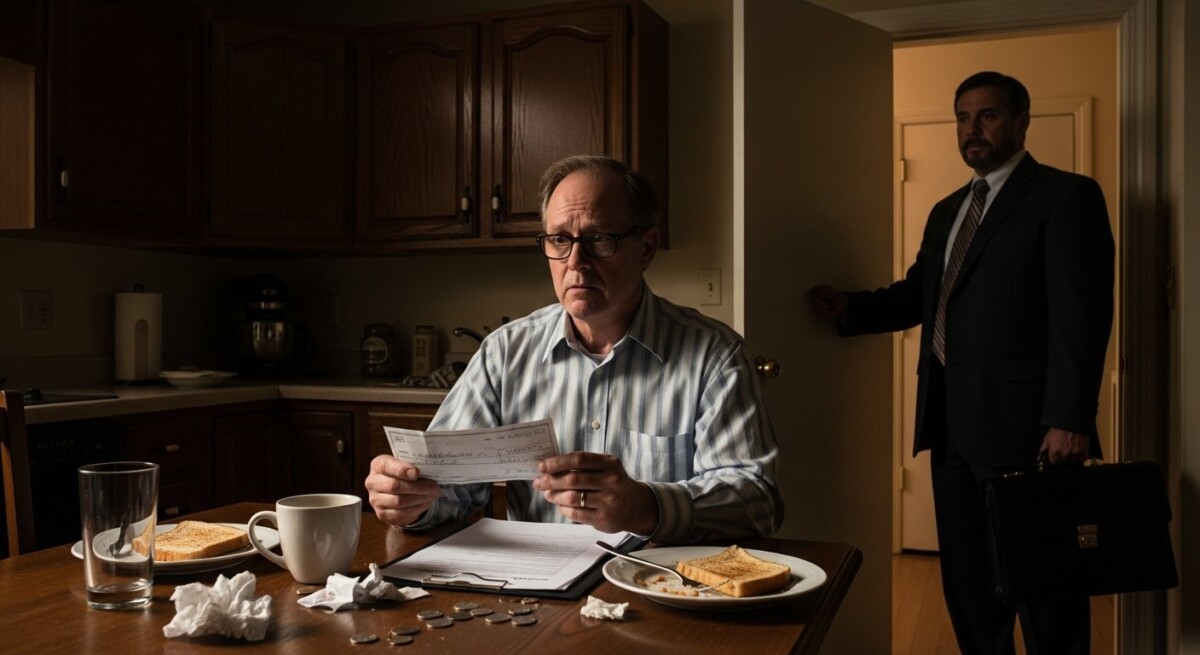
Receiving a settlement from a personal injury lawsuit, a property damage claim, or a class action can feel like a financial lifeline. Yet for many Californians facing overwhelming debt, that check arrives just as they are considering bankruptcy protection. The immediate question becomes: can you protect settlement proceeds in California bankruptcy? The answer is not a simple yes or no. It depends heavily on when you received the funds, how you used them, and which bankruptcy chapter you file. Understanding these nuances can mean the difference between keeping your settlement and losing it to creditors.
Settlement proceeds in California are treated differently depending on their source. Funds from a personal injury claim, for example, enjoy specific protections under state law that other types of settlements do not. However, those protections are not absolute. Timing, commingling with other assets, and the amount of the settlement all play critical roles. This article walks through the key strategies and legal rules that determine whether you can shield your settlement in a California bankruptcy.
How California Exemption Laws Apply to Settlements
California has two separate sets of bankruptcy exemptions: the 704 system and the 703 system. You must choose one system, and you cannot mix and match exemptions from both. The choice you make directly affects how much of your settlement you can protect. Under the 704 system, which is based on California Code of Civil Procedure section 704.140, personal injury settlements are exempt up to a specific dollar amount. As of 2026, that amount is adjusted periodically for inflation. For a single filer, the exemption typically covers around $35,000 of the settlement. For a married couple filing jointly, that amount doubles.
The 703 system, by contrast, mirrors the federal bankruptcy exemptions. Under federal law, personal injury settlements are exempt up to approximately $30,000, but the federal system also allows you to apply a wildcard exemption. The wildcard can cover any property you choose, including settlement funds that exceed the personal injury cap. For many filers, the 703 system offers more flexibility because the wildcard can protect additional cash. However, you must weigh this against other assets you own, such as home equity, which may be better protected under the 704 system.
Settlements for non-physical injuries, such as employment discrimination, breach of contract, or property damage, are treated differently. California does not have a specific exemption for these types of settlements. Instead, you would need to rely on the general wildcard exemption or the federal exemptions to protect them. If you have a large business-related settlement, you may need to consult an attorney about structuring your filing to maximize protection.
Timing Is Everything: When You Receive the Settlement
One of the most critical factors in protecting a settlement is the date you receive the funds. If you receive the settlement before filing for bankruptcy, the money is considered part of your bankruptcy estate. You must then use exemptions to protect it. If you receive the settlement after filing, the situation changes dramatically. Under federal bankruptcy law, settlements that arise from pre-petition causes of action are still property of the estate, but the timing of the actual receipt can affect your exemption planning.
If you have a pending lawsuit when you file bankruptcy, you must disclose it on your bankruptcy schedules. The trustee becomes the legal owner of that claim. However, many trustees are willing to abandon the claim if it is exempt or if the cost of pursuing it outweighs the potential recovery. You can negotiate with the trustee to keep the settlement, especially if you can show that the entire amount falls within your available exemptions. In our guide on protecting a personal injury settlement in California bankruptcy, we explain how to handle pending claims and negotiate with the trustee.
If you already have the settlement cash in your bank account, you face a different challenge. Cash is highly visible to the trustee. You cannot simply spend it down on non-exempt luxuries without risking a fraudulent transfer claim. Instead, you should use the funds to pay for exempt assets or necessary living expenses. For instance, you could use the settlement to pay down medical bills, make repairs to your home, or purchase a vehicle within the applicable exemption limits. These conversions must be done before filing, and you must be able to document the transactions.
Exempting Personal Injury Settlements Under California Law
California Code of Civil Procedure section 704.140 specifically exempts personal injury settlements. This exemption applies to the right to receive the settlement and the actual funds, as long as they remain traceable. The key limitation is the dollar cap. For 2026, the exemption limit for a single filer is approximately $35,000. If your settlement exceeds that amount, the excess is not automatically protected. You would need to use another exemption, such as the wildcard, to cover the surplus.
Under the 703 system, federal exemptions allow you to exempt personal injury settlements up to $30,000 under section 522(d)(11)(D). Additionally, you can use the federal wildcard of about $1,700 plus up to $16,000 of unused homestead exemption. This combination can sometimes protect a larger settlement than the California 704 system. However, the federal system does not protect your home equity as generously, so you must consider your entire financial picture.
It is important to note that settlements for emotional distress without physical injury are not protected under the California personal injury exemption. Similarly, punitive damages may not be covered. If your settlement includes multiple components, you should work with an attorney to allocate the value correctly. For example, a settlement that includes both medical expenses and pain and suffering should be documented so the exempt portion is clear.
Structured Settlements and Periodic Payments
Many personal injury settlements are paid out as structured settlements over time rather than as a lump sum. In California, a structured settlement is treated as an annuity. The payments you receive in the future are generally exempt from creditors, but the treatment in bankruptcy depends on the structure. If the annuity is owned by the insurance company and you only have the right to receive future payments, the trustee may have difficulty taking it because it is not a liquid asset.
However, if you have already received a lump sum and then purchased a structured settlement annuity yourself, the funds become part of your bankruptcy estate. The exemption analysis then applies to the cash you used to buy the annuity. It is generally safer to negotiate a structured settlement directly with the defendant or insurer before filing bankruptcy. This way, the payments are treated as future income rather than as a current asset. In our article on discharging old utility debt in California bankruptcy, we discuss how future income can be used to pay ongoing expenses while protecting exempt assets.
If you already have a structured settlement and need to file bankruptcy, you should disclose the payment stream to your attorney. The trustee may demand that you use a portion of each payment to repay creditors, but you can often negotiate a repayment plan that leaves most of the payments intact. Chapter 13 bankruptcy is particularly useful in this situation because it allows you to keep future payments while making affordable payments to creditors through a three-to-five-year plan.
Chapter 7 vs. Chapter 13: Which Is Better for Protecting Settlements?
The chapter of bankruptcy you file significantly affects your ability to protect settlement proceeds. In Chapter 7, you must pass the means test, and your non-exempt assets are liquidated by the trustee. If your settlement exceeds the available exemptions, the trustee can take the excess and distribute it to creditors. In Chapter 13, you keep all your property, including your settlement, but you must pay your disposable income into a repayment plan for three to five years.
For large settlements, Chapter 13 can be a better option because you do not have to surrender the funds. Instead, you propose a plan that pays creditors an amount equal to what they would have received in a Chapter 7 liquidation. If your settlement is fully exempt, your plan payment may be zero. If the settlement is partially exempt, you may need to pay the non-exempt amount into the plan over time. This flexibility is especially valuable if your settlement is tied to ongoing medical expenses or lost wages.
Another consideration is the treatment of future settlements. If you have a pending claim and file Chapter 13, the trustee may require you to turn over any settlement proceeds received during the plan period. However, you can often negotiate a carve-out in the plan that allows you to keep funds needed for medical care or rehabilitation. In our guide on discharging an SBA loan in California bankruptcy, we explain how Chapter 13 can help business owners manage debt while preserving essential assets.
Common Mistakes That Jeopardize Settlement Protection
Several common errors can cost you your settlement. The first is commingling settlement funds with other money. If you deposit a personal injury settlement into a joint account with other income, the funds become harder to trace. The trustee may argue that the money is not exempt because you cannot prove which dollars came from the settlement. Always keep settlement funds in a separate account until you have filed bankruptcy and the case is closed.
A second mistake is spending the settlement on non-exempt assets before filing. For example, using the money to buy a luxury car, pay for a vacation, or invest in stocks creates a problem. The trustee can look back at your spending in the months before filing and may object to your discharge if the spending appears fraudulent. Instead, use the funds to pay for necessities, medical care, or to purchase exempt property such as a primary residence (up to the homestead exemption limit) or a reliable vehicle within the motor vehicle exemption.
Finally, failing to disclose the settlement on your bankruptcy schedules is a serious error. Even if you think the settlement is exempt, you must list it. Hiding assets can lead to a denial of discharge or even criminal charges. Full disclosure allows you and your attorney to plan the best exemption strategy. If you are unsure how to categorize a settlement, it is better to over-disclose and let the court decide than to omit it and face severe consequences.
Working With a California Bankruptcy Attorney
Given the complexity of California exemption laws and the high stakes involved, working with an experienced bankruptcy attorney is essential. An attorney can help you choose between the 703 and 704 exemption systems, calculate your available wildcard, and structure your filing to maximize protection. They can also negotiate with the trustee if you have a pending claim or a structured settlement.
Before you file, your attorney will review your settlement agreement, bank statements, and any pending litigation. They will advise you on whether to delay filing until after you receive the settlement or to file before the funds arrive. In many cases, filing before receiving the settlement is advantageous because the trustee may abandon the claim, leaving you free to keep the proceeds. In our article on reaffirming a car loan in California bankruptcy explained, we discuss similar strategic timing considerations for vehicle loans.
If you have already spent some of the settlement, your attorney can help you document those expenditures and show that they were reasonable and necessary. They can also advise you on how to handle any remaining cash so that it is properly exempted. The cost of hiring an attorney is often a fraction of the settlement amount you stand to lose without proper planning.
Frequently Asked Questions
Can I keep my personal injury settlement if I file Chapter 7 bankruptcy?
Yes, you can keep a personal injury settlement in Chapter 7 if the amount falls within California’s exemption limits. For a single filer using the 704 system, that limit is about $35,000. If the settlement exceeds the exemption, you may need to use the federal wildcard or file Chapter 13 to keep the excess.
What happens if I receive a settlement after filing bankruptcy?
If you have a pending lawsuit when you file, the settlement becomes property of the bankruptcy estate. However, you can often negotiate with the trustee to abandon the claim if it is fully exempt or if the cost of pursuing it outweighs the value. If you receive the settlement after your case is closed, it is generally yours to keep.
Are workers’ compensation settlements protected in California bankruptcy?
Workers’ compensation settlements are generally exempt under California law, but the exemption is not unlimited. The funds must be traceable and used for their intended purpose. If you receive a large workers’ comp settlement, you should consult an attorney to ensure it is properly exempted.
Can I use my settlement to pay off credit cards before filing bankruptcy?
Paying off credit cards with settlement funds before filing can be risky. If you pay a debt owed to a relative or a business associate, the trustee may consider it a preferential transfer and recover the money. Paying ordinary debts like credit cards is generally safer, but you should avoid paying any debts to insiders within one year of filing.
How long do I need to wait after receiving a settlement to file bankruptcy?
There is no mandatory waiting period, but you should plan carefully. If you file immediately after receiving a large settlement, the trustee may take the funds. A better approach is to use the funds to pay for exempt assets or necessary expenses before filing. Your attorney can help you create a timeline that minimizes risk.
Protecting settlement proceeds in California bankruptcy requires careful planning, timely action, and a thorough understanding of exemption laws. The rules are detailed, but with the right strategy, you can keep the compensation you deserve while discharging your debts. If you have questions about your specific situation, consulting with a knowledgeable bankruptcy attorney is the best first step.

About Ronin Adler
Recent Posts

Cybercrime Lawyer: When to Hire One and What They Do
Facing cybercrime? A cybercrime lawyer can help you recover and protect your rights. Call (833) 227-7919 to get connected with a qualified attorney.

Fraud Defense Lawyer: Your Rights and Legal Options
Facing fraud charges? A fraud defense lawyer can protect your rights. Call (833) 227-7919 to connect with experienced attorneys today.

Identity Theft Lawyer: When to Hire One and How They Help
Identity theft can wreck your credit and finances. An identity theft lawyer helps you recover. Call us at (833) 227-7919 for a free case review.